
With a population of more than 1.4 billion, India has seen energy consumption more than double since 2000, according the to the International Energy Agency[1]. This leaves energy providers and users of all types seeking to reduce their environmental impact and control energy consumption in order to reduce costs. However, this year, ABI Research[2] reports that escalating energy prices have surged, resulting in global enterprise spending on electricity consumption reaching US$1.73tn, a figure that takes into account spending on electric vehicles and robots.
The firm adds that businesses are reassessing their energy purchasing agreements with utilities, considering installation of renewable microgrid systems and putting even greater emphasis on energy efficiency. ABI Research predicts enterprises will spend US$70bn on smart energy solutions by 2030 so there is massive headroom for increased investment in smart energy systems for both consumers and enterprises. Analysts see enormous potential for smart meters as a means to control consumption and minimize environmental impact, with Counterpoint Research reporting that smart meters led the top three cellular IoT module application shipments in Q1 2023 with 15.8% growth[3].
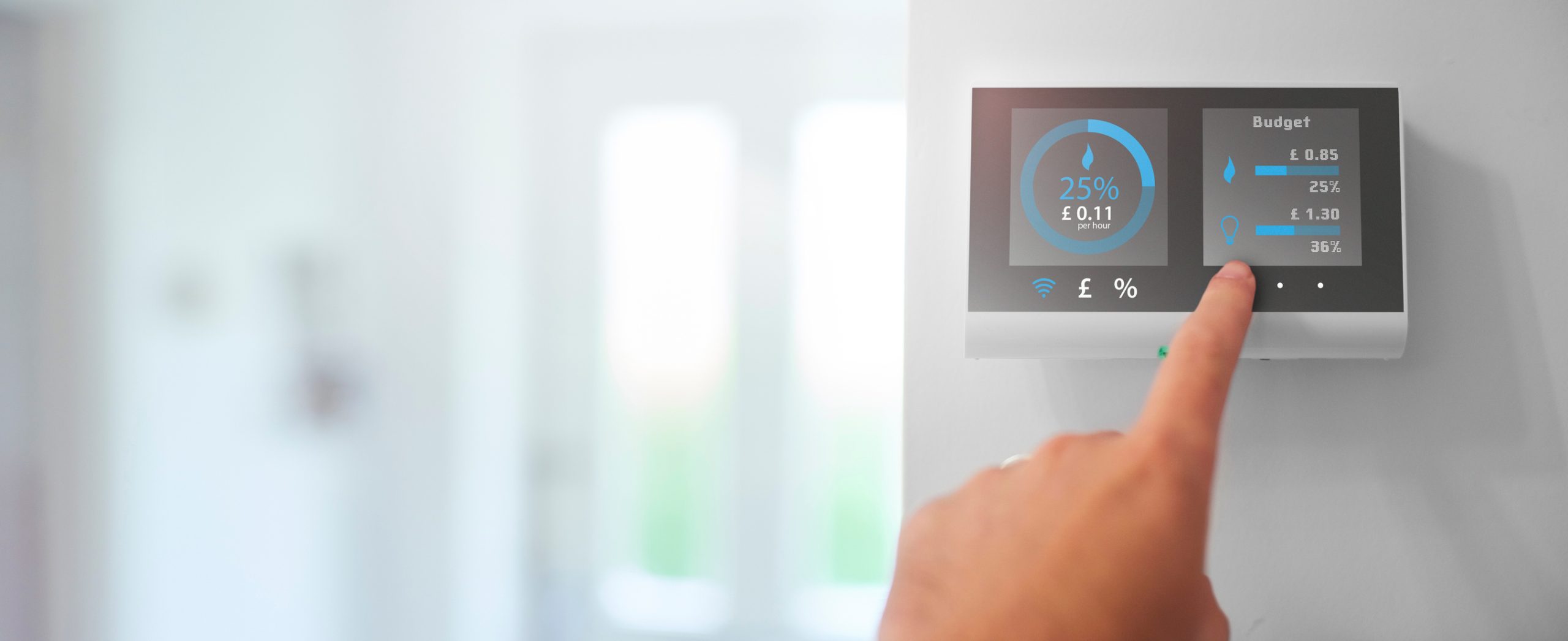 Berg Insight reports that the most significant growth in the APAC region is expected in India where a massive new government funding scheme has recently been introduced with the goal of achieving the installation of 250 million smart prepayment meters by 2026. Thailand, Indonesia and The Philippines, along with India, will be the fastest growing smart metering markets in Asia-Pacific during 2021–2027 with annual shipment volumes forecasted to grow at a CAGR in the range of 65–80%.[4]
Much of this high level of growth in India can be attributed to comprehensive and ongoing government support for smart meters. Analyst firm Hardman & Co[5] has reported that the Indian government’s commitment to achieving the replacement of 250 million meters remains emphatic and deployments of about 179 million meters have been sanctioned, of which approximately 35% are at various stages of the tendering/award process. Certainly, the total Indian program value is immense: The total budgeted outlay for the smart meter element is INR1.5tr, or around US$19.38bn.
Delivering on projects of this volume against a series of cost, supply and regulatory constraints is an enormous task so ways to control costs, streamline production and accelerate smart meters are needed in order to meet the government’s ambitious targets. What is needed are experienced vendors that can help smart meter makers ensure they are able to provide smart meters that not only serve the market’s needs today but also provide a flexible upgrade path so meter investments can be maximized in future.
 Make the right connections
An essential enabler of smart meters is connectivity, so decisions need to be made regarding which technologies to adopt. It’s important to consider that one connectivity technology is unlikely to be able to serve every meter in a country. There is simply too much diversity for a device that works for short range communications in densely populated cities to be an optimal solution when it is deployed for widely distributed rural populations. Smart meters must therefore have the flexibility to utilize connectivity methods according to each deployment situation.
Ideally, given the expected lifespan of a smart meter can run into decades, this should also provide the flexibility to change connectivity provider so the best signal at the most attractive cost can be selected, thereby reducing total cost and extending the deployment’s lifespan. This is also important for longevity because, as technologies such as 2G and 3G are retired, meter operators face greater choice from low power cellular options and alternatives.
Smart meter module selection is therefore a central consideration and can be seen to be at the heart of a deployment. However, module selection should not only be based on headline performance characteristics. Factors such as assurance of uninterrupted supply, assistance with device design, manufacturing and certification, and the ability to minimize the number of vendors required should also be taken into consideration.
The supply issue is important here. The world in general is recovering from the pandemic-triggered supply chain volatility which has constrained shipments and availability of many components so ensure you choose a vendor that can deliver in the volumes required. Allied to this point, India is pursuing a strategy of increasing domestic manufacture and therefore is looking to ensure technology deployed in India is also made in India. Quectel, for example, is set to commence manufacturing of its modules in India shortly and has the global presence and scale to ensure uninterrupted supply of components.
Local service, global scale
The large local team and office in India also means that Quectel is ready not only to sell and manufacture but also to support customers in their deployments. This delivers the advantage of local service with global scale and directly contributes to ensuring that large-scale deployments, such as this, are reliable and robust. Drawing on that experience helps to ensure the security of smart meters which are critical infrastructure and therefore demand high levels of security.
A final point is that scale drives efficiency and smart meter deployments need to be highly cost efficient since so many meters are deployed. One way to streamline development and achieve cost efficiency is to involve fewer vendors in a meter’s bill of materials. Quectel is able to assist in this by offering integrated antennas with modules from its comprehensive portfolio.
By selecting modules and antennas from the same vendor, meter providers can be assured first that the components will interact smoothly and second that there will be a single point of contact at that vendor. Quectel is also able to help with the device design and the integration of antennas and modules into meters, drawing on its vast experience of ultra-high volume devices in industries across the globe.
India’s commitment to smart meters is comprehensive, mass-scale and unwavering. To achieve the 250 million replacement unit dream, vendors that can manufacture in-country, enable connection flexibility, ensure mission critical security and drive efficiencies are pre-requisites for success. Quectel is ready to bring together this unique set of attributes and play its role in building a smarter metering industry.
[1]https://www.iea.org/reports/india-energy-outlook-2021/energy-in-india-today
[2]https://www.abiresearch.com/market-research/insight/7782038-enterprises-and-industries-need-embrace-te/
[3]https://www.counterpointresearch.com/insights_tag/smart-meter/
[4]https://www.berginsight.com/asia-pacific-is-on-its-way-to-reach-the-milestone-of-1-billion-smart-electricity-meters-in-2026
[5]https://cyanconnode.com/wp-content/uploads/2022/12/221109-Hardman-Cyanconnode-CYAN-Indian-smart-meter-programme-update.pdf