
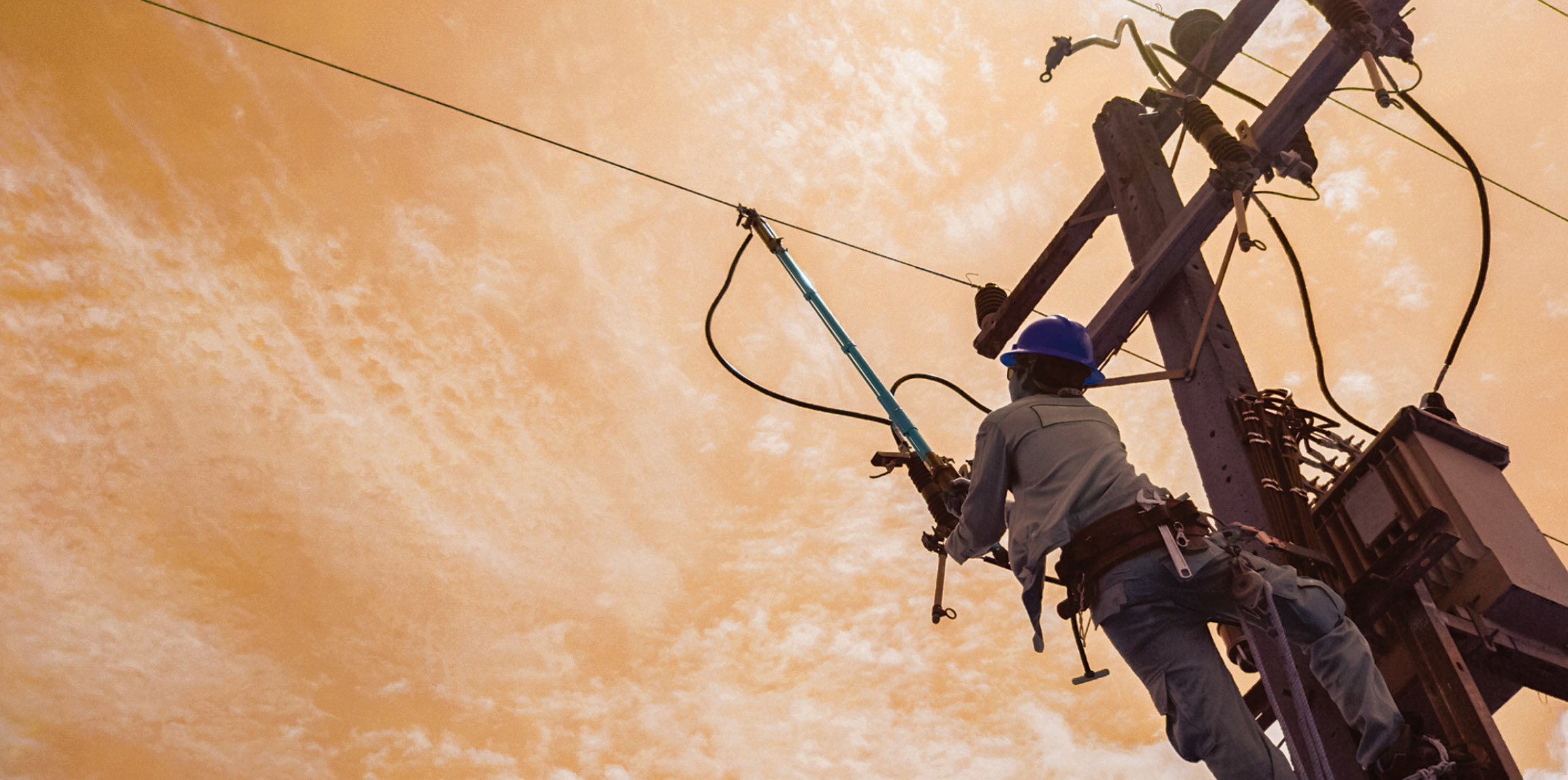
 The power sector is witnessing a growing number of distributed energy resources (DERs), which are changing the way energy is stored and produced. DER technologies, such as rooftop solar, battery energy storage systems (BESSs), microgrids and electric vehicle (EV) chargers, that interface with the electricity system at the distribution level – either directly connected to a distribution utility’s network or on an end-use customer’s premises behind the utility meter – are playing an important role in energy systems today. These technologies help in lowering the cost of power systems, avoiding emissions and cost of generation and transmission and increasing flexibility in managing the grid. However, if these emerging technologies are not properly integrated, they can cause frequent system operational violations, such as exceeding network voltage bounds and loading thresholds. This can present challenges to discoms and can complicate power system infrastructure planning, necessitating overhauls in planning and operational practices.
Integration of DERs
One of the emerging DERs is EV chargers. Discoms with large EV loads may encounter a variety of challenges, including network congestion, phase imbalance issues, the need for reactive power adjustment, overvoltage and undervoltage problems, and a rise in peak load. Furthermore, upgrading the distribution infrastructure may be necessary after installing high-power chargers.
The policy and regulatory framework must also take into account the effects of the additional EV load on the network, such as increased peak demand and grid congestion, and determine how EV charging infrastructure will be developed and integrated.
If utilities anticipate the load associated with charging EVs and proactively plan for it, they can not only accommodate the load at low costs but also reap numerous benefits for the entire system. EV charging can play a pivotal role in the integration of DERs through vehicle-to-grid technology, facilitating the conversion of EV batteries into storage units for surplus energy that can later be used during peak demand hours. This can ensure grid stability and seamless incorporation of renewable energy into the grid.
Another emerging DER is BESS, which enables the storing of energy from renewable sources such as solar and wind. Currently, lithium-ion batteries, used in mobile phones and EVs, are at the forefront in this market and considered to be the most economically viable solution. Other technologies such as compressed air energy storage, mechanical gravity energy storage and flow batteries are also being developed to improve energy accessibility. The Ministry of Power (MoP) recently approved the viability gap funding (VGF) scheme for producing 4,000 MWh of BESSs by 2030-31 through competitive bidding to reduce storage costs for discoms and consumers. The VGF for the development of BESSs involves an initial investment of Rs 94 billion and budgetary support of Rs 37.6 billion. The scheme aims to achieve a levellised cost of storage ranging between Rs 5.50 and Rs 6.60 per kWh, making stored renewable energy an attractive choice for regulating peak power demand throughout the country. Moreover, discoms will be given access to at least 85 per cent of the BESS project capacity to ensure that customers reap advantages from the scheme.
DERs such as microgrids, installed in proximity to consumers, aim to increase efficiency in power supply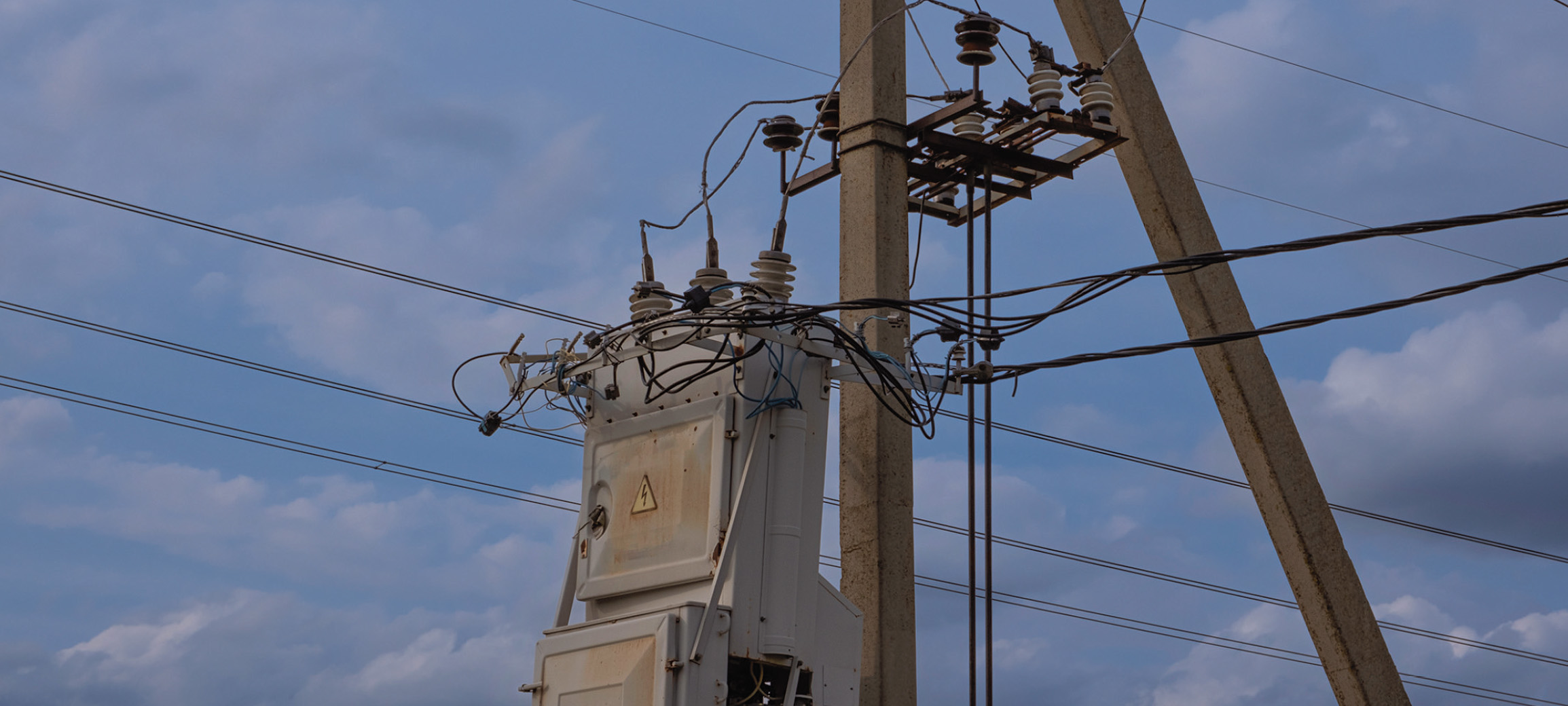 and integrate renewable energy into the grid. Systems capable of assessing local demands for power and heat relative to central supply, using load profiles, are required. With appropriate technical tools, closed, decentralised supplied zones that are typically connected to the public grid through defined interfaces can operate almost independently of the grid. Decentralised generation plants can also be combined and enhanced by running and monitoring activities through a central energy management system, creating what is known as a virtual power plant. A microgrid operating in the off-grid mode produces, stores and distributes electricity within a designated area or community, with a focus on utilising renewable energy sources to decrease the reliance on fossil fuels and mitigate environmental impact. When operating in the on-grid mode, the microgrid can communicate with the utility grid and export power if its generation exceeds the local demand.
Other DER technologies such as rooftop solar are seeing increasing adoption among residential and commercial consumers. This is driven by the need to replace diesel generators, particularly in cities with deteriorating air quality due to energy generation from fossil fuels, industrial emissions and high electricity costs. To promote the uptake of these systems, central financial assistance is being extended to support the installation of rooftop solar systems in the residential sector under the government’s Rooftop Solar Programme Phase II. It aims to deploy 4 GW of rooftop solar capacity in residential areas and has been extended till March 31, 2026. Out of the target capacity, the Ministry of New and Renewable Energy has assigned 3.57 GW capacity to various implementing agencies. In terms of the allocated capacity, a total of 2.65 GW has been deployed in the residential sector till now. Discoms have been assigned the role of implementing agencies for Phase II of the rooftop solar scheme.
Conclusion
A recent report by the MoP stated that distribution system operators can help increase operational and financial efficiency in the power distribution sector by addressing the challenges of seamless integration of DERs into the grid. This would otherwise be difficult for traditional discoms to achieve due to a lack of adequate technology for monitoring behind-the-meter load and DER output and executing control actions.
Going forward, changes in the power industry are expected to be driven by the growing number of DERs installed in the distribution network. Their integration into the grid will be crucial in shaping the future of the power sector.