
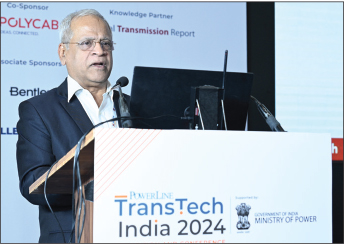
 At the “Future Forward for Transmission” session of TransTech 2024, S.K. Soonee, Former and Founding Chief Executive Officer of Power System Operation Corporation Limited (now Grid Controller of India Limited), underscored the importance of integrated transmission planning and the benefits of robust transmission in ensuring resource adequacy, and shared a vision for the future of transmission systems. Edited excerpts below…
Transmission planning
The future of power transmission must address the trilemma of affordability, decarbonisation and reliability. These factors are deeply interconnected. While keeping costs low is critical, the transition to renewable energy sources also requires high reliability. As consumers increasingly prioritise dependable energy, the need for resilient transmission systems grows, making it essential to balance these three priorities effectively. Sustainable, integrated planning is vital for power transmission. This approach must incorporate a long-term perspective that considers future interactions between new and
existing infrastructure.
The role of market signals in transmission planning is crucial as effective transmission pricing fosters competition among energy generators, helping lower costs for consumers. A well-structured electricity market promotes efficiency and innovation, making market dynamics an essential consideration in transmission design. Furthermore, innovative urgency indicators for transmission could guide stakeholders in prioritising critical projects, ensuring timely upgrades and system resilience.
Transparency and stakeholder engagement are also essential in the planning process. Consensus among stakeholders — government agencies, private companies and the public — is crucial for advancing infrastructure projects.
Transmission-related benefits
India needs a robust transmission network to harness its vast and diverse power resources effectively. The country’s power system spans a subcontinent-sized area with numerous intra-state systems. Efforts are ongoing to strengthen interstate and cross-border interconnections, enhancing the overall grid.
A strong transmission system ensures resource adequacy and electricity security nationwide, helping lower decarbonisation costs. Well-connected markets are vital for mitigating price shocks and maintaining a stable supply. Comprehensive assessments of resource adequacy are necessary, alongside strengthened governance and institutional frameworks to ensure capacity availability.
Moreover, a resilient transmission system can better withstand climate-induced extreme weather and meet rising electricity demand. Developing a resilience performance scoring matrix can support power system resilience and minimise potential damage.
The way forward for transmission planning
There is an urgent need for a transformative mindset in energy transmission, especially as renewable energy integration increases. Recognising that energy flows can be bidirectional is essential. As countries advance in decarbonisation, the potential for cross-border energy interconnections will grow, facilitating energy import/export.
A key component of effective energy grid management and planning is the institutional development of state transmission utilities. These entities should operate independently, with clearly defined roles and responsibilities to enable collaboration with the Central Transmission Utility and improve operational efficiency.
Modern planning tools are essential, supported by adequate data for informed decision-making. A renewed focus on grid resilience is necessary to ensure reliability amid disruptions. Monitoring regulatory compliance is critical, ensuring adherence to standards across entities. Harmonising regulations between the central and state governments will also help create a cohesive framework for the energy sector.
Meanwhile, the data centre market is expanding rapidly, driven by regulatory initiatives emphasising data localisation, privacy and security. Data centre capacity is projected to grow at over 50per cent CAGR, leading to substantial increases in power demand, which in turn necessitate increased investments in generation, transmission, and distribution. Given that power constitutes about 30 per cent of total capital expenditure, meeting the energy needs of this sector through effective transmission planning is crucial for sustainable growth.
Click to read the TransTech Special Section from the October issue.