
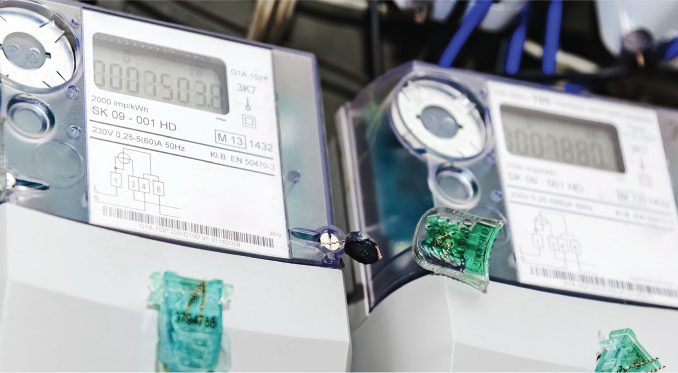
Smart meters are responsible for collecting and transmitting vast amounts of data, including energy usage patterns, device statuses, locations and customer identities. They are a part of the advanced metering infrastructure. However, this connectivity also makes them attractive targets for malicious actors seeking to exploit
their vulnerabilities.
A smart meter represents a single point of failure from a targeting perspective. Once compromised due to cyberattacks, it can be manipulated to inject false consumption data into utility systems or take control of home appliances. Thus, it also becomes a threat to data privacy. Attackers can exploit them in two main ways: physical attacks, which involve tampering with the device’s hardware; and cyberattacks,
which exploit weaknesses in communication protocols.
Risks to smart meter security
The cybersecurity risks associated with smart metering systems are multifaceted. The integration of smart meters with the internet and the power grid exposes them to various threats. Vulnerabilities such as weak passwords, outdated firmware and unsecured communication channels can be exploited by hackers. Once access is gained, smart meters can be infected with malware, ransomware or botnets, leading to potential damage, disruption or denial of service.
The consequences of a cyberattack on smart metering systems can be catastrophic. If one component is compromised, it can have cascading effects throughout the interconnected energy infrastructure, jeopardising stability, reliability and safety. Given that smart metering systems depend on seamless coordination among various stakeholders, it is critical to maintain their integrity.
Solutions for enhancing cybersecurity
To mitigate the risks associated with smart meters, cybersecurity solutions to protect the system and ensure data privacy are of the utmost importance. One key approach is data encryption and authentication. By implementing robust encryption techniques and verifying the identities of data senders and receivers through digital signatures or certificates, utilities can safeguard data integrity and prevent unauthorised access.
In addition, employing robust access control mechanisms such as role-based access control or attribute-based access control can enhance security. These systems enforce granular control over who can access specific resources and perform certain actions within the network. Device hardening is another vital strategy. This involves applying patches, updates and security measures such as firewalls and antivirus software to reduce vulnerabilities. Regular device monitoring through sensors and alerts can help in detecting and responding to anomalies, thereby enhancing
overall security.
Additionally, implementing a robust system backup and contingency plan can significantly improve resilience and recovery from cyberattacks. By maintaining backups and preparing contingency measures, smart metering systems can minimise the impact of a breach and ensure swift recovery. To further enhance the security of smart meters, specific measures should be adopted. These include data encryption, intrusion detection, limiting the traffic rate and network packet filtering. The ability to filter incoming network traffic to block suspicious data packets, and prevent overload by rate limiting the traffic targeting smart meters can further help with security. Contingency plans and backups can further safeguard the data.
Cybersecurity of IT and OT systems
Cybersecurity is the need of the hour to prevent attacks and ensure data privacy. Operational technology (OT) and information technology (IT) are two interconnected processes through which this can take place. The distinction between IT networks and OT networks is crucial in modern organisations, particularly large ones that manage vast amounts of data. Securing such extensive data is a challenge for both networks, though the challenges differ significantly between the two.
In the context of IT networks, the infrastructure typically involves computers and open-source software, which are well understood and more accessible for security teams to manage. On the other hand, OT networks, which often control industrial processes and critical systems, pose unique challenges because the devices used are typically vendor-controlled, making it harder to implement custom security measures. Securing OT networks, therefore, is inherently more complex, and artificial intelligence (AI) is poised to play an increasingly important role in analysing and protecting the data within these environments. A robust infrastructure is needed to facilitate this, especially as organisations seek to leverage large language models for secure data analysis and pattern generation.
While IT security has matured with tools such as firewalls, servers and patch management, the security of OT devices is still evolving. OT environments, often controlled by large organisations or original equipment manufacturers, are starting to adopt third-party security tools. However, the acceptability of third-party tools in OT is still growing, and upcoming years may bring greater openness in this regard.
Threat analysis
Penetration testing is a key part of assessing an organisation’s security posture. By testing the resilience of applications and infrastructure, organisations can identify vulnerabilities and take steps to improve security. The framework issued by the Central Electricity Authority (CEA) in October 2023 outlines the basic steps required for organisations to enhance their cybersecurity practices. It also provides guidelines for strengthening the security posture of organisations.
Monitoring devices and maintaining logs are critical components of cybersecurity. There are thresholds for log length and data retention that should be reviewed regularly to detect anomalies.
Role of vendors
Vendors play a crucial role in the security of organisations, especially in maintaining and sharing vulnerability and patch data for devices. The CEA facilitates collaboration between organisations and vendors, ensuring that any vulnerable data on devices is shared transparently. For critical or consumer data, keeping information off-cloud is often preferred for enhancing security. The sharing of patch and vulnerability data by vendors is essential to maintaining a secure environment. OT-specific security operations centres (SOCs) should focus on monitoring logs, ensuring visibility of assets and maintaining a detailed asset inventory. This inventory should include information such as the asset’s make, model, IT management, firmware details and last patch date. The CEA also publishes certain vulnerabilities on its website, allowing organisations to patch their systems proactively.
In OT networks, it is crucial to maintain technical controls, such as by monitoring logs and ensuring visibility across all assets. This includes tracking vulnerabilities and ensuring regular updates. As OT devices become more integrated into broader IT infrastructures, these controls will help secure the entire network, enabling organisations to stay resilient against evolving threats.
Prevention
To effectively secure their networks and mitigate these risks, organisations must classify their data based on its importance and determine what is critical to protect. This classification should guide compliance efforts and security policies. Ongoing monitoring is essential to prevent breaches, and organisations should have robust incident response plans in place.
The guidelines published by the Computer Emergency Response Team – India (CERT-IN) provide a comprehensive framework for securing government and other critical infrastructures. Although these guidelines help establish a strong security posture, incidents still occur, emphasising the need for a proactive incident response strategy. CERT-IN provides fortnightly reports for the power sector, including the monitoring of vulnerabilities across 36 generation companies and eight distribution companies in India. These reports highlight companies with the highest risks and the most open vulnerabilities.
AI and machine learning play a vital role in modern cybersecurity by enabling advanced threat analysis, forensic investigation and deep packet inspection. These technologies help identify and categorise assets, prioritise them based on risk and provide detailed vulnerability assessments. AI enhances threat detection capabilities, providing faster and more accurate responses to potential cyber incidents.
To establish a strong cybersecurity framework, organisations should begin by conducting a gap analysis and risk assessment. This helps prioritise the most critical issues and address them in order of importance. Regular audits should be performed to ensure compliance with cybersecurity practices. Organisations should also monitor their infrastructure through an SOC and apply encryption to protect data, whether it is in transit or at rest.
Conclusion
Securing both IT and OT networks requires a multi faceted approach, combining regulatory compliance, monitoring, incident response and continuous training. With the increasing role of AI and advanced data protection laws, organisations must stay ahead of evolving security challenges to protect their data and infrastructure effectively. Further, as utility companies transition to smart grids, it is crucial to consider various security and privacy aspects. Protecting the integrity of devices installed at consumer premises, authenticating communication parties and safeguarding data are paramount.
Based on inputs from a panel discussion on cybersecurity and data privacy at Power Line’s recent conference on Metering in India.