
In a landmark decision, the transition to a five-minute scheduling, metering and settlement regime was approved in the 15th National Power Committee (NPC) meeting. This significant move is set to modernise India’s power sector, addressing operational inefficiencies and aligning the grid to handle the increasing penetration of renewable energy. By shifting from the current 15-minute intervals to a five-minute framework, this initiative will improve grid flexibility, optimise resource utilisation and enhance overall reliability, paving the way for a smarter and greener electricity market.
The need for a five-minute regime
The 15-minute scheduling and settlement process has been the norm in India’s power sector, but its limitations are becoming increasingly evident in the face of a rapidly evolving energy landscape. The shift to five-minute intervals is expected to address challenges such as forecasting errors, load ramp management and resource despatch inefficiencies. By offering more granular insights and faster adjustments, this new regime is designed to meet the demands of an energy system increasingly reliant on solar and wind power, which are inherently variable.
This evolution is particularly critical as India pursues its clean energy targets, including the integration of 500 GW of renewable energy capacity by 2030. A shorter scheduling cycle will provide the agility needed to handle renewable energy fluctuations effectively, ensuring a more reliable and efficient grid.
In the current energy scenario, where solar power constitutes a significant share of the installed capacity and is projected to account for approximately 30 per cent by 2030, the adoption of a five-minute time block becomes crucial for market design and grid management. Given the limited duration of solar generation during the day and its relatively low capacity utilisation factor, more granular time intervals will provide critical insights for effective resource management. This smaller window will enable grid operators to address issues related to the intermittency of solar power and ensure reserve adequacy, thereby enhancing overall grid reliability and efficiency.
Nationwide deployment of advanced meters
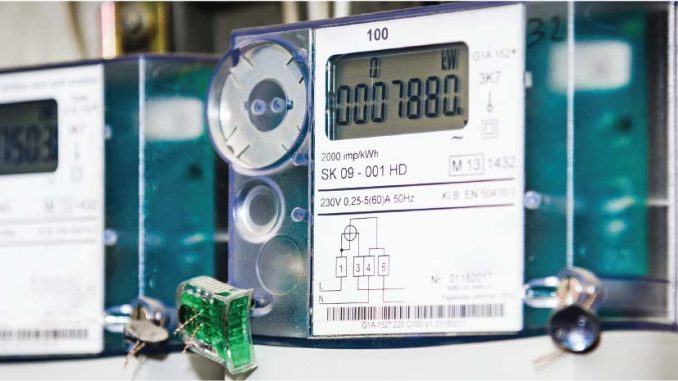
At the core of this initiative lies the nationwide deployment of advanced interface energy meters (IEMs), which will play a pivotal role in modernising India’s power sector. These advanced meters are equipped with state-of-the-art automatic meter reading (AMR) and meter data processing (MDP) systems, enabling the real-time collection, transmission and processing of energy data. This technology marks a significant step towards the seamless integration of a five-minute metering and scheduling regime, aligning with global standards of energy management.
The deployment of IEMs will enhance grid operations by providing real-time, accurate data on energy consumption, generation and system performance across the entire transmission network. This continuous flow of precise data will be invaluable for operators, enabling informed decision-making at all levels of the grid. With granular visibility into energy flows and usage patterns, system operators can better manage load despatch, forecast energy requirements and swiftly respond to fluctuations in demand or generation, thereby improving grid stability
and efficiency.
The implementation of these advanced meters will be carried out in a phased manner, with an ambitious target set for full nationwide deployment by December 31, 2027. This long-term vision is designed to ensure a gradual yet comprehensive upgrade of India’s energy metering infrastructure, allowing for thorough testing, adaptation and scaling of the technology. During the transition, priority will be given to regions with the highest energy demand and grid complexity, ensuring that critical areas benefit from the new system as early as possible.
Beyond enhancing operational control, these upgraded meters will also significantly improve the accuracy of energy accounting and settlement processes. By providing real-time data, IEMs will reduce the likelihood of discrepancies or delays in meter readings, leading to more accurate billing, improved energy reconciliation and faster dispute resolution. The improved accuracy in data handling will streamline the overall energy transaction process and ensure fairer and more transparent billing practices for all stakeholders involved – ranging from power producers
to consumers.
In addition to fostering better energy management, advanced IEMs will support the broader goals of grid modernisation and the transition to a smarter, more flexible energy system. As India moves towards greater integration of renewable energy sources, such as solar and wind, these meters will provide the detailed data necessary for balancing intermittent energy production and demand. This data will also be crucial for the accurate forecasting of renewable generation, enabling more effective use of these resources while maintaining grid reliability.
Road map for implementation
A critical component of this transition is the development of a comprehensive technology road map. Central Transmission Utility of India Limited (CTUIL) will lead this effort, consulting with key stakeholders such as Grid Controller of India Limited (GRID-India), regional power committees (RPCs) and the NPC.
The road map will detail the necessary hardware and software upgrades, regulatory adaptations and phased implementation strategy. This will ensure a smooth and coordinated roll-out across the country, starting with interstate systems and gradually extending to intra-state operations. By addressing challenges such as technical specifications, system compatibility and regulatory alignment, the road map will serve as the foundation for this ambitious transformation.
Real-time grid monitoring with instantaneous data
One of the most transformative aspects of the five-minute regime is the availability of one-minute instantaneous meter data at state load despatch centres (SLDCs). This will enable grid operators to make faster, more informed decisions, particularly in managing the variability of renewable energy generation.
Enhanced data availability will improve forecasting accuracy, reduce the need for reserves, and minimise imbalances, contributing to a more efficient and reliable grid. The ability to access instantaneous data will also strengthen grid resilience, enabling faster responses to unexpected changes in demand
or generation.
Phased roll-out strategy
The implementation will occur in two key phases to ensure smooth adoption:
Phase 1: Focus on interstate systems, upgrading meters and software to handle five-minute intervals.
Phase 2: Extend the regime to intra-state systems, ensuring end-to-end compatibility and coordination.
This phased approach allows for gradual adaptation across various regions, reducing operational disruptions and ensuring that all stakeholders are prepared for the new regime.
Financial and regulatory support
The transition to a five-minute regime will also bring significant financial and regulatory changes. The project will be supported through the Power System Development Fund, reducing the financial burden on utilities and encouraging widespread adoption.
Collaboration between CTUIL, GRID-India, RPCs and the Central Electricity Regulatory Commission (CERC) will be essential to ensure that the necessary policy adjustments are made. Regulatory frameworks will be updated to accommodate the new scheduling and metering requirements, ensuring a smooth transition for all stakeholders.
Benefits of the five-minute regime
The transition to a five-minute scheduling, metering and settlement regime is not merely an operational adjustment but a transformative advancement for India’s power sector. It addresses key inefficiencies in the current system while paving the way for a future-ready energy infrastructure that can seamlessly integrate renewable energy sources and smart grid technologies.
One of the most significant benefits is the improvement in forecasting accuracy and renewable energy integration. By reducing the time interval for metering and scheduling from 15 minutes to five minutes, grid operators can better predict and respond to fluctuations in energy generation, particularly from variable sources like solar and wind power. This shorter interval enhances the grid’s ability to accommodate renewables, supporting India’s ambitious clean energy targets for 2030.
The new regime will also contribute to enhanced grid stability. With faster scheduling and real-time adjustments, grid reliability will improve, reducing instances of stress and power interruptions. This stability is crucial for maintaining a consistent power supply, especially as renewable energy constitutes a growing share of India’s energy mix, with its inherent variability posing challenges to grid operations.
Another significant advantage is the potential for market efficiency and cost optimisation. By streamlining resource despatch and minimising energy imbalances, the five-minute regime will reduce the need for reserves and improve the overall efficiency of power market operations. These changes will lower operational costs for utilities, which can translate into reduced tariffs for consumers. The improved precision in energy management will also optimise resource allocation, ensuring the grid operates at maximum efficiency.
This transition will act as a catalyst for accelerated smart grid development. The deployment of advanced metering systems, such as IEM with AMR and MDP, lays the foundation for a robust smart grid ecosystem. This ecosystem will enable the integration of innovative technologies such as demand response programmes, energy storage solutions and electric vehicle charging networks. Together, these advancements will revolutionise how energy is produced, distributed and consumed, ensuring a future-proof and sustainable power system.
Recommendation
Formation of taskforces: According to the Ministry of Power’s report titled “Development of the Electricity Market in India”, two task forces should be established to oversee the implementation of the road map for the transition to five-minute-based metering, scheduling and despatch:
A CERC-led task force focusing on regulatory aspects
A GRID-India-led task force to address metering, scheduling, accounting, forecasting and communication-related aspects.
The Central Electricity Authority (CEA) would be responsible for coordinating the activities of both task forces.
Amendments to regulations by the CERC: The CERC should amend all relevant regulations, including those related to tariffs, open access, demand-side management, ancillary services and the Indian Electricity Grid Code, to facilitate the implementation of the five-minute metering data schedule, despatch, metering, accounting and settlement. The CERC should inform the CEA about the expected timeline for these regulatory amendments.
Amendments to metering regulations by the CEA: The CEA may need to amend its metering regulations to accommodate the recording of five-minute interval meter data, if required.
Pre-feasibility check for IEM installation: A pre-feasibility check should be conducted at all sites designated for the installation of IEMs by CTUIL/Power Grid Corporation of India Limited (Powergrid). This check will assess the availability of sufficient space and identify any additional requirements for the placement of IEMs in the panels.
Implementation of the five-minute metering scheme: CTUIL, through Powergrid, should implement a region-wise five-minute metering scheme on a Pan-India basis at the interstate transmission system (ISTS) level, after obtaining approval from the RPCs/NCT. The implementation will follow the approved technical specifications for the new IEMs with AMR and MDP systems.
Shutdown approvals: The implementing entity must obtain all necessary shutdown approvals for the installation of metering infrastructure from the operation coordination committee of the respective RPCs in advance.
Software/Hardware updates: Necessary software and hardware updates for the five-minute metering regime – including those for forecasting, scheduling, despatch, metering, accounting and settlement – must be undertaken by all stakeholders at the ISTS level.
Adoption at the intra-state level: To maintain consistency across the country, SLDCs, state transmission utilities and state regulatory commissions should adopt similar approaches at the intra-state level.
Challenges and the way forward
While opportunities are immense, the transition is not without challenges. Upgrading hardware and software across a vast and diverse power system will require meticulous planning and coordination among multiple stakeholders. Ensuring regulatory alignment at the national, regional and state levels will also be critical. Additionally, capacity building will be essential to train personnel in managing and operating the new system. By implementing a phased roll-out and providing financial and regulatory support, these challenges can be effectively mitigated.
Overall, the NPC’s decision to approve the five-minute regime underscores India’s commitment to modernising its power sector. By embracing advanced technologies and aligning operational frameworks with global best practices, the country is setting the stage for a cleaner, more efficient, and renewable-ready energy future.
With full implementation expected by 2027, this transformative initiative will ensure that India’s power grid is not only prepared for current demands but also equipped to navigate the complexities of a renewable-driven energy landscape. The transition to a five-minute scheduling, metering and settlement regime is a bold step forward, signalling a new era of innovation and sustainability in India’s power sector.