

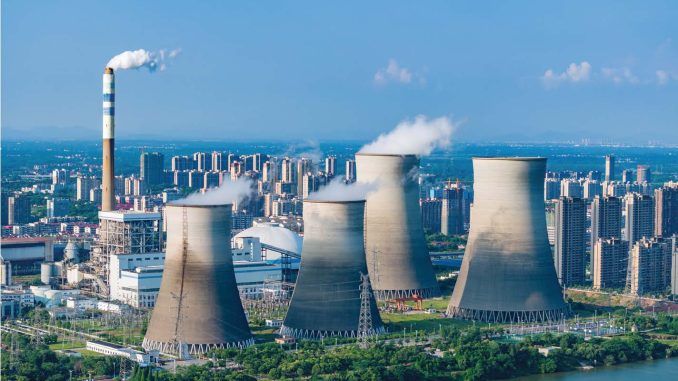
Renovation and modernisation (R&M) of power plants is an effective solution to address the challenges of ageing infrastructure, declining efficiency, environmental non-compliance and increasing operational costs, which adversely impact power plant performance. R&M measures revive ageing assets through targeted upgrades, life extension measures and environmental enhancements, enabling efficient energy generation. Most importantly, R&M helps improve plant performance and extend operational life, resulting in additional power generation without the need to build new plants.
Need for R&M in power plants
One of the primary drivers behind R&M is the ageing infrastructure of existing power plants. Many power plants have been operational for 25-30 years. Over time, mechanical wear, technology obsolescence and component degradation lead to frequent breakdowns and operational inefficiencies. R&M offers a practical and cost-effective way to ensure that these plants can continue operating with improved performance.
Older thermal power plants (TPPs) operate at relatively low thermal efficiency compared to new plants, which also leads to higher fuel consumption and operating costs. Through R&M, key components such as boilers, turbines and auxiliary systems can be upgraded or replaced to enhance the heat rate, reduce losses and improve overall efficiency.
From an economic perspective, R&M is more cost-effective than building new power plants. The capital investment required is significantly lower, and the implementation timeline is much shorter. Moreover, it can avoid the lengthy regulatory processes associated with new projects, including land acquisition and environmental clearances. This makes R&M an attractive option, especially in regions where financial or policy constraints prevent new installations. R&M allows for capacity addition through life extension. Although the installed capacity of an older plant may remain the same, performance improvements lead to increased availability, higher plant load factor and greater power generation. This plays a crucial role in strengthening energy security and reducing dependence on imported fuels.
With the tightening of emission norms, power plant developers are increasingly adopting R&M solutions to ensure compliance. Many old plants were constructed at a time when environmental norms were either lenient or non-existent. With stricter emissions norms for SOX, NOX, particulate matter and CO2, older plants often fail to meet the required standards. R&M provides an opportunity to integrate pollution control technologies such as flue gas desulphurisation (FGD), electrostatic precipitators (ESPs) and low NOX burners to make plants environmentally compliant.
Hydropower plants, known for their long operational life and low environmental impact, also face challenges over time, creating the need for R&M. Many hydropower plants have been operational for several decades, with their mechanical, electrical and civil components often suffering from wear and tear, outdated technology and declining efficiency. In addition, changing water flow patterns due to climate change and siltation issues can impact performance. R&M in hydropower plants is crucial to restore and enhance generation capacity, improve safety standards and ensure compliance with modern grid requirements. Upgrading these plants not only extends their lifespan but also avoids the environmental and financial costs associated with building new infrastructure.
Key components and scope of R&M
The process of R&M begins with a comprehensive assessment and feasibility study. This phase involves detailed diagnostics to evaluate the condition of critical components, energy efficiency and financial viability of proposed upgrades. Non-destructive testing, thermographic analysis and system performance monitoring are some of the tools used during this phase.
A major aspect of R&M is life extension (LE). Through targeted interventions such as turbine reblading, boiler refurbishment and modernisation of electrical and instrumentation systems, the operational life of a plant can be extended by 10-15 years. This enables utilities to continue utilising existing infrastructure while benefiting from enhanced efficiency and reliability.
Technological upgrades are another core element of R&M. These include the replacement of obsolete control systems with distributed control systems, the integration of smart sensors for real-time monitoring and the adoption of advanced materials for high-temperature applications, which help in optimising operations and reducing unplanned downtimes. These technological upgrades may also involve environmental measures to meet current pollution norms. These include installing FGD units to control sulphur emissions, upgrading ESPs or replacing them with bag filters for particulate control, and modernising ash handling systems to improve sustainability and reduce environmental hazards.
R&M also focuses on operational optimisation. Improvements in the turbine cycle, reduction in auxiliary power consumption, and the implementation of digital tools for predictive maintenance contribute to higher operational efficiency and lower generation costs. These measures collectively help maintain competitiveness and reliability in power generation.
The Central Electricity Authority has outlined three viable business models for implementing R&M and LE projects in power plants. The first is the conventional competitive bidding model, where power utilities carry out the R&M work, including turbine and boiler modifications, by inviting bids from suppliers and contractors, in compliance with government guidelines. The second is a joint venture model, in which a power utility partners with a private or public company, or even a financial institution, to form a new entity responsible for operating, maintaining and upgrading the power station. The third is the service model, which allows the utility to avoid upfront capital investment. Instead, a service provider implements the R&M/LE project and is paid from the actual savings achieved over time. This model is typically based on a performance contract, with payments linked to measurable improvements, offering flexible and innovative financing solutions.
Challenges and the way forward
One of the main challenges in the R&M space is limited funding for large-scale refurbishment projects. Securing loans or budgetary support often becomes a bottleneck. Another issue is the downtime required during the renovation process. Shutting down a unit for retrofitting can disrupt supply, particularly in regions already facing power shortages. This calls for meticulous planning and scheduling to minimise the impact.
Another challenge is technical complexity. Integrating modern technology into older systems requires expertise and careful calibration. In some cases, design documentation for older units is incomplete, making retrofits more difficult. Further, there is often a shortage of skilled manpower for R&M tasks. Specialised knowledge in condition assessment, engineering design and modern instrumentation is essential but not always readily available within traditional utility organisations.
To ensure the effective implementation of R&M and LE programmes, regulatory guidelines should emphasise the use of advanced technologies aimed at improving efficiency, controlling emissions and enabling flexible operations. These guidelines must prioritise the upgrade of ageing, high-capacity units, and incorporate techno-economic analyses to assess the feasibility of LE measures. The process should be streamlined to reduce delays and costs.
Alignment at the state level is also essential, with guidelines tailored to regional needs. In addition, they should include clear capital expenditure provisions and encourage private sector participation. To support these initiatives, it is essential to ensure a stable supply of materials, address challenges such as rising coal costs and manage operational complexity. Furthermore, the guidelines should mandate environmental upgrades such as biomass co-firing and water conservation measures to align with sustainability objectives and extend the operational life of TPPs.
Overall, R&M solutions transform ageing power plants to meet growing energy demands and comply with stringent environmental norms. Through efficiency improvements, capacity enhancements and advanced technologies, R&M allows older plants to remain viable. Looking ahead, the future of R&M lies in digitalisation and green transformation. The advent of Industry 4.0 technologies such as artificial intelligence, internet of things and machine learning has enabled predictive maintenance, real-time diagnostics and automated control systems. These technologies significantly improve the precision and effectiveness of R&M activities. A well-planned and collaborative approach, supported by forward-looking policies and innovative business models, will be key to fully realising the potential of R&M.