
 Strategic Conferences
OSOWOG market mechanisms for high-renewable energy integration and global energy integration
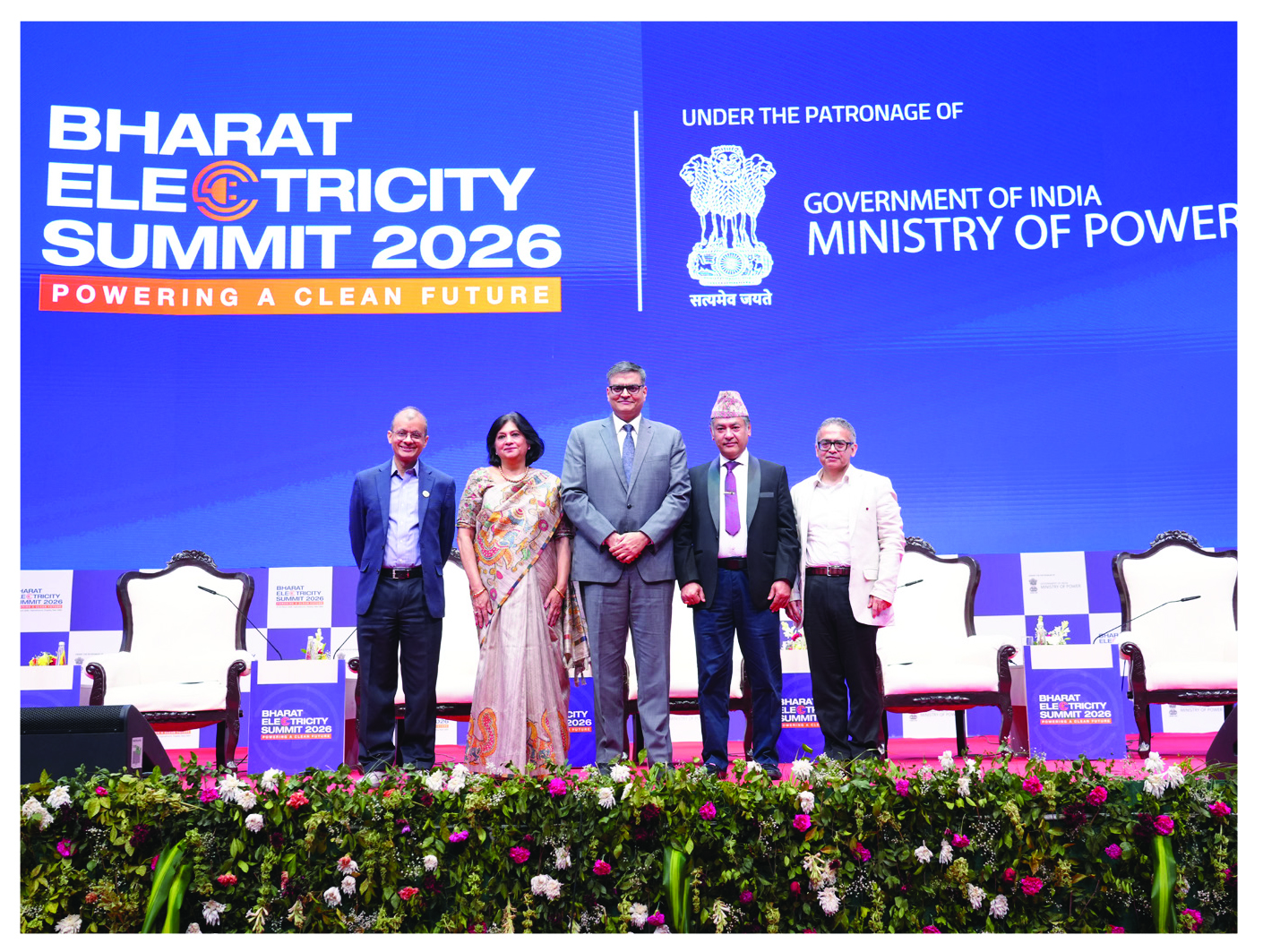
At the session on “OSOWOG market mechanisms for high-renewable energy integration and global energy integration”, moderated by Dr Satish Kumar, President and Executive Director, Alliance for an Energy Efficient Economy, the discussion focused on the practical design challenges that will determine the success of the regional grid integration. The panel brought together Vibha Dhawan, Director General, The Energy and Resources Institute; Ashish Khanna, Director General, International Solar Alliance; Hitendra Dev Shakya, Managing Director, Nepal Electricity Authority; and Dr Puneet Chitkara, Senior Vice-President (Strategy), India Energy Exchange. Edited excerpts…
Vibha Dhawan noted that solar power is increasingly becoming central to decentralised energy systems. She highlighted the growing role of village-level solar applications, including irrigation and local storage, in transforming rural energy and water use. However, she emphasised that storage economics remain a challenge, underscoring the importance of strengthening transmission networks. Efficient power transfer, she noted, can reduce the need for each region to build standalone storage capacity.
Ashish Khanna observed that the vision of One Sun, One World, One Grid is rooted in leveraging the geographic diversity of solar resources across time zones. As demand peaks in one region, another may still have access to daylight, creating opportunities for cross-border electricity trade. He cited emerging interconnection concepts as evidence that distance is becoming less of a constraint. In such a framework, power can flow from regions with lower generation costs to those with higher demand, thereby easing reliance on storage. He emphasised that the challenge now lies in aligning institutional, regulatory and technical frameworks, including grid stability protocols, market rules and standards harmonisation.
Hitendra Dev Shakya highlighted the need to move beyond energy-only markets to include mechanisms for reserve and transmission capacity. He noted that even with significant renewable procurement, system reliability depends on maintaining adequate reserves. These reserves, whether in the form of conventional backup or battery storage, must be appropriately valued within market structures. He also pointed to the persistent challenge of transmission constraints across South Asia, arguing that a more integrated regional market could enable better utilisation of resources across countries such as India, Nepal, Bhutan and Bangladesh.
Puneet Chitkara extended the discussion to power market design, noting that existing market structures continue to be influenced by marginal cost principles, even as a growing share of generation comes from near-zero marginal cost renewable sources. This raises questions about whether markets should evolve towards valuing flexibility and reserves as primary products. In such a system, the focus of procurement would shift from energy alone to the broader capability of maintaining grid stability. He added that the role of aggregators and demand-side participation is gaining recognition in India, and that market innovations should be evaluated in the context of domestic requirements rather than international precedents.
Next-generation Transmission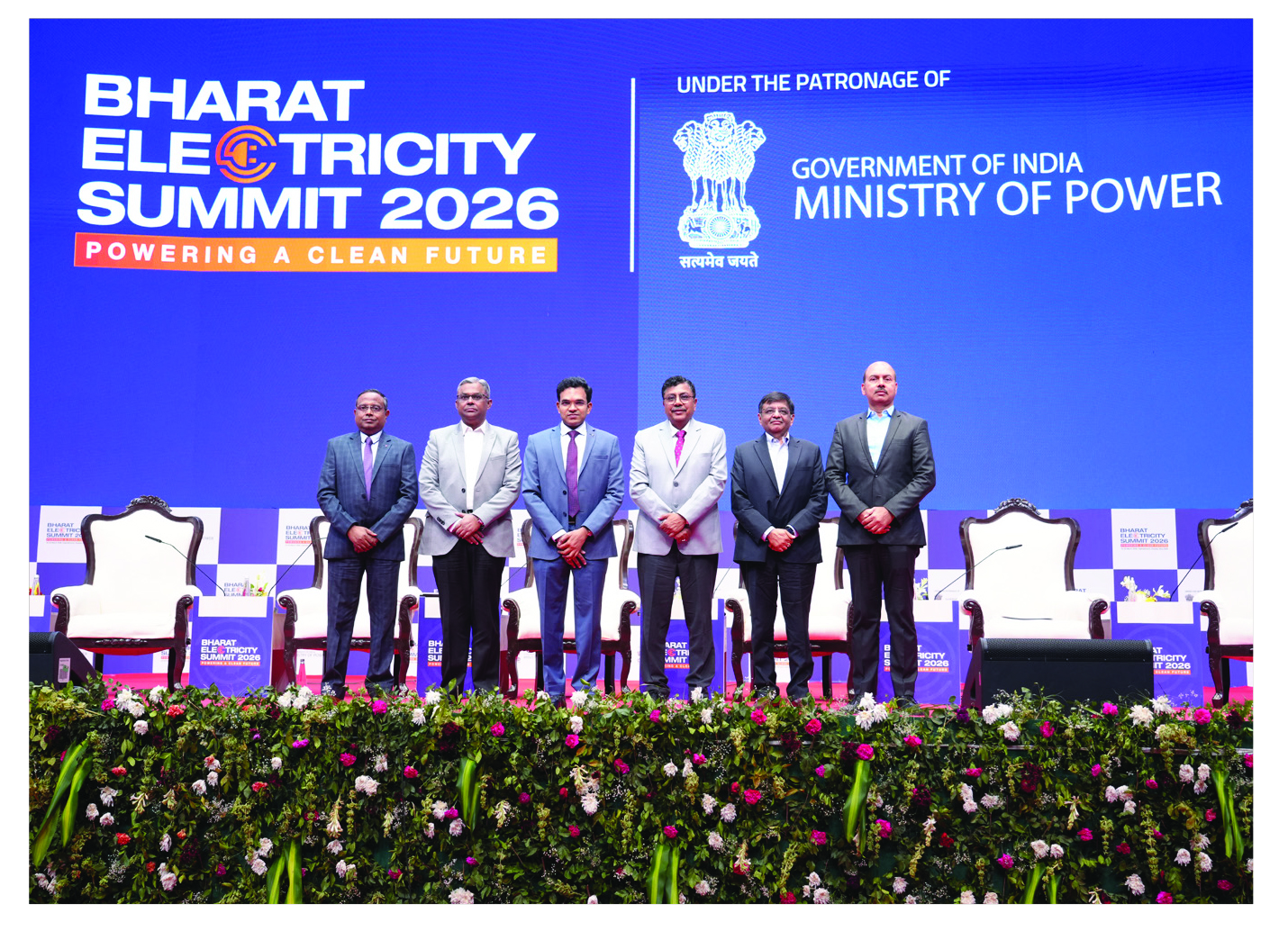
Infrastructure and Operations: Real-time optimisation, automation and system-strength management
The strategic session on “Next-generation Transmission Infrastructure and Operations: Real-time optimisation, automation and system-strength management” brought together key sector leaders to deliberate on evolving grid requirements amid rising renewable integration and system complexity. Moderated by Dr Subir Sen, Director (Technical), Tripura State Electricity Corporation Limited, the session featured insights from Samir Chandra Saxena, Chairman and Managing Director (MD), GRID-India; Naveen Srivastava, Director (Operations), Power Grid Corporation of India Limited (POWERGRID); Dr Ram Prasath Manohar, IAS, MD, Karnataka Power Transmission Corporation Limited (KPTCL); Sandeep Zanzaria, Chief Executive Officer, GE Vernova T&D India Limited; and Akilur Rahman, Chief Technology Officer, India and Market Innovation Lead (South Asia), Hitachi Energy.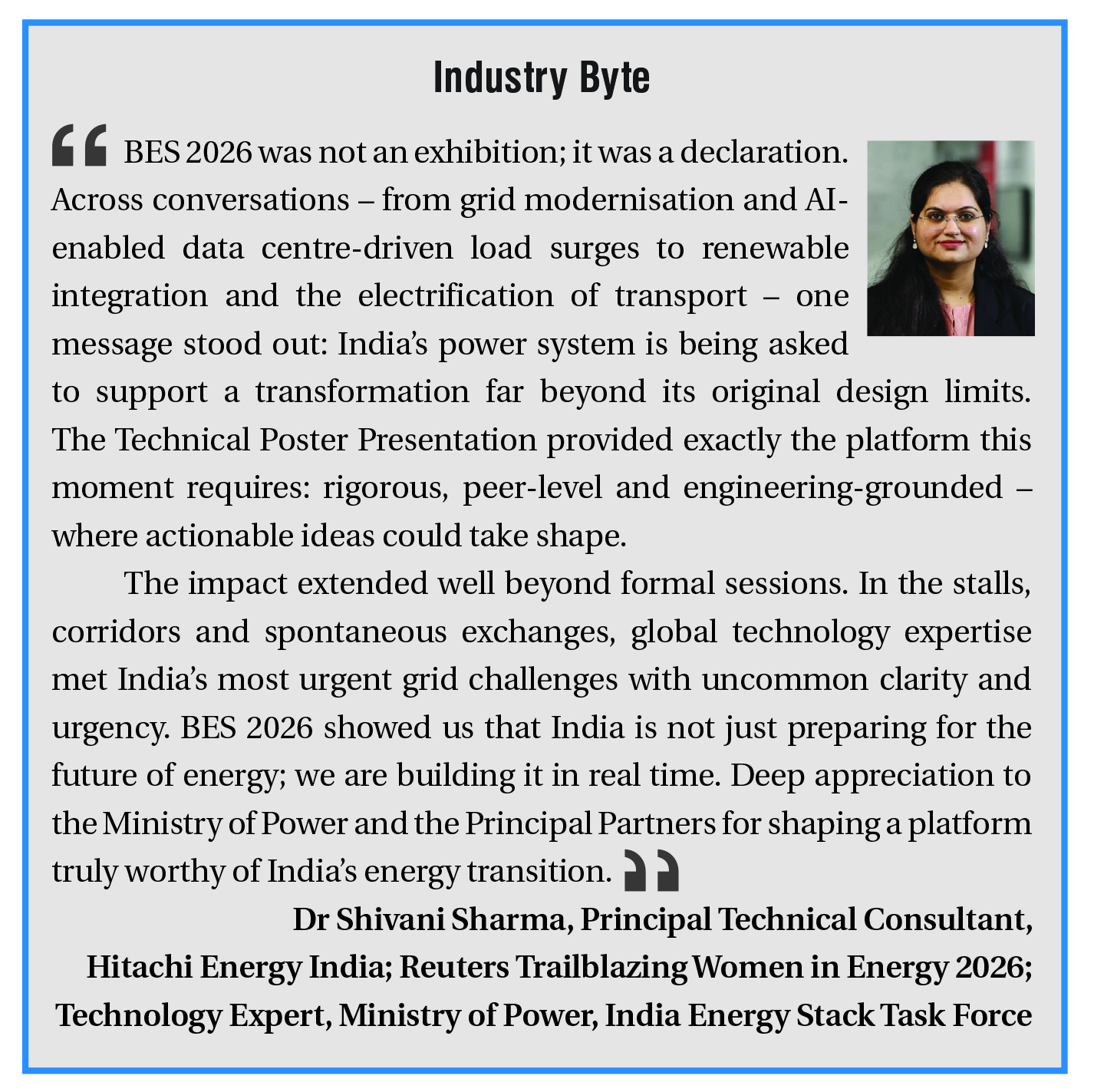
Samir Chandra Saxena noted that the traditional power system was designed with generation resources concentrated in the central and eastern regions, while major load centres were located in the northern, western and southern parts of the country. Consequently, transmission systems were planned primarily for the unidirectional evacuation of power. However, with the rapid addition of renewable energy resources, particularly in the western and southern regions, power flow patterns have undergone a significant transformation, now exhibiting dynamic and multi-directional power flow patterns. During solar hours, power is exported from renewable-rich regions such as Rajasthan to deficit regions across the grid, while the flow reverses during evening hours.
He highlighted that congestion, which was historically observed in importing regions, is now increasingly being witnessed in export conditions as well, particularly during high solar and wind generation periods. From an operational perspective, transfer capability is asymmetric, with significantly lower capacity available in the reverse direction, posing additional challenges. He further underlined emerging concerns related to system strength in renewable-rich pockets, which are leading to voltage control, reactive power management and oscillation issues.
Saxena concluded that increasing renewable penetration and distributed energy resources will necessitate enhanced reactive support through technologies such as STATCOMs and synchronous condensers, along with robust system planning to manage variability and ensure grid stability.
Naveen Srivastava emphasised that next-generation transmission infrastructure is no longer optional but a necessity, driven by rapid growth in renewable integration and evolving grid dynamics. He stated that transmission systems must not only support expansion but also ensure resilience, reliability and energy security in an increasingly complex operating environment.
He highlighted POWERGRID’s leadership in India’s successful transition to a “One Nation, One Grid, One Frequency” framework, positioning the country among the world’s largest synchronised grids. With renewable penetration and system capacity expected to scale significantly in the coming years, he stressed that the transmission network must be robust, secure and future-ready to handle generation capacities in the range of 780-800 GW.
Srivastava pointed to the growing complexity of grid operations, with bidirectional flows, intermittency of renewable generation and fluctuating voltage profiles replacing the earlier linear generation-load paradigm. In this context, he outlined key priorities, including the development of digitally enabled, real-time monitoring platforms backed by strong data systems and a shift from preventive to predictive maintenance to manage large-scale infrastructure efficiently.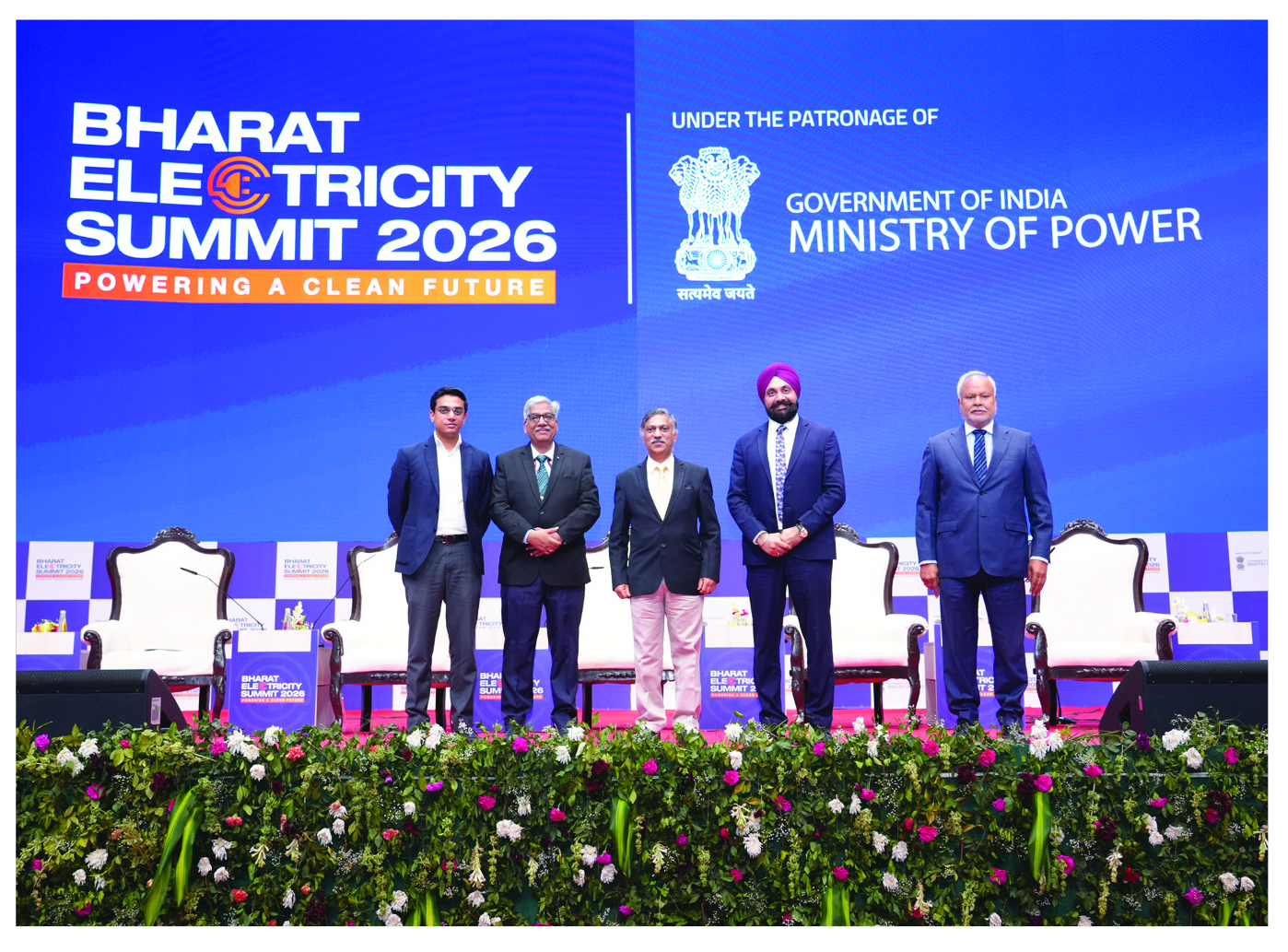
He further highlighted the need to strengthen both physical and digital resilience, including climate-resilient infrastructure design and robust cybersecurity frameworks. The expansion of high-capacity transmission corridors, including HVDC systems, will be critical to evacuating renewable energy from resource-rich regions such as Rajasthan and Gujarat to load centres across the country. He concluded that achieving a secure, strong and smart grid will require coordinated efforts across central and state utilities, along with active participation from the private sector.
Dr Ram Prasath Manohar highlighted Karnataka’s strategic approach to optimising renewable energy integration while addressing transmission constraints. He noted that a significant share of the state’s generation mix is now renewables-based, with a geographical mismatch between generation and demand centres.
To address this, KPTCL has undertaken the phased development of green energy corridors, with about 7 GW of capacity under implementation and plans to scale this up to nearly 19 GW in the coming years. The programme includes the development of high-capacity transmission infrastructure, comprising multiple generation pooling stations, 400 kV substations and over 500 km of transmission lines to facilitate efficient power transfer across regions.
Dr Manohar emphasised that alongside network expansion, there is a growing need to manage the variability and intermittency of renewables. In this context, the state is focusing on integrating battery energy storage systems and pumped storage projects to optimise utilisation, manage peak demand and reduce curtailment.
He also drew attention to supply chain constraints in the power equipment segment, noting that shortages of critical equipment could emerge as a key bottleneck. To address this, Karnataka is aligning its industrial policies with the power sector’s requirements, incentivising domestic manufacturing and localised production of electrical equipment.
He also underscored the importance of robust planning frameworks, noting that while early renewable energy expansion was rapid, the focus is now on strengthening system preparedness and operational efficiency. Karnataka’s integrated and forward-looking planning approach, he noted, could serve as a model for other states.
Sandeep Zanzaria observed that the ongoing energy transition is not merely a shift in the generation mix but represents a fundamental redesign of the power system. He noted that evolving geopolitical dynamics and supply chain vulnerabilities have elevated energy security from a cost optimisation strategy to a matter of national resilience and strategic priority.
India is moving towards a diversified energy portfolio comprising large-scale renewables, emerging nuclear baseload, battery energy storage, and a rapidly expanding layer of distributed energy resources across residential, commercial and industrial segments. While this diversification strengthens energy security, it also introduces significant operational complexity, transforming the grid from a centralised and predictable system into a highly distributed, dynamic and interactive network.
He highlighted the growing role of distributed energy resource management systems, which are expected to play a central role in the future grid. These systems will enable real-time visibility and orchestration of distributed assets, facilitate aggregation into virtual power plants, and support demand flexibility to better align consumption with variable supply.
He further underscored the role of artificial intelligence (AI)-driven transmission optimisation, particularly through dynamic line rating, which leverages weather data and system analytics to unlock latent capacity in existing networks. This approach reduces reliance on capital-intensive infrastructure expansion while improving system efficiency.
He also drew attention to the potential of digital twins and predictive grid operations to enable scenario analysis, contingency planning and proactive decision-making. According to Zanzaria, the future grid will increasingly rely on intelligence, data and software, alongside physical infrastructure, to ensure stability, efficiency and resilience.
Akilur Rahman highlighted that India operates one of the world’s largest synchronous grids supported by robust data, communication and control systems, including SCADA, energy management systems and load dispatch centres. This integrated digital and electrical backbone plays a critical role in managing an increasingly complex grid.
He noted that the future grid evolution will be driven by the greater integration of power electronics and digital technologies. HVDC systems, which have been in use for decades, are now playing a critical role in enabling bidirectional power flows necessitated by renewable energy variability. He highlighted the growing deployment of multi-terminal HVDC systems, which help integrate large-scale renewable resources from regions such as Rajasthan, Kutch and potentially Ladakh.
He further emphasised the importance of advanced grid control technologies, including FACTS and STATCOMs, for reactive power compensation and enhanced system stability. These technologies are becoming essential as renewable penetration increases and grid dynamics become more complex.
On the digital front, he highlighted that AI and machine learning enable more accurate forecasting of renewable generation and demand, as well as predictive maintenance of critical assets such as transformers and substations.
He concluded that the integration of digital twins, cloud computing and cybersecurity frameworks with traditional grid infrastructure will be key to building a smarter, more resilient and future-ready power system with enhanced predictability and operational efficiency.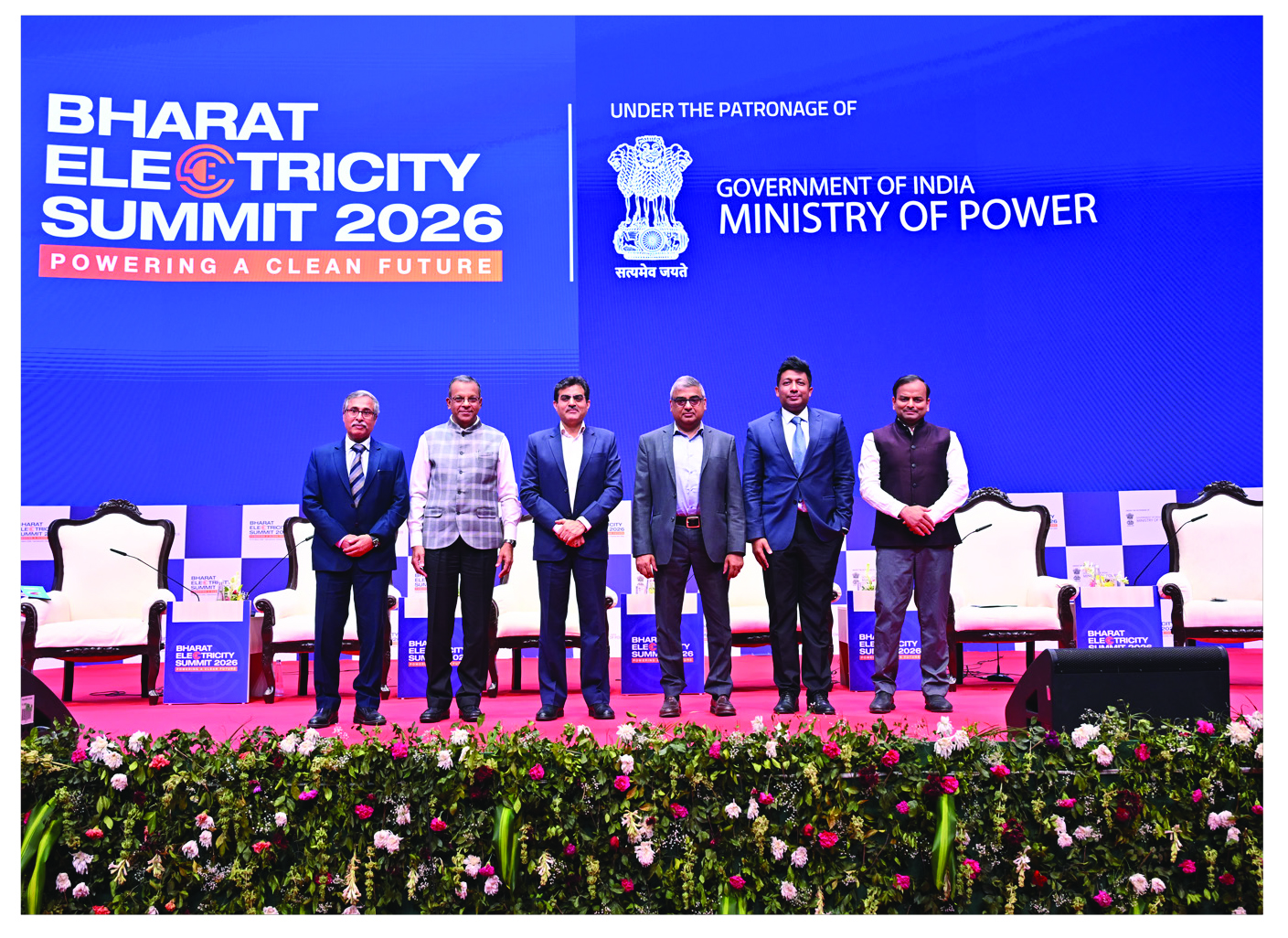
Re-engineering Transmission Delivery: RoW innovation and infrastructure execution
The session on “Re-engineering Transmission Delivery: RoW innovation and infrastructure execution” brought together a distinguished panel of policymakers and industry leaders deliberating on the critical challenges in power infrastructure development. Moderated by Umang Shah, Managing Director (MD) and Partner, Boston Consulting Group, the discussion features insights from Dr D. Saibaba, Additional Secretary, Ministry of Power, Government of India; Upendra Pande, MD, Gujarat Energy Transmission Corporation Limited; Kanwaljeet Singh Kukreja, Global Vice-President, Infrastructure Segment, Energy Management, Schneider Electric; and R.N. Nayak, Independent Director, Yash Highvoltage.
Dr D. Saibaba noted that in the transmission segment, while planning and capital allocation have remained robust and forward-looking, on-ground execution continues to be significantly constrained by persistent right-of-way (RoW) challenges. Drawing from his experience, he observed that a substantial portion of institutional effort is directed towards resolving RoW-related issues at the field level, underlining the complexity and sensitivity of land acquisition and stakeholder engagement.
He pointed out that policy interventions have evolved over time to address these challenges. The government has progressively refined compensation frameworks, culminating in the introduction of revised compensation frameworks aligned more closely with market-linked valuation principles. This approach seeks to ensure fair and structured compensation to landowners, with differentiated treatment across urban, semi-urban and rural areas, as well as clear guidelines on valuation methodologies. However, he noted that the adoption of these frameworks across states has been uneven, with varying degrees of adoption across states. Nevertheless, the policy direction has encouraged greater flexibility and responsiveness in state-level approaches to land valuation and compensation.
Upendra Pande highlighted the infrastructure expansion required to sustain power systems over the coming decades. Regarding the social challenges of this expansion, he highlighted a growing emotional and logistical friction involving landowners. He observed that while developers, manufacturers and agencies entered the transmission business willingly, landowners are often reluctant to participate in the process. In some cases, landowners have shown resistance despite higher compensation.
To mitigate these issues, Pande suggested a shift toward more empathetic and efficient planning through the use of common corridors. He argued for the creation of common corridors that could potentially accommodate multiple utilities, such as power lines and pipelines. Furthermore, he proposed evolving the compensation model from one-time payments to a system of periodic or annual payments. He believed that providing a steady income stream would instil a sense of partnership among landowners regarding the project, ultimately transforming their resistance into a more welcoming attitude toward essential infrastructure development
Kanwaljeet Singh Kukreja noted that managing transmission projects required immense effort across every stage, including planning, construction, building, operations and maintenance. He emphasised that the integration of artificial intelligence was driving an even greater demand for data, which must be converted into efficient systems to support core goals like reliability and decarbonisation.
He observed that technology companies worldwide were working to implement management and regulation systems capable of handling the unique challenges posed by renewable energy. He mentioned that prediction mechanisms and pilot programmes for regulation management were becoming increasingly critical components of this infrastructure.
Regarding the regulatory landscape, he expressed support for the recently rolled-out policies and advocated for their swift implementation across India. He pointed out that while previous efforts focused primarily on data protection and testing, the new era required a comprehensive focus on cybersecurity across the entire sector. He concluded by noting that modern internet of things-enabled electronic devices faced security risks across multiples stags of the supply and deployment chain.
R.N. Nayak emphasised that the scale and complexity of India’s transmission network have evolved significantly, particularly with the proliferation of renewable energy pooling stations. He noted that modern substations are increasingly witnessing the convergence of multiple transmission lines, intensifying land use pressures and amplifying RoW challenges, especially in rapidly urbanising regions.
He highlighted that RoW issues must be addressed holistically, beginning with improved survey practices and optimal siting of substations. He observed that legacy approaches to substation placement, often near urban centres, have led to suboptimal land utilisation and long-term constraints. A more forward-looking approach to planning, factoring in future urban expansion, is therefore critical.
Nayak further underscored the need for technological innovation to reduce RoW requirements. He pointed out that while safety clearances cannot be compromised, significant reduction in RoW width is achievable through compact tower designs, advanced insulator configurations and improved engineering of conductor swing. The adoption of such solutions can materially optimise land usage without affecting system reliability.
He also drew attention to global practices, noting that multi-circuit configurations on single towers are increasingly being deployed to maximise transmission capacity within limited corridors. In addition, he stressed the importance of re-engineering construction methodologies through modularisation and mechanisation, enabling faster project execution and minimising repeated site disruption.
He concluded by highlighting that faster compensation disbursement and reduced on-site construction duration can significantly improve stakeholder acceptance, thereby easing RoW constraints and accelerating transmission project delivery.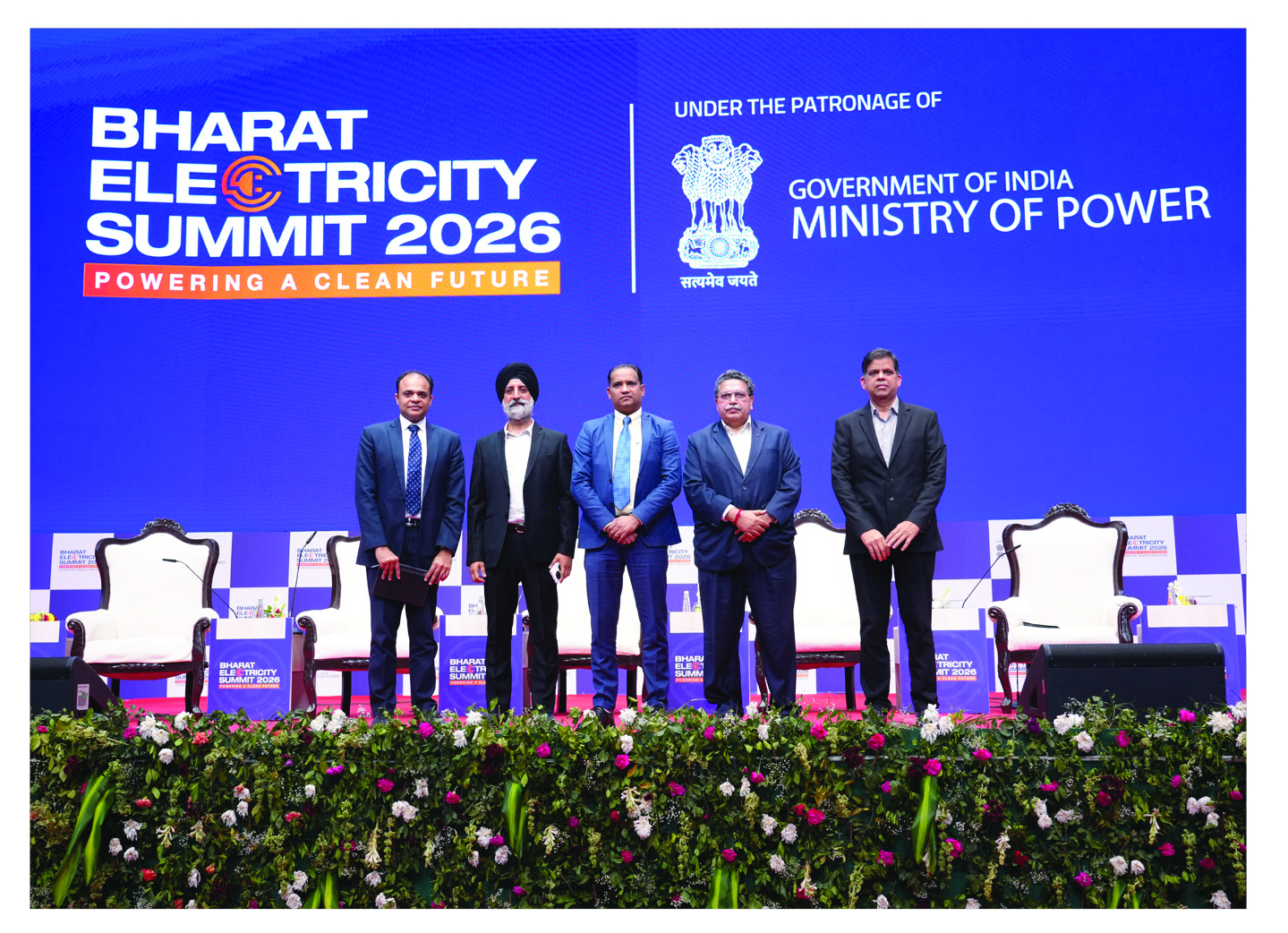
Pumped Hydro Renaissance: Unlocking long duration storage for renewable dominance
The session on “Pumped Hydro Renaissance: Unlocking long duration storage for renewable dominance” was moderated by Prateek Aggarwal, Programme Lead, Council on Energy, Environment and Water and features insights by M.G. Gokhale, Member, Hydro, Central Electricity Authority (CEA); Suprakash Adhikari, Director, Technical, NHPC Limited; Shubhra Thakur, Director, Policy and Markets, APAC and Country Director, India, Long Duration Energy Storage Council; Ankur Vashishta, Head, Pumped Storage Projects, JSW Energy; and Shouvik Dey, VP, Voith Hydro. The session highlighted emerging needs, challenges and initiatives in the PSP segment.
M.G. Gokhale highlighted the complementary roles of battery energy storage systems (BESS) and pumped storage hydropower (PSP). BESS is suited for short-duration needs of around two hours and benefits from rapid deployment timelines. In contrast, PSP can address long-duration storage requirements but is constrained by longer construction periods.
He emphasised that improving execution speed will be critical. The repeatability of standardised designs, supported by modern testing approaches, can significantly compress timelines. Accelerating PSP development will require parallel progress on multiple fronts, including policy and financing support. Measures such as viability gap funding (VGF) and stronger financial closure frameworks could be game changers. Equally important are faster construction methodologies, adoption of best practices and streamlined clearances. Together, these steps can meaningfully accelerate storage capacity addition in India.
Shubhra Thakur highlighted the wide spectrum of storage technologies –spanning electrochemical, mechanical, chemical and thermal systems – that can complement PSP. She noted that efforts are under way to enable technology-agnostic deployment across the country, with a strong emphasis on scaling PSP.
Drawing on global experience, she pointed out that projects are increasingly de-risked through structured risk-sharing mechanisms. These approaches ensure stable base revenues for developers while allowing excess returns beyond a defined threshold to be shared with governments or consumers, creating a balanced value proposition. India could consider adopting similar models.
She also underscored the importance of revenue stacking to improve project viability. Establishing an enabling framework that provides market predictability for long-duration storage, including PSP, will be critical. Ultimately, a step change will require positioning pumped storage as a key enabler of net-zero goals – moving beyond peak demand support to delivering wider economic and clean energy benefits.
Suprakash Adhikari highlighted that inefficiencies persist in the utilisation of PSPs. Surplus low-cost electricity available in the market can be leveraged for pumping, but this requires a well-defined structural mechanism supported by robust forecasting systems. He emphasised the need for stronger price signals and better alignment between generation and consumption across time blocks.
The segment continues to face challenges such as land acquisition, clearances and approvals, although recent government initiatives are helping to address these bottlenecks. On the merchant PSP model, he noted growing synergy among stakeholders—developers, consumers, equipment manufacturers and suppliers—with increasing participation from private investors and faster project execution.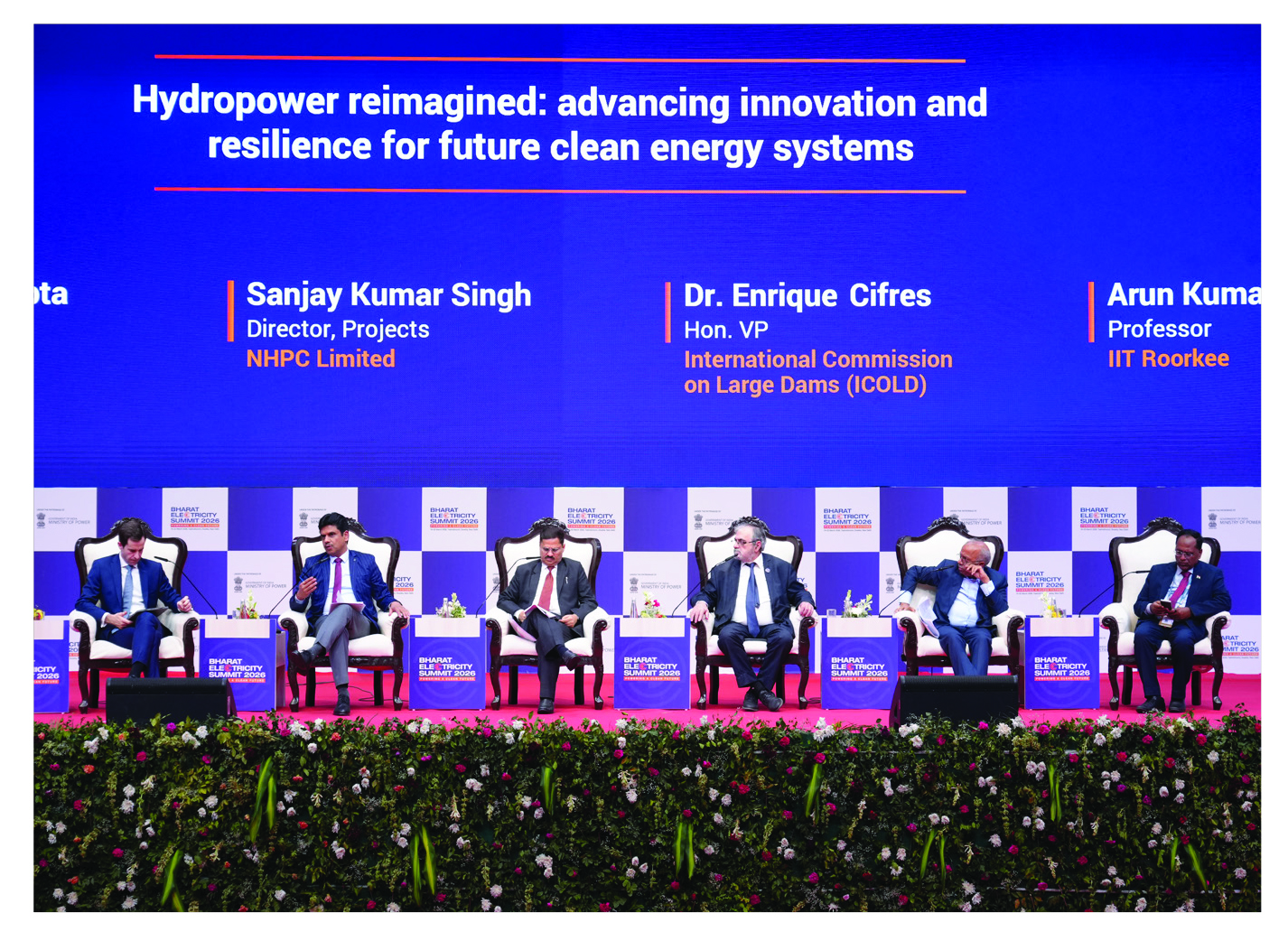
Policymakers are placing greater emphasis on PSP development, creating strong momentum in the sector. Several projects are already under implementation, with many more in the pipeline across both public and private players. Over the next two to three years, higher developer participation and improved market design are expected to accelerate the sector’s growth.
Ankur Vashishta emphasised the need for a shift in mindset to improve project outcomes. He highlighted the importance of a clear understanding of the overall project system, supported by well-structured contracting and subcontracting frameworks along with careful vendor selection.
He pointed to the shortage of skilled manpower as a key constraint. While VGF is essential in the initial stages, successful project completion will require both VGF support and milestone-based infrastructure assistance. Above all, strong execution remains critical, supported by proactive engagement with all stakeholders.
Land acquisition continues to be a major challenge, underscoring the need for supportive state-level agreements, particularly to address land-related issues. He also stressed the importance of investing in advanced construction technologies to improve efficiency.
Souvik Dey underscored the critical importance of time and the role of backward integration in accelerating PSP development. Given that most PSPs are upstream in nature, he highlighted the potential for design standardisation and repeatability. This enables interchangeability of components, allowing developers to manage large, parallel project portfolios more efficiently and prioritise execution without slowing overall progress.
He noted that several supportive policy initiatives are already in place. From an OEM perspective, however, project delays have cascading impacts – not only affecting developers financially but also disrupting manufacturing schedules, planning cycles and execution systems.
Encouragingly, progress is being made through faster DPR timelines, policy support and growing sectoral momentum. Dey also emphasised the significant socio-economic benefits of PSPs, including job creation, industrial growth and community development. Looking ahead, increased government-led project development, along with stronger risk-sharing and protection mechanisms for private players, will be key to sustaining momentum and scaling up the sector.
Building Intelligent Grid Systems: From smart metering and ADMS-DERMS platforms to next generation TSO-DSO co-ordination
The session on “Building Intelligent Grid Systems: From smart metering and ADMS-DERMS platforms to next generation TSO-DSO co-ordination” was moderated by Saurav Kumar Shah, ED, Power Finance Corporation, and Satyendra Nath Kalita, Director, Regulatory Affairs, All India Discoms Association, and featured remarks by Hemant Jain, Member, Grid Operation and Distribution, Central Electricity Authority (CEA); Anil Rawal, CEO and MD, Intellismart Infrastructure; Madan Mohan Chakraborty, MD and CEO, GridCrest Technologies (Kaynes Group); and Abhishek Ranjan, CEO, BSES Rajdhani Power. The session highlighted the crucial role of advanced distribution management systems (ADMS), distributed energy resource management systems (DERMS) and smart‑meter data in forming the “data backbone” of a modern, renewable‑rich distribution grid in India.
Saurav Kumar Shah noted that data in the power sector – especially from mass‑scale smart metering initiatives – has grown enormously in volume and granularity, forming a new “data estate” for the grid. With over 60 million smart‑metered consumers already connected, the key question is not just how to secure this data, but how to use it efficiently to reduce costs, improve load forecasting and inform network planning.
He stressed that data should be harmonised across AMI, ADMS, SCADA and GIS layers to map assets, generation and consumers accurately, and to enable granular growth and load‑management planning. The bigger challenge, he argued, is not only cybersecurity, but also data quality, sanitisation and integration – avoiding duplication and unusable datasets that lead to poor planning and over‑ or under‑investment.
He noted that the power sector has moved from data scarcity to data abundance, and that the priority for the sector must be good data hygiene, smart integration and actionable insights – to ensure power is procured and supplied at the right cost while keeping the consumer at the centre.
Hemant Jain noted that distributed generation provides real-time inputs to the ADMS on local generation, load and voltage conditions. This enhances visibility at the grid edge, improving situational awareness and enabling more precise control of power flows.
However, he emphasised the need for a clear understanding of the quantum of distributed generation being integrated into the grid. He cautioned that assuming ADMS requires all available data can lead to unnecessary data overload. Instead, the focus should be on defining and integrating only the data essential for monitoring grid parameters, managing flows and supporting operational decision-making.
He further observed that a fully decentralised approach could weaken the centralised view of the grid, potentially eliminating a single point for coordination, visualisation, and control – thereby complicating large-scale system management.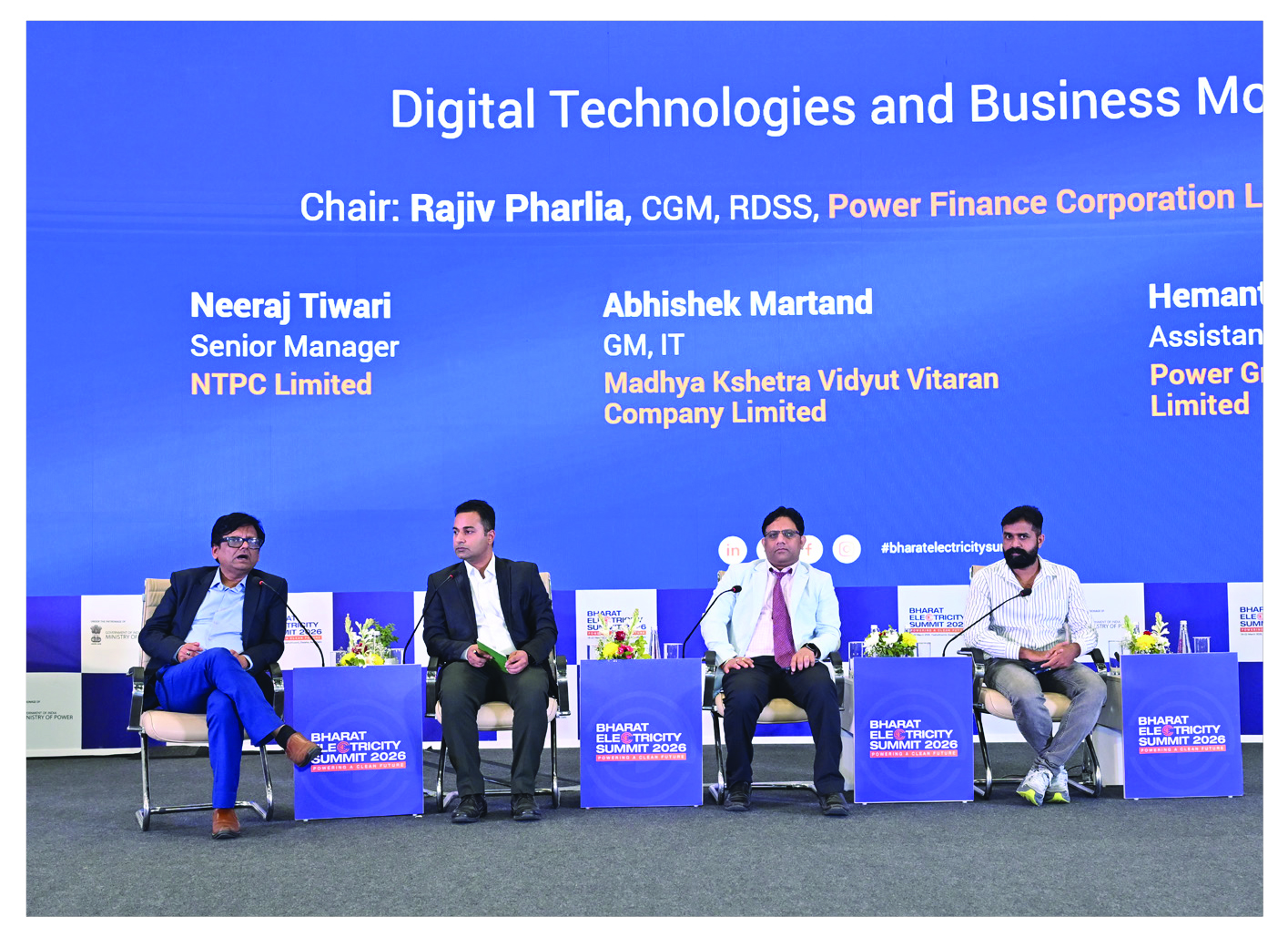
To address this, he highlighted the importance of a hybrid architecture. In this model, the ADMS focuses on network-level data for real-time monitoring, control and optimisation, while DERMS manages distributed energy resources in detail, including their location, intermittency and local control.
He concluded that the grid should evolve towards a hybrid, centralised intelligence layer – where ADMS provides the system-wide view, and DERMS handles resource-level management and well-defined data exchange between the two ensures seamless operations.
Anil Rawal noted that a grid is not just infrastructure – it is a dynamic system that instantaneously balances supply and demand, reflecting the sophistication of modern science. Electrons do not follow commercial boundaries; they simply move where there is a potential difference. It is up to us to manage the commercial, regulatory and system aspects that govern this natural flow.
He also pointed out that the only real way to control this flow is through storage – batteries or other energy reservoirs – helping us manage both generation and consumption. Emission control, while important, is limited without accurate, real-time data from the consumption side. That is why data-driven grid management is essential.
He further highlighted that smart meters have transformed this scenario. They give real-time data – data that tells us when consumption rises, where generation peaks and how the grid behaves every minute. This information allows utilities as well as consumers to manage loads intelligently, reduce losses and even guide consumers to use electricity more efficiently. He added that India’s progress has been remarkable in installing smart meters in record time. This is among the fastest roll-outs globally, achieved in just two years, and the momentum is only growing. As technical frameworks stabilise and myths around measurement and parameters fade, it can be expected that another 30–40 per cent advancement in smart meter roll-out will be visible in the future.
Madan Mohan Chakraborty noted that the vision of smart metering should expand beyond just utility integration and move toward a broader ecosystem that connects all key stakeholders. Consumers, utilities, government and industry must all be part of an integrated data and control framework in the smart grid era.
He highlighted that today, utilities are seen as the primary stakeholder in metering. For utilities and discoms, smart meters are not just measurement devices; they are digital interfaces that enable time-of-day tariffs, better load management and reduced losses – leading to more sustainable operations and financial health.
However, the scenario is changing. It has been witnessed that consumers are likely to play an active role. From the consumer’s perspective, three questions matter most: How can the consumer reduce the electricity bill? How efficient are the consumer’s appliances? And can the consumer quickly detect if something is wrong at home? In the smart metering segment, the perspective should move beyond just collecting data and increasing consumer participation to make the most of smart metering benefits.
Abhishek Ranjan noted that the traditional unidirectional flow from generation to transmission to distribution of electricity to end-consumers is now being disrupted by variable renewable energy (utility-scale and distributed, such as rooftop solar). It has been witnessed that the rapid rise of per-capita electricity consumption in urban centres as compared to rural areas has made demand and supply more volatile and less predictable.
He noted that renewable energy penetration is changing the dynamics of the electricity grid. A large share of capacity in some utilities is now renewables. This has called for the need to introduce a distributed system operator (DSO) framework to manage the integration of distributed energy resources and flexible loads (smart appliances, EVs, demand-side response).
He highlighted that state load despatch centres cannot manage the integration of distributed energy resources and smart loads. Without a DSO layer, the distribution grid presents challenges such as over-voltage, transformer failures and frequency instability. Hence, the distribution licensee must evolve into a DSO, not just to manage meters and bills, but also to orchestrate a complex, renewable-rich, consumer-centric distribution grid.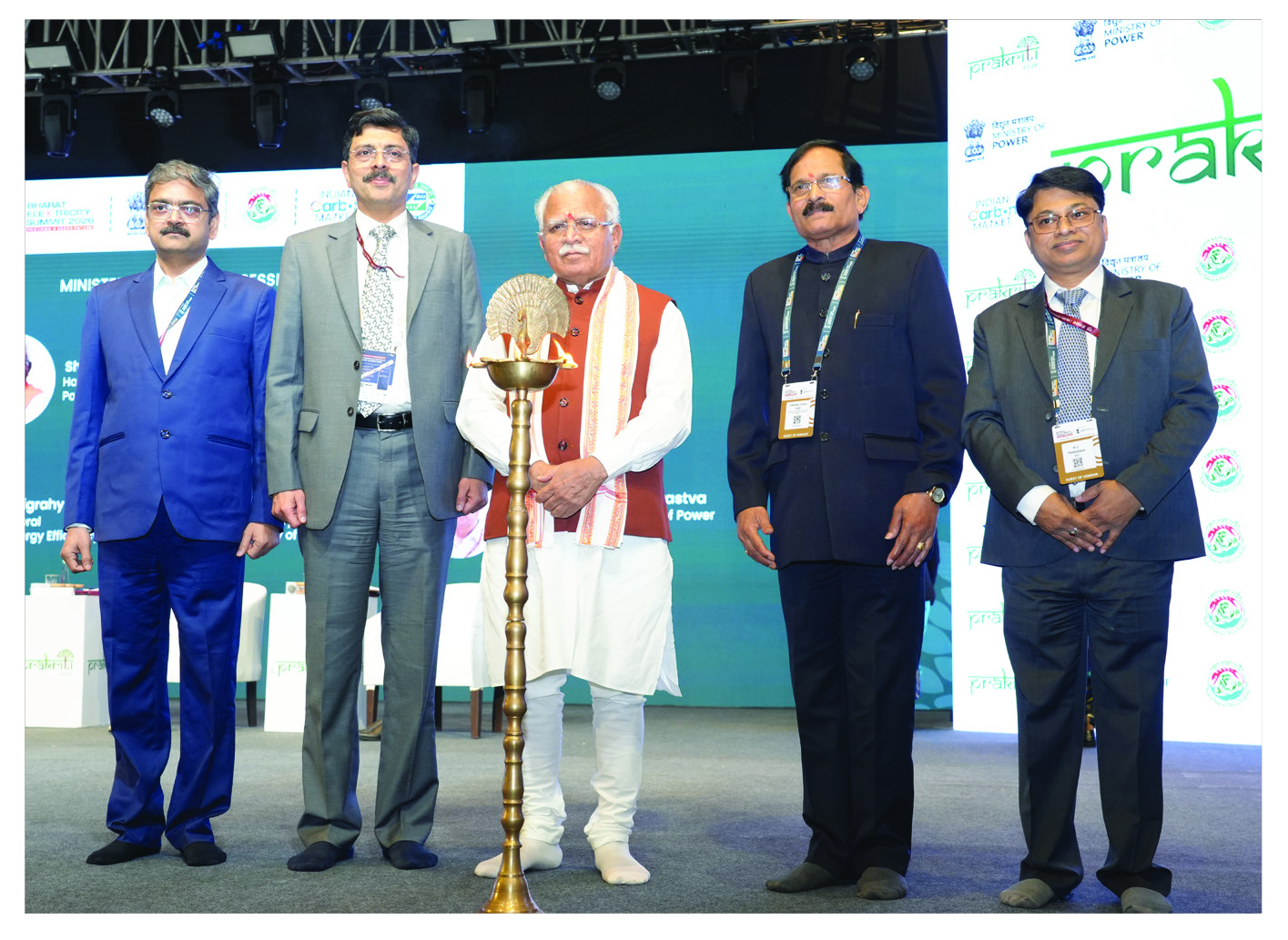
Powering the Digital Economy: Clean energy for data centres and emerging digital infrastructure
The session titled “Powering the Digital Economy: Clean energy for data centres and emerging digital infrastructure” was moderated by Ashim Sharma, Senior Partner and Business Unit Head, NRI (Nomura Research Institute) Consulting and Solutions, and featured remarks by Sarit Maheshwari, Chief Executive Officer, NTPC Green Energy Limited; Venkat Mynam, Senior Engineering Director, Schweitzer Engineering Laboratories, Inc.; Simon Evans, Director, Global Digital Energy Leader, Arup; Dr Lawrence Jones, Co-Founder and President, Energy Plexus Institute; and K.V.S. Baba, Former Chairman and Managing Director, GRID-India and Technical Co-Chair, CIGRE.
Sarit Maheshwari noted that India’s power sector is undergoing a structural shift, driven by significant investments in transmission infrastructure and grid resilience. He highlighted the efforts to build a robust and reliable grid capable of meeting rising demand while addressing transmission risks.
He emphasised the increasing importance of dependable power for emerging sectors such as data centres, noting that stronger transmission networks will ease future constraints. He also pointed to the strategic co-location of data centres in renewable-rich states like Gujarat and Rajasthan, reflecting a move towards aligning energy availability with sustainability goals.
On the energy transition, Maheshwari discussed the changing economics of clean energy, particularly solar power, and its relevance for large-scale consumption. He identified green hydrogen as a promising solution for energy-intensive applications, supported by pilot projects demonstrating solar-based electrolysis, storage and decentralised usage.
Venkat Mynam underscored the growing complexity of modern power systems as renewable energy penetration rises alongside increasing demand from data centres. He noted that high shares of renewables could introduce grid instability, citing instances where solar-driven oscillations caused voltage fluctuations due to insufficient reactive power support. This, he argued, highlighted the need for stronger system balancing and more active grid support from generation assets.
He emphasised the continued importance of conventional power sources in maintaining grid stability, particularly during sudden demand surges. He noted that thermal and other despatchable resources had played a critical role in managing unexpected spikes, restoring system frequency and preserving grid integrity. Ensuring the timely availability of such resources, he suggested, remained vital as the energy mix evolved. He further pointed to technologies such as synchronous condensers for providing inertia and voltage support.
Simon Evans applauded the transformative role of digitalisation and AI in shaping the future of the energy sector, particularly in the context of decarbonisation and rising data centre demand.
He emphasised that the true value of data centres lay in the data they generate and process. He noted that achieving net zero would depend not just on infrastructure, but also on effective digitalisation and better use of data across the entire energy system lifecycle. He noted that improved data sharing and analytics would be key to optimising performance, strengthening decision-making and enabling better coordination across the energy ecosystem. He stressed that skilled professionals would remain essential, and that education and training must evolve accordingly.
Lawrence Jones highlighted key structural challenges in integrating data centres into modern power systems, with particular emphasis on standardisation and interoperability. He argued that the rapid growth of hyperscale data centres created a fragmented landscape, where each facility operated with distinct technical models based on its design and equipment. This diversity placed a significant burden on grid operators, who had to manage multiple incompatible models, thereby increasing operational complexity and systemic risk.
He underscored the urgent need for a universal modelling framework, noting that the lack of standardisation represented a critical gap in current grid planning and policy. Interoperability is essential to ensure seamless coordination across systems. He also highlighted opportunities for integration, such as utilising waste heat from data centres for district energy applications to improve overall system efficiency.
K.V.S. Baba emphasised the need for a scientifically grounded and system-oriented approach to managing India’s evolving power sector, particularly in the context of rising data centre demand. He highlighted the importance of detailed modelling and simulation in anticipating system behaviour, noting that robust analytical preparation is essential to enable sustainable growth without overstressing the grid.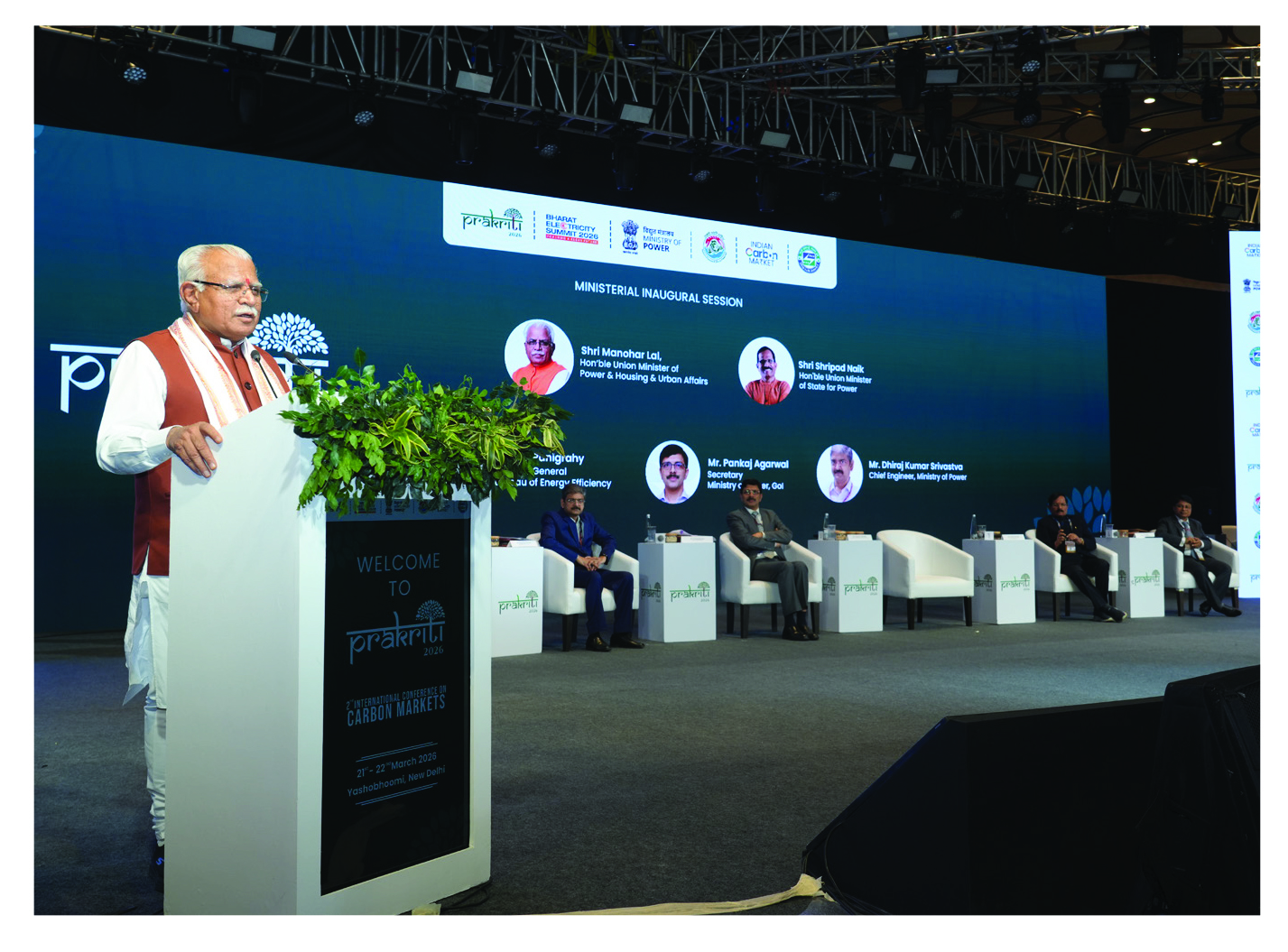
He emphasised that a strong foundation in the physical principles of power systems is critical, cautioning against over-reliance on superficial data interpretations or technical jargon. Instead, he advocated building deep technical capacity within organisations, beginning at the engineering level, to ensure accurate modelling and informed decision-making. He also pointed to global collaboration and knowledge-sharing efforts, including structured study committees and technical publications, as key enablers of system preparedness and innovation. Drawing on operational experience, he underscored the importance of preparedness and flexibility in managing demand fluctuations.
Scaling Alternative Fuels in India’s Power Mix: Unlocking flexibility and economic potential
At the session on “Scaling Alternative Fuels in India’s Power Mix: Unlocking flexibility and economic potential”, panellists included Gaurav Gulati, Principal, Kearney (moderator); Rajinder Singh Ahuja, CEO, Power, Vedanta Limited; Vikas Kikan, CEO, Beyond Drilling; Suresh Kumar Narang, Director, Nabha Power; and Chandramouli Kasina, ED, Safety, Sustainability and Ash Utilisation, NTPC Limited.
Rajinder Singh Ahuja placed thermal power in the middle of the transition instead of at the end of it. His argument was that thermal plants are not disappearing soon; they are being repurposed. Solar and wind are growing because they are cheaper and more available, but they are still intermittent. In the daytime, when solar output is high, thermal units can ramp down to around 50 per cent of capacity; in the evening, they ramp back up to meet demand. Until storage, pumped storage, hydro and nuclear take a much larger share, thermal remains the base load on which renewables are added.
India’s future energy security, hence, cannot rely on a single fuel or one technology class. The system will need a basket of solutions: biomass co-firing for existing thermal assets, more nuclear capacity, more storage and eventually more hydrogen-based systems. India’s ethanol blending programme is an example of how policy support can change fuel composition. The government must continue to enable investment through faster clearances, land availability and financing support. The biggest constraint is not technical feasibility but the speed at which policy, finance and infrastructure can move together.
Vikas Kikan noted that biomass is no longer used only as a fuel for thermal plants. It is also being used for 2G ethanol, compressed biogas and pellet-based biogas sourced from farmers. As a result, biomass price is rising and the market is no longer shaped only by power demand. Kikan’s main concern was how farmers and suppliers would respond as these alternative use cases expand further, especially in the near term and during the winter months. The implication was that the biomass market will tighten as more industries start buying the same residue stream. That makes pricing, collection and delivery more complicated for thermal plants that need a stable daily fuel supply.
Suresh Kumar Narang noted that India’s biomass availability stands at around 76 million tonnes per year, but its true usable potential is much larger when crop residue and related waste streams are taken into account. He estimated that 5 per cent co-firing across India’s thermal plants could translate into nearly 40 million tonnes of biomass consumption. On emissions, substituting coal with biomass helps offset millions of tonnes of carbon emissions. Several industries in India have started biomass collection and processing, but the market is still uneven. Biomass collection is seasonal and depends on a short harvesting window, which means material has to be collected in large volumes and stored for the rest of the year. The pellet route, therefore, is currently the most practical option because it is cheaper to set up than compressed biogas or other biomass-based businesses, and it can directly replace about 5 per cent of coal use in thermal stations.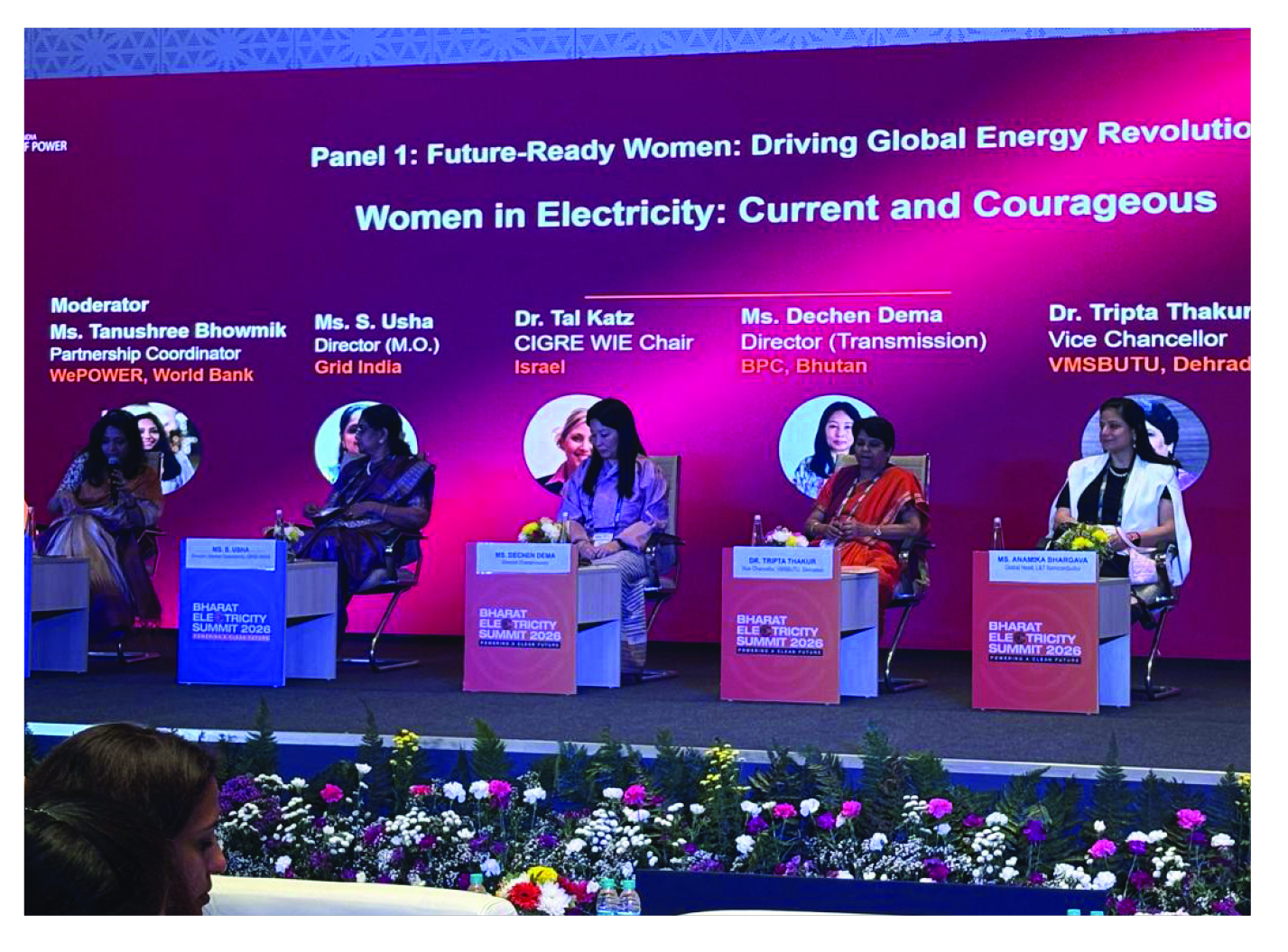
Chandramouli Kasina noted that India has a significant surplus of biomass that can be tapped across the power and other sectors. Even if 5 per cent of thermal generation is supported through biomass co-firing, the country could absorb around 40 million tonnes annually. At the unit level, he noted that a recently commissioned Punjab plant is already using biomass with a blend of under 4 per cent, while another NTPC pilot has tested co-firing at up to 20 per cent in one unit. The point was not that biomass can fully replace coal, but that it can meaningfully reduce coal use in existing infrastructure.
Additionally, India has room to scale crop residue pellets that are converted into a coal-like fuel. He described this as an immediate fossil fuel substitute, especially for hazardous residue streams and municipal solid waste. Moreover, nuclear power has several strengths: low land requirement, no direct carbon emissions and a documented plant life of about 60 years. He also linked it to the replacement of ageing thermal capacity as old thermal units are expected to be decommissioned and firm replacement capacity will be needed. NTPC has already set up a nuclear joint venture and is involved in multiple units under installation, including four 700 MW units at Mahi Banswara.
Hydropower Reimagined: Advancing innovation and resilience for future clean energy systems
The session on “Hydropower Reimagined: Advancing innovation and resilience for future clean energy systems” featured a panel discussion among Imanol Arbulu, Partner, Energy Practice, Kearney (moderator); Bhupender Gupta, Chairman and MD, SJVN Limited; Sanjay Kumar Singh, Director, Projects, NHPC Limited; Dr Enrique Cifres, Hon. VP, International Commission on Large Dams; Arun Kumar, Professor, IIT Roorkee; and R.K. Chaudhary, Chairperson, Joint Electricity Regulatory Commission, UT of Jammu & Kashmir and Ladakh. The panellists discussed the current status of hydropower project development, key challenges and the way forward. Edited excerpts…
Bhupender Gupta noted that the hydropower sector continues to face a mix of external and internal challenges that are slowing project development. External issues begin at the project initiation stage, particularly with rehabilitation and resettlement requirements and environmental clearances, which often lead to local resistance and delays, ultimately impacting costs. Geological uncertainties, especially in the Himalayan region, remain a persistent risk and are largely beyond developer control. In recent years, climate variability has added further uncertainty, impacting water availability and increasing project risk.
On the internal side, delays in decision-making and the prolonged resolution of contested issues continue to hinder timely execution. In addition, there is a shortage of civil contractors and electromechanical suppliers. Skilled manpower availability is another constraint, particularly in remote project locations, where workforce retention remains a challenge despite higher compensation.
Sanjay Kumar Singh emphasised that hydropower development remains a challenge across both pre-construction and construction stages. In the initial phase, projects face resistance from local communities due to concerns over land loss and livelihood impacts. Land acquisition is a particularly time-consuming process, with developers dependent on government authorities. Multiple clearances, including environmental, forest and mining approvals, further add to delays, given the extensive studies, consultations and compensatory requirements involved. Limited infrastructure in remote project locations also constrains early progress.
During construction, geological uncertainties, especially in Himalayan regions, pose significant risks. Adverse climatic conditions, including landslides and heavy rainfall, disrupt execution and logistics. Resource constraints, particularly in terms of skilled manpower, and contractual disputes add to the complexity. While institutional mechanisms for dispute avoidance and resolution have improved, timely project execution continues to depend on effectively managing these interconnected challenges.
Dr Enrique Cifres highlighted the evolving role of hydropower from being a primary source of large-scale electricity generation to a more system-supporting resource. Historically, dams enabled long-distance power transmission and optimal site-based generation. However, prime locations have largely been developed in regions such as Europe and North America. In contrast, regions such as Africa and South America still hold significant untapped potential.
In the current energy transition, hydropower is increasingly valued for its ability to complement variable renewable sources. With the growing share of solar and wind, system stability and storage have become critical, and existing hydropower assets offer a viable solution without additional environmental disruption. Going forward, hydropower will play a critical role in enabling grid reliability, supporting renewable integration and contributing to a more balanced and resilient energy mix, rather than only expanding generation capacity.
Arun Kumar stated that the hydropower sector requires greater integration of advanced technologies such as artificial intelligence and digital twins to improve planning, forecasting and scenario analysis. At the same time, policy and market frameworks need to evolve as hydropower is still treated largely as an energy-only product, with limited recognition of its flexibility and ancillary services in hybrid systems.
Strengthening climate resilience is another priority, particularly in the context of extreme events that increase financial and operational risks. This is especially relevant for Himalayan projects, where sedimentation affects performance and long-term viability. There is also a need to scale up research and development, which remains limited despite the sector’s evolving role. Capacity building, including skilled manpower and manufacturing capabilities, must keep pace with the growing focus on hybrid systems. Finally, environmental sustainability must remain central to project development, as delays or disruptions due to non-compliance can significantly impact project viability.
R.K. Chaudhary underscored the range of challenges faced in hydropower development. These extend beyond technical and geological issues, which are manageable with experience and timely decision-making. A critical constraint lies in securing support from local communities and stakeholders, which plays a decisive role in timely project execution. Projects with strong local backing have demonstrated significantly better outcomes in terms of completion timelines.
Delays are often exacerbated in regions with complex terrain when decisions are not taken promptly, leading to cost and time overruns. Despite improvements in the pace of regulatory clearances, execution-stage challenges persist. These include land acquisition hurdles, rising compensation costs and local disruptions in project areas.
Going forward, there is a need to adopt a mission-mode approach, with coordinated support from all stakeholders. Timely execution will depend on improved capabilities, experience and technology, as well as better on-ground alignment.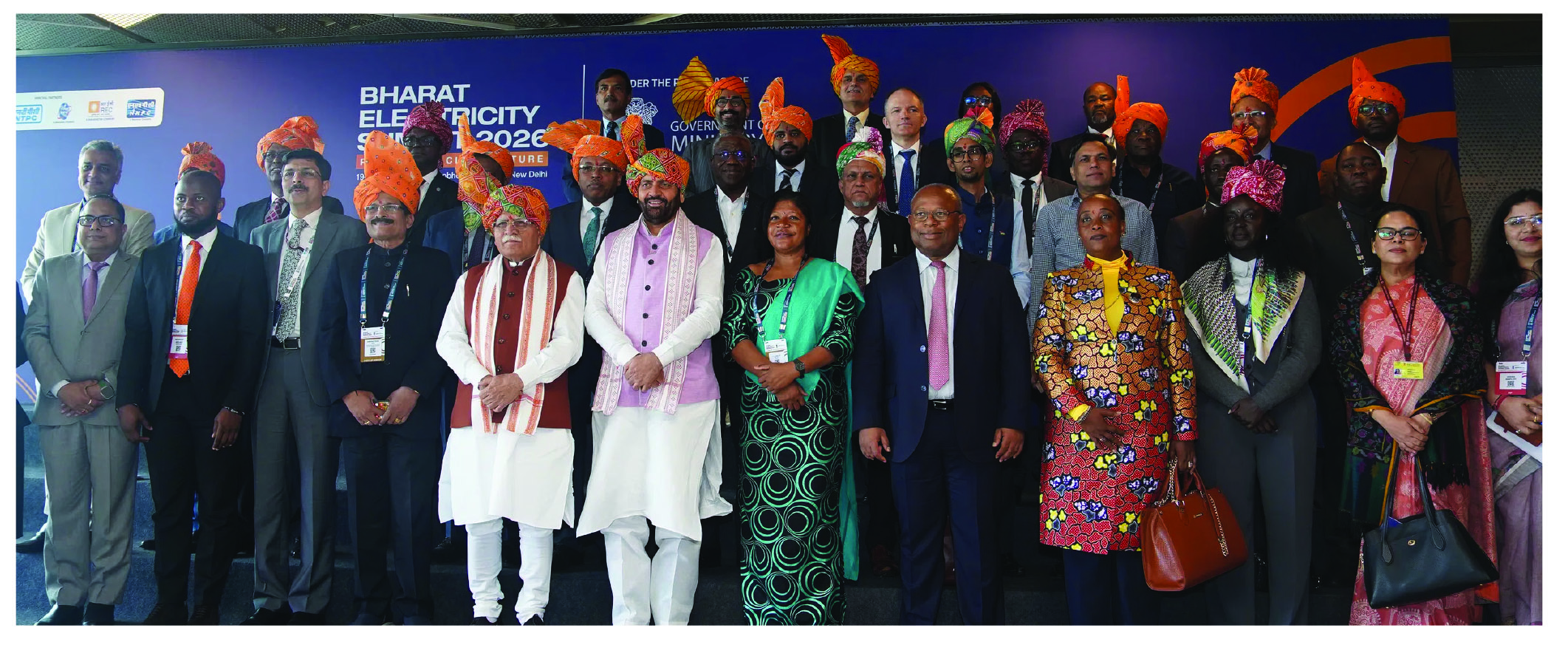
TECHNICAL CONFERENCES
Renewable and Clean Energy Generation
The panel discussion on “Renewable and Clean Energy Generation”, chaired by Sujay Karmakar, Chief General Manager, NETRA, NTPC, brought together Jaganath Pani, Senior Manager, NHPC Limited; Pranay, Manager, NETRA, NTPC Limited; and Dinesh Mistri, Department of Electrical Engineering, Dumka Engineering College. The discussion focused on the evolving dynamics of renewable integration, the role of flexible generation technologies and innovations required to support India’s energy transition.
A key theme of the session was the rapid expansion of renewable energy and the operational challenges associated with integrating large volumes of variable generation into the grid. India’s renewable energy capacity has crossed 260 GW, and the country is targeting 500 GW of non-fossil fuel capacity by 2030. While this growth supports decarbonisation objectives, the increasing share of solar and wind generation is also creating new grid management challenges. These sources are intermittent and inverter-based, and therefore do not provide physical inertia in the same way as conventional rotating generators. As a result, high renewable penetration can reduce overall system inertia, increasing the rate of change of frequency during disturbances and posing risks to grid stability.
The discussion also highlighted the growing role of battery energy storage systems in enhancing grid flexibility. Battery storage can deliver ultra-fast frequency response quickly, helping stabilise the grid during sudden disturbances. While batteries typically provide shorter-duration support compared to hydro plants, the combination of hydro flexibility and battery storage can create a more resilient and responsive grid. Such hybrid approaches are expected to play a key role in managing renewable variability as the share of variable generation continues to rise.
Another important aspect discussed during the session was the decarbonisation of thermal power generation. Despite the growth of renewable energy, coal-based generation is expected to remain part of India’s power mix in the near to medium term due to its role in providing grid stability, particularly during morning and evening peak periods, when solar generation ramps up or declines. To reduce emissions from coal-based plants, NTPC has been exploring biomass co-firing as a transitional solution. Biomass co-firing allows agricultural residues to be blended with coal in existing power plants, thereby reducing net carbon emissions while also addressing the issue of stubble burning.
The session also touched upon broader pathways for the energy transition, including electrification and technological innovation. Discussions highlighted the increasing importance of electrification across sectors such as transportation and industry, supported by the growth of renewable power. Research and academic contributions presented during the session included innovations in electric mobility for rural and semi-urban conditions. One such concept focused on developing a low-cost electric vehicle with improved stability and a lower centre of gravity, making it better suited for the uneven road conditions typically found in rural areas.
India’s transition to a clean energy system will require a multi-pronged approach, going forward. Expanding renewable energy capacity will need to be complemented by flexible resources such as hydropower, advanced storage technologies, cleaner thermal solutions and increased electrification of end-use sectors. Strengthening grid flexibility and supporting innovation across the energy value chain will be essential to ensuring both sustainability and long-term energy security.
Grid Decentralisation and Modernisation
The session titled “Grid Decentralisation and Modernisation (Distribution and Smart Infrastructure)” was chaired by Sumedh Agarwal, Director, Smart and Resilient Power and Mobility, Alliance for an Energy Efficient Economy, and featured a discussion among Sonal Mahapatra, Team Lead, PSCC, TP Central Odisha Distribution Limited; Atul Singh, Retired Superintending Engineer IT, Uttar Pradesh Power Corporation Limited; Mukesh Hingar, Global Head, Application Engineering, Secure Meters Limited; and Rajiv Pharlia, Chief General Manager, RDSS, Power Finance Corporation Limited. The session focused on the evolving role of digital technologies, data-driven intelligence and consumer-centric approaches in modernising distribution networks. The panellists highlighted the need to move beyond infrastructure expansion towards smarter, more resilient and adaptive grid systems. They also emphasised the need to bridge gaps in system visibility and analytics capability, improve loss detection under partial data conditions, enhance consumer trust in smart metering, and develop indigenous technological solutions for safety and operational efficiency.
A key theme that emerged was the shift from simply monitoring the grid to using data more intelligently for decision-making. While utilities today have access to real-time operational visibility, the focus is increasingly shifting toward extracting actionable insights from this data to anticipate operational issues, improve planning and enhance overall system performance. There is also a growing emphasis on developing in-house, cost-effective solutions to reduce dependence on external vendors.
Another important trend is the increasing reliance on data-driven approaches for loss detection, particularly in areas where advanced metering infrastructure deployment remains incomplete. In response, utilities are adopting more flexible and adaptive approaches that can function effectively even with partial data availability. These approaches combine multiple techniques to identify problem areas, estimate non-technical losses and flag high-risk consumers, enabling more targeted interventions and improved efficiency.
The session also underscored the importance of consumer engagement in the success of initiatives such as smart metering. Many consumers, especially in rural and semi-urban regions, remain cautious about prepaid systems and digital transactions. To address these concerns, utilities are focusing on awareness campaigns to build trust and confidence. At the same time, there is a strong emphasis on designing user-friendly and inclusive systems that cater to diverse consumer needs.
From an operational perspective, the integration of smart metering and digital platforms is delivering tangible benefits in the form of improved revenue assurance, greater billing efficiency and more effective demand management. Access to near real-time consumption data is enabling better load analysis, faster outage response and more informed system planning. However, panellists emphasised that the success of these technologies depends equally on strengthening internal processes, workforce readiness and customer service frameworks.
The discussion also highlighted a strong push towards indigenous innovation. There is growing recognition that solutions developed within India are better suited to address local challenges. Accordingly, efforts are underway to build scalable and cost-effective technologies for monitoring, data capture and fault detection. Lastly, safety was noted as a key focus area, with panellists highlighting efforts to reduce leakage currents and electrocution incidents through preventive and real-time monitoring solutions.
Energy Efficiency and Sustainability
The panel discussion on “Energy Efficiency and Sustainability”, chaired by Ramandeep Singh, Practice Head and COO, Mercados Energy Markets India Private Limited, brought together Anjan Kumar Sinha, Technical Director, INTERTEK; Dr Rajendra Kumar Saini, Senior Manager, NTPC Limited; Goutam Khankari, Senior Manager, Damodar Valley Corporation; and Vinod Kotra, Senior Manager, Secure Meters Limited. The discussion focused on improving the efficiency of energy systems and strengthening sustainability practices across the power sector and industrial operations.
Improving energy efficiency has become increasingly important in the current global environment, characterised by energy market volatility and geopolitical uncertainties. Disruptions in fuel supply chains and rising energy costs in several regions have highlighted the importance of building resilient and efficient energy systems. In this context, India’s diversified energy mix, comprising coal, gas, hydro and renewable energy sources, was noted as a strength that provides greater stability to the country’s power sector. At the same time, enhancing efficiency across generation and consumption systems remains critical for ensuring long-term sustainability and cost competitiveness.
The discussion highlighted that coal-based generation continues to play a major role in India’s electricity supply. While renewable energy capacity is expanding rapidly, thermal power plants continue to act as the backbone of the system by providing dependable and despatchable power. Improving the operational efficiency of these plants through advanced technologies, better operational practices and improved monitoring systems was identified as an important step for reducing fuel consumption and lowering emissions while maintaining reliable power supply.
The operational challenges emerging from the increasing share of renewable energy in the power system were also discussed. With higher solar capacity being added, the system is witnessing periods of surplus generation during daytime hours followed by steep ramping requirements during morning and evening peaks. These changes require thermal power plants for flexible operation, including frequent ramping up and ramping down of generation.
The panel also underlined the importance of supportive regulatory frameworks and market mechanisms that recognise the value of efficiency improvements and flexible plant operations. As the power system evolves with greater renewable integration, appropriate tariff structures and incentives will be necessary to ensure that generating stations remain financially viable while adapting to new operational requirements.
Overall, the session underscored that strengthening energy efficiency across generation, transmission and end-use consumption will be essential for advancing sustainability goals while ensuring reliability and affordability in India’s power sector.
Digital Technologies and Business Models
The session on “Digital Technologies and Business Models (Distribution and Smart Infrastructure: Integrated Energy Systems)” featured presentations by Neeraj Tiwari, Senior Manager, NTPC Limited; Abhishek Martand, GM, IT, Madhya Kshetra Vidyut Vitaran Company Limited Bhopal; and Hemanth Kumar H.B., Assistant Manager, Power Grid Corporation of India Limited. The session was chaired by Rajiv Pharlia, Chief General Manager, RDSS and PFC Limited. The session revolved around the role of digital technologies and innovative business models in transforming power distribution systems into more efficient and integrated energy networks. It highlighted how tools such as artificial intelligence, blockchain and advanced communication infrastructure can address grid challenges, improve operational efficiency and create new revenue streams for utilities.
One of the most prominent trends is the growing role of data and advanced analytics in improving utility performance. Distribution companies are increasingly transitioning from manual processes towards predictive approaches. By leveraging historical consumption patterns, billing behaviour and system anomalies, utilities can now identify issues such as electricity theft with far greater precision. This not only improves targeting and reduces losses but also strengthens the overall accountability and transparency of operations. The transition to digital workflows, including geo-tagged inspections and automated billing, is further enabling faster action.
At the same time, the rapid rise of distributed energy resources, particularly rooftop solar, is introducing variability and forecasting challenges for system operators. This has led to a growing need for more flexible and responsive market mechanisms. In this context, peer-to-peer energy trading is emerging as a promising model. By enabling consumers and prosumers to directly trade surplus energy, such platforms can improve price discovery, enhance economic efficiency and reduce the burden on centralised balancing systems. Importantly, these platforms are being designed not just as market tools but as grid-support mechanisms, incorporating features such as real-time settlement and demand response integration.
Another key theme is the increasing importance of communication infrastructure in enabling a smarter grid. As technologies such as smart meters, electric vehicles and automated grid management systems become more widespread, the need for reliable, high-speed data exchange is becoming critical. Innovations such as integrated power and communication conductors are being introduced to address this gap by combining electricity transmission with fibre-based communication within the same infrastructure. This approach not only reduces the need for separate networks but also improves system visibility and supports advanced applications such as real-time monitoring and fault detection.
Across these developments, there is a clear emphasis on integration. Whether it is linking market platforms with utility systems, embedding intelligence into operational processes or combining physical and digital infrastructure, the focus is on creating interconnected systems that can operate seamlessly. However, challenges such as higher upfront costs, regulatory alignment and the need for new skill sets remain important considerations for scaling up these solutions across the sector.
Special programmes
2nd International Conference on Carbon Markets
At the 2nd International Conference on Carbons Markets, Prakriti 2026, the ministerial inauguration session featured welcome addresses by Manohar Lal, Union Minister of Power and Housing and Urban Affairs; Shripad Naik, Minister of State for Power and New and Renewable Energy; Pankaj Agarwal, Secretary, Ministry of Power; K.C. Panigrahy, Director General, Bureau of Energy Efficiency (BEE); and a vote of thanks from Saurabh Diddi, Director, BEE, along with the launch of the Indian Carbon Market portal. The country now has a formal compliance framework, a digital platform, sector targets and a timeline for trading. The session also made it clear that the carbon market is being positioned not just as a standalone policy tool, but also as part of India’s wider energy efficiency and industrial transition strategy.
The Indian Carbon Market portal was introduced as a central digital platform for implementing and administering the Carbon Credit Trading Scheme. It will be used by both obligated and non-obligated entities. It will handle the end-to-end issuance of carbon credit certificates, registration of accredited validation and verification agencies, and registration of projects that may participate under Article 6 of the Paris Agreement.
K.C. Panigrahy, in his welcome address, emphasised how carbon markets need digital systems to work at scale. He emphasised that measurement, reporting and verification must be credible, and that digital tools will be central to making carbon finance traceable and trusted. The Indian Carbon Market portal will be the operational backbone of the scheme. The portal is intended to manage the entire process, from registration to issuance.
Pankaj Agarwal outlined the structure of the Indian carbon market in more technical terms. The framework has two parts: a compliance mechanism and an offset mechanism. The compliance side is meant to reduce emission intensity in energy-intensive industries, while the offset side allows voluntary participation by emission reduction and removal projects. Emission intensity targets were notified under the Carbon Credit Trading Scheme, 2025.
He noted that the institutional architecture is already in place. The National Steering Committee of the Indian Carbon Market oversees the programme. The notification of the scheme gives legal clarity. Accredited carbon verification agencies are meant to make reporting and verification robust. The National Registry is intended to track carbon credits and prevent double-counting.
Shripad Naik, in his special address, gave the political and economic rationale for the market. He described the transition as one that rests on three pillars: carbon integrity, capital and collaboration. He stated that each carbon credit must represent a real, measurable and verified reduction. Carbon finance can channel capital into renewable energy, green hydrogen, energy efficiency and nature-based solutions. International cooperation under Article 6 of the Paris Agreement will be important for scaling the market and for giving Indian carbon credits wider recognition. He further added that carbon markets must not become barriers for industries or medium, small and micro enterprises. Instead, they should support growth, give companies a reason to adopt cleaner technology, and open income opportunities for farmers and communities.
Manohar Lal, in the keynote address, described carbon markets as a mechanism that connects those who have reduced emissions with those who still need to meet their obligations. In practical terms, this means carbon certificates can be sold by entities that have surplus reduction and bought by entities that fall short. He linked the market directly to climate responsibility, noting that the point is not only to cut carbon dioxide emissions, but also to create a structure in which compliance has value and delay has a cost.
In his view, the rate of climate change is the sole driver of carbon markets, energy efficiency, smart metering and time-based tariffs are becoming part of core policy. India has committed to net zero by 2070 and has already pushed several supporting measures, including green open access, time-of-day pricing and large-scale smart metering.
CABLETECH 2026
The Cabletech 2026 session featured presentations by industry experts, academicians, researchers and utilities, along with engaging discussions among them. The following section presents key takeaways from the sessions on evolving cable technologies and installation practices.
Underground cable networks form the backbone of modern electrical and telecommunication infrastructure. Notably, their installation methodology significantly impacts both system performance and total cost over time. Since such infrastructure typically lasts 30-70 years, the way it is installed today has long-term consequences for future generations.
Currently, direct burial installations and in-duct installations are the two most commonly used methods in underground cable projects. Direct burial installations are characterised by lower initial installation costs but higher long-term maintenance burdens, along with limited upgrade capability due to direct soil contact exposure. In India, a large share of underground power cable installations use the direct burial method, driven primarily by lower upfront costs, established practices and existing procurement policies. However, this method presents significant challenges, including higher fault rates (three to five times greater than ducted systems), exposure to environmental extremes (such as floods and droughts) and costly repairs due to excavation requirements, especially in urban areas.
In contrast, in-duct installations offer several operational and performance advantages. These include consistent thermal management conditions, reduced friction and accessibility through manholes, among others. Moreover, in-duct installation allows civil works and cable works to be carried out separately, thereby improving scheduling and minimising traffic disruption. It enhances testing and fault repair access through manholes, and offers better protection from environmental stress. Globally, underground cabling using duct systems has been widely adopted, and India is also moving in this direction.
Notably, installation methods directly influence system resilience and reliability. Reliability, in this context, is defined not only by fault prevention but also by how quickly faults can be detected and repaired. By designing networks with ducting and future growth in mind, such as including extra empty ducts, utilities can enhance flexibility and reduce lifecycle costs.
Further, there is a need for streamlined standards in the cable industry that are performance-based, continuously reviewed and regularly updated. Such standardisation in the cable industry should be developed with the purpose of benefitting the entire sector. At present, various standards for cable installation exist in the market, including IEEE 1185, IEEE 525, CIGRE Technical Bulletin 889, and ISO/IEC 14763-2, covering cable installation across generating stations, industrial facilities, substations and customer premises.
Despite these frameworks, the Indian cable industry continues to face several challenges including high fault rates, extended outages, aggressive environmental conditions and third-party damage. However, there are notable examples of best practices within the cable industry. Several Indian utilities, such as Adani Electricity and BSES Rajdhani, as well as smart city projects such as GIFT City (Gujarat) and Navi Mumbai SEZ, have adopted in-duct installation standards with measurable results.
Going forward, Indian utilities need to increasingly adopt duct-based standards, specify spare capacity, implement comprehensive asset mapping and invest in improved cable installation practices to achieve enhanced long-term performance and reliability.
Women in Electricity: Current and Courageous
The special session on “Women in Electricity: Current and Courageous” featured a discussion on the evolving role of women in the power sector, highlighting the need for greater participation, skill development, leadership and inclusion to drive the energy transition. It included an inaugural session with remarks by Manju Gupta, Executive Director, POWERGRID, and Chair, CIGRE WiE, India; Bala Jyoti, Member (Law), Joint Electricity Regulatory Commission for the UT of Jammu & Kashmir and the UT of Ladakh; and Parminder Chopra, CMD, PFC Limited. The inaugural session was followed by a panel discussion on “Future-Ready Women: Driving Global Energy Revolution”. The panel was moderated by Tanushree Bhowmik, Partnership Coordinator, WePOWER, World Bank, and featured panellists such as S. Usha, Director (M.O.), Grid India; Dr Tal Katz, CIGRE WiE Chair, Israel; Dechen Dema, Director (Transmission), BPC, Bhutan; Dr Tripta Thakur, Vice Chancellor, VMSBUTU, Dehradun; and Anamika Bhargava, Global Head, L&T Semiconductor. Key takeaways from the discussion…
The future of the power sector will be shaped not only by technology but also by leadership, diversity and inclusion. Women are playing an increasingly critical role across the electricity value chain, spanning grid operations, system planning, transmission, project execution, regulatory frameworks, generation and commercial management. They are leading the change in the power sector. However, the journey is still evolving, and there is a need for continued progress to strengthen their participation. Women are not just part of the energy transition; they are central to it.
There remains a clear need for greater participation of women in the energy and power sector. Capacity building is essential to enable women to take on diverse and demanding roles across the sector. It is important to break stereotypes and challenge patriarchal norms that continue to limit equal opportunities. While progress has been made, a shift in societal attitudes is still necessary. At the same time, the energy sector is undergoing rapid transformation, which requires professionals to remain adaptable, continuously update their skills and make agile decisions. Meeting the country’s growing energy demand is critical for economic development, and the power sector continues to serve as the backbone of the Indian economy. In this evolving environment, women’s inherent qualities, such as resilience and empathy, enable them to stay relevant and contribute meaningfully as professionals and leaders. These qualities do not make them weaker; rather, they enhance their ability to navigate change and complexity. Therefore, the focus should be on ensuring equal opportunities and removing societal biases so that everyone can reach their full potential.
Gender equality will be achieved when individuals, regardless of gender, feel valued, respected and empowered in their roles. However, challenges still exist for both genders, and women often face additional barriers such as unconscious biases, stereotypes and greater expectations outside the workforce. Balancing professional responsibilities with personal commitments requires constant time management and effort, making it even more important to create supportive and inclusive environments.
The power sector itself has undergone a significant transformation over the years. It has moved from traditional silos of generation, transmission and distribution to a more integrated system, with digitalisation at its core. The rise of IoT, AI and other advanced technologies has fundamentally changed the way the sector operates. This transformation highlights the growing importance of talent alongside technology. It is no longer sufficient to focus only on cutting-edge technology; there is an equally important need to develop cutting-edge talent. Diversity in talent and thought plays a crucial role in this context, as it strengthens the ability to compete globally and achieve better outcomes. Women contribute significantly to this diversity by bringing multidimensional thinking and clarity, although the emphasis should remain on diversity of skills and perspectives rather than gender alone.
The discussion highlighted three key aspects that are essential for women to be future-ready in the energy sector. These are technical competence, stepping into leadership roles and the creation of opportunities. Together, these factors strengthen inclusion and enable greater participation across the sector. Women also bring specific strengths such as multitasking, attention to detail and clarity of thought, which are particularly valuable in system operations and other complex functions within the power sector, reinforcing their role in ensuring efficient and reliable operations.
However, there remains a gap between academia and industry, particularly in the context of the rapidly evolving technological landscape. The pace of advancements, especially in digitalisation and AI, has made it challenging for academia to keep up with industry requirements, while the industry continues to face shortages of skilled manpower. Addressing this gap requires building an ecosystem where training institutions, industry and academia collaborate to understand and support each other’s needs. Capacity-building initiatives have demonstrated that women are capable of enhancing their skills while managing both professional and personal responsibilities.
Africa50 – Power to All: One Africa-One Grid
The India-Africa Strategic Meet, held during the Bharat Electricity Summit 2026, was chaired by the Hon’ble Union Minister of Power and the Hon’ble Minister of State for Power, Government of India, with the Hon’ble Chief Minister of Haryana as the guest of honour. The meeting was graced by the Secretary, Ministry of Power, and attended by the Hon’ble Minister of Energy of Malawi, the CEO of Africa50 along with his delegation, and the Permanent Secretaries of Energy from Tanzania.
The meeting also witnessed participation from ambassadors, high commissioners, and official representatives from 17 countries, along with heads of central public sector undertakings, senior representatives from the Government of Haryana, officials from the Ministry of Power, and other key institutions.
During the interaction, representatives from the participating countries expressed their interest in strengthening collaboration with India in the energy sector, particularly seeking India’s support for developing power infrastructure, strengthening transmission networks, and achieving last-mile electricity connectivity.