
 In an interview with Power Line, Abhishek Ranjan, Chief Executive Officer, BSES Rajdhani Power Limited (BRPL), discussed the company’s key focus areas, major milestones, operational and financial performance, challenges, energy transition initiatives and top strategic priorities. Edited excerpts…
What have been the key focus areas and major milestones for BSES over the past year?
Over the past year, our focus has been on strengthening reliability, modernising infrastructure, accelerating digital transformation and advancing the clean energy transition. For a fast growing city such as Delhi, these priorities are closely linked and have to be pursued simultaneously.
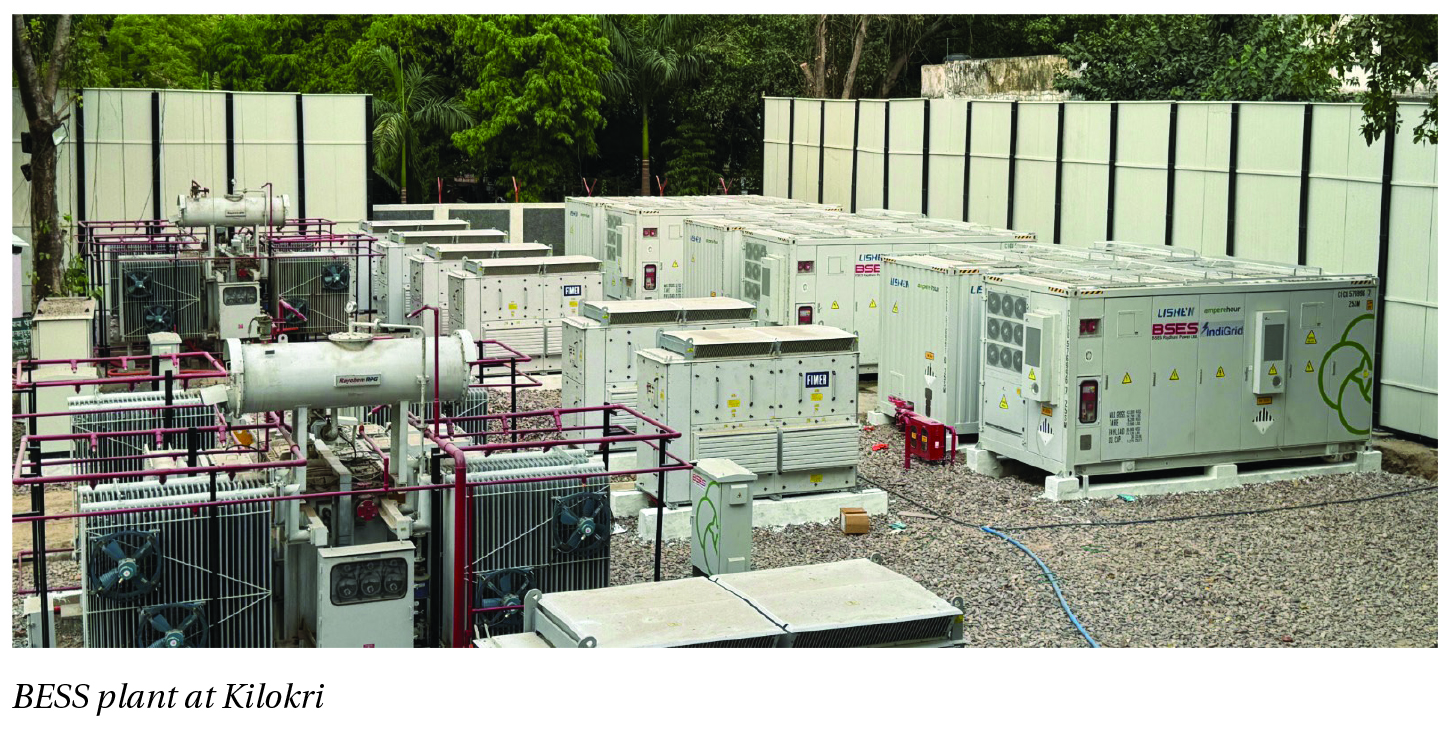
A major milestone has been the commissioning of South Asia’s largest stand-alone utility-scale 20 MW/40 MWh battery energy storage system (BESS) at Kilokri, which is a significant step for distribution-level energy storage in India. It demonstrates how storage can help manage peak demand, improve grid flexibility and enhance supply reliability in dense urban networks. We see this as an important template for the future.
We have also advanced decentralised storage initiatives through the community BESS project, which highlights the potential of neighbourhood-level energy storage to strengthen local reliability, support distributed energy integration and create more resilient urban power systems. BRPL is also one of the selected three discoms in the country for India Energy Stack-linked peer-to-peer energy trading pilot initiatives, reflecting our continued focus on innovation and next-generation consumer energy models.
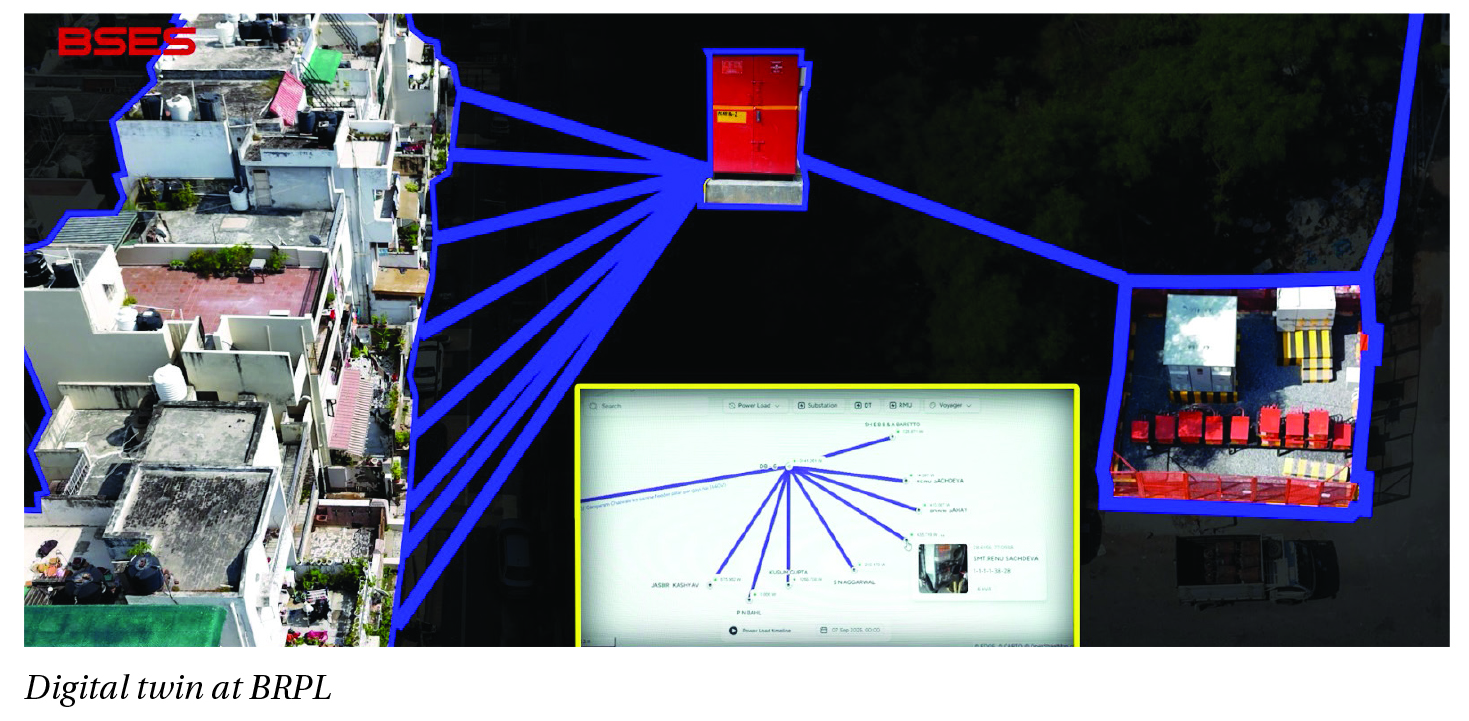
We have also continued to modernise the grid through advanced technologies such as the digital twin of the network, AI-enabled monitoring and predictive maintenance tools. In parallel, we added nearly 160,000 new consumers during the year, while maintaining high service standards. Our larger objective remains clear–to build a utility that is dependable today and future-ready for tomorrow.
 How has BRPL’s operational and financial performance evolved recently?
BRPL has continued to deliver stable operational and commercial performance despite rising demand and increasing system complexity.
During summer 2025, we successfully met a peak demand of 3,803 MW, while maintaining a supply reliability of over 99.9 per cent. This reflects disciplined planning, continuous network strengthening and robust operational readiness. We are also making greater use of forecasting tools, power banking arrangements and market-based procurement to optimise costs and improve supply security.
On the commercial side, we have sustained near-100 per cent collection efficiency, while over 94 per cent of the consumer transactions are now digital. That shift has improved convenience, efficiency and engagement. BSES was also awarded an A+ rating in REC’s Consumer Service Rating of Discoms, reaffirming our position among the country’s leading utilities.
What are the key operational and financial challenges faced by BRPL today, especially in a dense urban distribution environment?
Urban distribution utilities operate in a uniquely demanding environment. Demand in cities is growing not only in volume, but also in complexity. We are seeing sharper summer peaks, rising winter demand and increasingly dynamic consumption behaviour.
At the infrastructure level, land scarcity, right-of-way constraints, high load density and the need to upgrade systems without disrupting consumers make execution more challenging than in less dense geographies.
At the same time, utilities must balance reliability, affordability and sustainability. Renewable integration, rooftop solar growth, EV charging expansion and digitalisation are all positive trends, but they require a more flexible, intelligent and investment-ready grid.
Financial sustainability across the sector is equally important, because the pace of transition will depend on the sector’s ability to keep investing in modern infrastructure.
What digitalisation and automation initiatives has BSES undertaken to enhance efficiency and consumer service?
Digitalisation is central to the future of power distribution and BSES has been investing consistently in this space.
One of our flagship initiatives is the digital twin of the network, which enables real-time visibility, smarter planning, outage simulation and faster decision-making. By integrating systems such as SCADA, GIS, IoT and field data, we are moving towards a more predictive operating model.
We are also deploying AI and machine learning for load forecasting, transformer health monitoring, anomaly detection and preventive maintenance. In parallel, drone-based inspections are helping us monitor critical assets more safely and efficiently.
For consumers, digitalisation has transformed service delivery. Today, most transactions are digital and a wide range of services are available through mobile, web, WhatsApp and self-service platforms. Our aim is to make utility engagement seamless, transparent and responsive.
 How is BSES positioning itself in the context of the energy transition, including renewable integration, rooftop solar and EV adoption?
We see the energy transition as a present opportunity, not a future concept. BSES is, therefore, positioning itself as a green and digitally enabled utility, capable of supporting cleaner energy choices at scale. Our renewable energy portfolio has grown significantly and now accounts for a substantial share of our procurement mix. We are also seeing encouraging momentum in rooftop solar, where consumers are becoming active participants in the transition.
Electric mobility is another important focus area. We are supporting EV growth through charging infrastructure readiness across our network and by preparing the grid for future mobility demand.
The Kilokri BESS project is highly relevant in this context, as storage will play a critical role in balancing renewable energy and future load patterns. We also see strong long-term potential in emerging models such as peer-to-peer energy trading, and are proud to be among the three discoms selected nationally for India Energy Stack-linked pilot initiatives in this space.
What are the company’s top strategic priorities and planned investments over the next three to five years?
Our priorities over the next three to five years are clear. First, we will continue strengthening network resilience through modern substations, undergrounding where appropriate, and climate-ready infrastructure.
Second, digitalisation will remain a major focus area. This includes smart metering, grid automation, analytics, cybersecurity and the expansion of digital twin capabilities across operations.
Third, we will continue supporting the clean energy transition through higher renewable integration, additional storage systems, rooftop solar enablement and EV ecosystem readiness.
Finally, customer experience will remain central to our strategy. Consumers increasingly expect utilities to be seamless, proactive and transparent and we see that as an opportunity to continuously raise service standards.
The views expressed in this interview are personal and may not necessarily represent those of BSES