

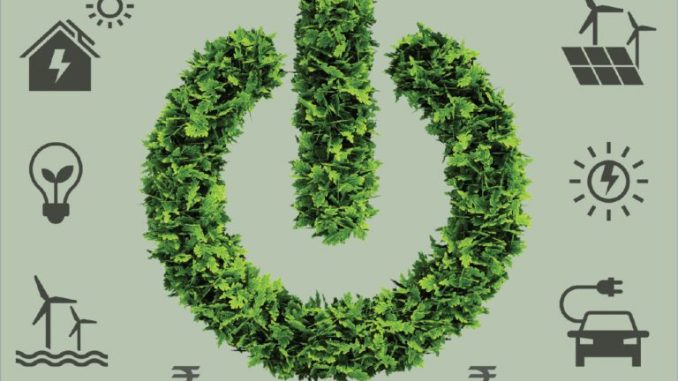
In the Union Budget 2024-25, the finance minister announced key measures to achieve net zero by 2070. The budget focuses on green growth. As per the budget viability gap funding will be provided for harnessing offshore wind energy potential for initial capacity of 1 GW. Additionally, coal gasification and liquefaction capacity of 100 mt will be set up by 2030. This will also help in reducing imports of natural gas, methanol, and ammonia. In the EV space, the government will expand and strengthen the e-vehicle ecosystem by supporting manufacturing and charging infrastructure. Greater adoption of e-buses for public transport networks will be encouraged through payment security mechanism. Moreover, through rooftop solarisation, 10 million households will be enabled to obtain up to 300 units free electricity every month. Another announcement was a corpus of Rs 1 trillion will be established with 50 year interest free loan. The corpus will provide long-term financing or refinancing with long tenors and low or nil interest rates. This will encourage the private sector to scale up research and innovation significantly in sunrise domains.
Here is a quick summary of reactions to Union Budget 2023-24 from power sector leaders….
Pratik Agarwal, Managing Director, Sterlite Power
The budgets emphasis on research and development (R&D) is path-breaking. The substantial Rs 1 trillion corpus, paired with a 50-year interest-free loan, presents a significant incentive for the private sector to scale up R&D investments in sunrise domains. Implementation here will be the key to realising the full potential of this opportunity.
Preeti Bajaj, Chief Executive Officer, Luminous Power Technologies
The focus on solar initiatives in the interim budget, led by Hon’ble Finance Minister Nirmala Sitharaman, is a great move toward promoting green energy. Solar power not only ensures household electricity access but also aligns seamlessly with our enduring commitment to environmental sustainability. The ‘Panchamrit’ goals highlight the government’s dedication to strengthening resource-efficient growth, thereby supporting energy security in terms of both availability and affordability. The visionary approach of rooftop solarisation benefiting 10 million households is noteworthy, reflecting a holistic vision for a sustainable future. Also, the commitment to creating employment opportunities for the youth, particularly those with technical skills, resonates deeply with our objective of cultivating a skilled and empowered workforce in the energy sector. In essence, these initiatives collectively set the stage for a transformative and sustainable energy landscape, aligning with our vision for a greener and brighter tomorrow.
Ishver Dholakiya, Managing Director, Goldi Solar
We commend the Government of India for its 2024-25 forward-looking budget. At Goldi we welcome government’s initiative to offer 300 units of free electricity a month to thousands of households to promote rooftop solar. This will provide every household an annual savings of Rs 15,000 – 18,000 and will be a catalyst to spur renewable sector growth. While we eagerly await more positive announcements related to manufacturing, imports, and technological advancements in the July budget, we thank our government for its relentless efforts to make India a global leader in responsible economic development.
SN Goel, Chairman and Managing Director, Indian Energy Exchange
The budget promises unprecedented growth for India in the coming five years, focusing on the growth pillars of green energy and infrastructure development. It has laid the foundation for a resilient and sustainable energy future. The rooftop solarisation program which aims to provide 300 units of free power every month to 10 million houses along with an opportunity to sell surplus energy to discoms will take the solar energy program to the grassroots level and will lead to substantial savings for households. Additionally, the policy mandating phased blending of compressed biogas for compressed natural gas and piped natural gas will help in greening the gas supply chain.
Amit Jain, Chief Executive Officer and Country Manager India, ENGIE
Though an interim budget, the government must be applauded for placing a focus on infrastructural development, which will play a crucial role in further bolstering the envisaged green growth of the government. Prime Minister Narendra Modi’s government has ensured energy security, and the budget presents a blueprint for working towards accessibility, affordability, and availability, as part of the vision of Amrit Kaal.
The introduction of viability gap funding for harnessing offshore wind energy potential, with an initial capacity of 1 GW, aligns with the expectations of the renewable energy sector and contributes to the overall vision of sustainable growth. The budget now presents the roadmap to explore the wind energy beyond the coastline.
ENGIE is eager and prepared to actively participate in and support this transformative move towards cleaner and more affordable energy solutions.
Girishkumar Kadam, Senior Vice President & Group Head – Corporate Ratings, ICRA Limited
The budget’s focus on measures on green energy continues to reinforce the commitment towards achieving energy transition in the long run. The viability gap funding scheme for 1 GW offshore wind energy projects is expected to improve its cost competitiveness and will further aid the renewable capacity addition in the long run. Further, measures for the promotion of roof-top solar remain positive for the renewable sector. Also, the higher budgetary allocation for reform linked distribution capex scheme will aid the state discoms to augment their infrastructure and improve operational efficiencies. Given the abundant coal reserves in the country, the stated intent to implement a 100 mt coal gasification and liquefaction facility will benefit the chemical sector through improved domestic synthetic natural gas availability and lowering the import dependency on ammonia and methanol in the long run. Further, the proposed expansion of nano DAP application in all agro-climatic zones would benefit the fertiliser sector through lower imports as well as subsidy requirements. This apart, the mandatory use of compressed biogas in compressed natural gas and piped natural gas is a step in the right direction to meet the growing requirements of natural gas in the country and is also expected to benefit the entities in the city gas distribution sector through lower dependency on imported liquefied natural gas.
Kush, Chief Executive Officer, Essar Power
The interim budget 2024-25 has laid a foundation to propel towards reliable, cleaner, greener, and sustainable energy. The government’s commitment to providing free rooftop solar electricity to 10 million households, signifies a strategic move towards resource-efficient economic growth. This initiative not only ensures energy security but also stimulates entrepreneurship and employment in the evolving renewable energy landscape.
Rajiv Ranjan Mishra, Managing Director, Apraava Energy
The interim budget 2024, presented by Finance Minister Nirmala Sitharaman, continues on India’s path of fiscal consolidation. It aims to lay the foundation for a Viksit Bharat by focusing on inclusive growth, and sustainability. Underlining this priority, the government’s focus on encouraging skilling, health, energy security, micro, small and medium enterprises (MSMEs) growth, as well as the increased capital expenditure by 11.1 per cent, will position the nation as a manufacturing hub and an investor-friendly country. On sustainability, the government’s commitment to achieving its net zero target is commendable. To this effect, the viability gap funding for harnessing offshore wind energy potential for an initial capacity of 1 GW will help the sector step up its pursuit of developing wind assets that will contribute to the nation’s net-zero and energy security goals. The importance placed on electric vehicle infrastructure and green energy will also drive the nation towards a more sustainable future and green Amrit Kal.
Neerav Nanavaty, Chief Executive Officer, BluPine Energy
India’s commitment to rooftop solarisation and harnessing offshore wind energy marks a pivotal step towards a sustainable future. The 10 million households benefiting from rooftop solar will not only experience freedom from electricity bills but also actively contribute to the nation’s green energy landscape. The provision of viability gap funding for offshore wind energy underscores a visionary path to achieving net zero by 2070. BluPine Energy applauds these initiatives as they align with our mission to drive innovation and transformative change in the renewable energy sector, and the profound impact they will have on our nation’s renewable energy landscape and our collective responsibility towards a greener, more sustainable future.
Sharad Pungalia, Managing Director and Chief Executive Officer, Amplus Solar
The budget announcements towards renewable energy showcase a progressive approach by the government. Specifically, the initiatives aimed at promoting rooftop solarisation signal a strategic framework to leverage India’s substantial residential market for renewable energy adoption. Additionally, the announcement of viability gap funding for offshore wind energy projects, with a focus on capacities up to 1 GW, is a welcome move. This provision addresses a critical need in propelling the growth of offshore wind energy which had gone on a flat trajectory in last few years.
While the demand market has been incentivised, relaxations in import taxes would have parallelly helped the generators achieve the targets associated with the rise in energy demand till local manufacturing stabilises.
Venkatesh R., Managing Director and Director Energy Business, Wartsila, India
India has pledged to achieve net zero emissions by 2070. The country has a target of 500 GW of renewable energy capacity by 2030. The urgency of the situation is unequivocal, and the solution is equally clear: we need to triple renewable energy and require a seismic change in the level of investment – up to USD5.7 trillion per year by 2030 – to put us on course for the 1.5C Paris Agreement scenario. The announcements made in budget 2024 are encouraging steps in the right direction. Hon’ble Finance Minister has allocated significant resources to bolster the green energy sector, with a focus on harnessing India’s vast offshore wind energy potential. The emphasis on ‘Green Growth’ underscores the holistic approach, recognising the integral role of environmental sustainability in economic development.
Wärtsilä’s recently launched its report – ‘Every Second Counts’ for India covers the three crucial principles for policy makers and the wider energy industry to follow when designing our future power systems: Firstly, we need to ensure that we are choosing the right technologies. The build out of wind and solar power must be matched with flexible grid balancing engines and energy storage to ensure the optimal, lowest cost power mix. Secondly, we must design our energy markets to support flexibility – for example creating capacity markets to ensure developers receive a return on their investment, even if a plant runs only intermittently to balance demand. And finally, we should introduce shorter timeframes i.e. using 15- or even 5-minute time resolution in the power market trading.
Deepak Sharma, Zone President, Greater India, Managing Director and Chief Executive Officer, Schneider Electric India
The interim budget provides a robust blueprint for Viksit Bharat. It comprehensively addresses all sectors of the economy, with a specific emphasis on fostering innovation, research, and entrepreneurship. Setting up a corpus of 1 trillion and providing 50-year low interest loan for tech-savvy youth will scale up research and innovation. The budget also demonstrates a noteworthy commitment to sustainability, particularly in the energy sector. Promotion of solar rooftop installations, provision of 300 units free power every month to 10 million households, mandatory blending of compressed biogas with compressed natural gas and piped natural gas, and incentives for offshore wind energy will ensure energy accessibility, affordability, and availability. There is also a noteworthy focus on strengthening of the electric vehicle (EV) ecosystem by supporting the charger manufacturing infrastructure. Increasing the no of EV buses on the roads is a welcome environmentally friendly step.
Union budget stresses on accelerating infrastructure development in cities to cater to the growing population needs. The affordable housing scheme for middle class will help in improving their living standards. Steps like expansion of urban infrastructure with metro rail, NaMo Bharat Trains and expansion of existing airports under UDAAN scheme will ease commute and boost connectivity.
Viral Thakker, Partner and Sustainability leader, Deloitte India
The Government of India’s interim Union Budget sustainability measures are timely, and indicative of a forward-looking and responsible approach towards building a resilient and environmentally conscious nation. The ‘Rooftop Solarization and Muft Bijli’ initiative, in pursuit of ‘net-zero’ emissions by 2070, will also unlock annual savings from free solar electricity and the sale of surplus to distribution companies, electric vehicle charging, entrepreneurial opportunities for many vendors, and employment prospects for technically skilled youth. Other multifaceted efforts, including several other green energy measures, such as funding for offshore wind energy, setting up a coal gasification capacity, mandatory blending of compressed biogas in natural gas for transport, and piped natural gas for domestic purposes, financial support for biomass aggregation machinery to ensure efficient energy collection, are a welcome step in the right direction. The launch of the scheme for restoration and adaptation measures, and coastal aquaculture and mariculture, under the “Blue Economy 2.0”, will support climate risk mitigation and create sustainable livelihoods while safeguarding our marine ecosystems.
N Venu, Managing Director and Chief Executive Officer, Hitachi Energy India and South Asia
The Finance Minister’s interim budget speech charts a progressive outlook for the entire economy, with a focus on keeping all growth levers intact for sustainable, inclusive growth for all.
Starting from fiscal consolidation by aiming to reduce the deficit and better tax collection, along with strategic futuristic investment lays the foundation strong economic growth for the new financial year. To boost India’s role in today’s redefined globalised world, the budget deploys a 360 degree method – regulatory, financial and advisory support to small and medium enterprises, long-term financing at close to zero interest for private sector R&D and innovation in sunrise sectors and establishment of the three economic rail corridors (energy, cement and mines; ports and high traffic density) under the PM Gati Shakti program. The last will not only improve logistics efficiency but also contribute to reducing overall transportation costs.
We commend the government’s steadfast commitment to environmental sustainability and the ambitious goal of achieving ‘Net Zero’ by 2070. The focus on supporting offshore wind energy through viability gap funding and developing coal gasification and liquefaction capacity demonstrates a proactive approach to diversifying our energy sources. Furthermore, rooftop solar that taps into our populace and payment security mechanisms to incentivise city and state transport to adopt EV buses will help create a robust, sustainable renewable ecosystem.
Overall, we feel the interim budget can provide the required impetus to maintain sustainable growth across sectors.
Nawneet Vibhaw, Partner, Environmental Law, Shardul Amarchand Mangaldas & Co.
Rooftop solar: The focus on rooftop solarisation to ensure free electricity of up to 300 units for 10 million households is a very innovative and significant step. It will serve as an example and pave the path for millions of Indian households to emulate this in future thus strengthening our resolve and enhancing our pace to achieve our net-zero targets by 2070. The overall focus on resource efficiency and sustainable development as our strategy for ‘Amrit Kaal’ is a welcome step which will be aptly supported through initiatives like biodegradable plastics, development of electric vehicle infrastructure and developing climate resilience through a robust blue economy.
Environment: Resource efficiency and sustainable development are key to our economic development and strategy for ‘Amrit Kaal’. The focus of the interim budget on rooftop solarisation, biodegradable plastics, development of electric vehicle infrastructure and developing climate resilience through a robust blue economy are all steps in the right direction to achieve ‘net-zero’ by 2070.
Mahesh Viswanathan, Chief Finance Officer, Finolex Cables
The Union Budget 2024 strategically addresses key aspects with its focus on rooftop solarisation through the Muft Bijli initiative. This move not only aligns with the global trend towards sustainable energy but also marks a significant stride in empowering 10 million households with up to 300 units of complimentary electricity monthly. As a prominent player in the electrical cables industry, Finolex Cables is enthusiastic about contributing to this transformative initiative by delivering top-notch products that bolster and elevate solar infrastructure. The government’s commitment to fostering inclusive and sustainable development, encapsulated in the ‘Reform, Perform, and Transform’ mantra, deeply resonates with our business principles. We eagerly anticipate engaging with the government and collaborating with stakeholders to build consensus, steering the nation toward the implementation of next-generation reforms that foster robust growth.
The focus on MSMEs aligns seamlessly with Finolex Cables’ pivotal role in supporting infrastructure development. Furthermore, the budget’s acknowledgment of the housing sector, exemplified by initiatives such as the Pradhan Mantri Awas Yojana and the Housing for Middle-Class scheme, sets the stage for Finolex Cables to make substantial contributions to the nation’s infrastructure landscape. In essence, the budget appears poised to cultivate an environment conducive to Finolex Cables’ success, positioning us to play a crucial role in driving the country’s economic growth.
Further, we at Finolex Cables Limited welcome the government’s prudent fiscal approach, as reflected in the reduced borrowing outlined in the interim budget. The resultant decline in bond yields is a positive signal, offering an advantageous environment for the private sector. Lower interest rates on bonds present a lucrative opportunity for companies like ours, as it facilitates the expansion and growth of businesses. This move is not just beneficial for private enterprises but is a commendable stride towards fostering economic development and strengthening the nation’s financial landscape.
Manish Dabkara, Chairman and Managing Director EKI Energy Services Limited and President Carbon Markets Association of India
As a leading player in the global environmental sector, we at EKI Energy Services commend the Indian government’s forward-looking and comprehensive approach to climate action and sustainable development, as outlined in the Union Budget for 2024-25.
The focus on leveraging green energy, including the initiative for rooftop solarisation to provide 300 units of free electricity monthly to 10 million households, not only promises significant savings for the Indian populace but also aligns with the global mandate towards achieving net zero emissions. Integrating it with the carbon credits mechanism, which are under development in the country, this will prove to be feasible for its own funding.
The allocation of a Rs 1 trillion corpus for interest-free financing for R&D in sunrise domains – the emerging industries of innovation likely to grow rapidly will prove a milestone in climate action of India. The advancement of electric vehicles policies related to infrastructures especially and the development of a green energy infrastructure underscore a pivotal shift towards sustainable economic growth.
The emphasis on coal gasification and liquefaction, alongside the innovative measures for biomass and compressed biogas, marks a critical step in reducing dependency on imports and fostering energy security. It will reduce the upstream supply chain uncertainties for entrepreneurs working on biofuel manufacturing making this country energy and carbon secured.
Viability gap funding for 1 GW offshore wind energy exemplifies India’s commitment to renewable growth and marrying economic development with environmental care.
The government’s investment in the blue economy and bio-manufacturing demonstrates a holistic approach to leveraging India’s natural resources responsibly.
We are excited about the entrepreneurship and employment opportunities these initiatives will generate while aggressively working for the planet and are fully committed to supporting India’s journey towards a sustainable and resilient future.
Apurve Goel, Director, Kundan Green Energy
We see the Union Budget 2024 highlights as progressive from the renewable energy and climate change mitigation perspective.
My submission for the government to consider, is the viability gap funding and overall availability of green finance for renewable energy, especially hydropower. Building a hydel plant typically costs two to three times more capital than solar or wind. Similarly, the gestation period is longer. This means that hydel plants are capital intensive and require a more robust and longer haul commitment. While cost inflations are a natural outcome, developers also need to mitigate these by factoring in anticipated increases into project costs and minimising over-runs through optimal use of resources coupled with speed and tight timelines. A friendlier and more accessible fiscal ecosystem, including easier insurance, will help energise this critical renewable energy generation category.
Suhas Baxi, Co-Founder and Chief Executive Officer, BioFuelCircle
The Honourable Finance Minister’s mention in the interim budget 2024 of providing financial assistance for the procurement of biomass aggregation equipment addresses one of the biggest bottlenecks in the green energy supply chain. This will now help create strong rural enterprises focused on the bioenergy sector.
We are also excited to hear about the initiatives that the government has planned for the growth of biofuel adoption through the proposed phased mandatory blending of compressed biogas.
BiofuelCircle’s commitment towards the creation of a dependable supply chain for bioenergy and the facilitation of dynamic market-based participation to drive scalability of the bioenergy sector is unwavering and we look forward to contributing significantly to India’s journey towards sustainability.