

In the pursuit of sustainability-linked growth, there is an emerging shift in the boardrooms and the strategy discussions of Indian companies, wherein energy cost is now being linked with the non-fossil component of energy being sourced, and carbon emission numbers are now taking centre stage. Having started in the nascent stage during the pre-pandemic era, concepts of energy efficiency, net zero, carbon neutrality and round-the-clock (RTC) renewable energy sourcing are now the primary requirements of an informed commercial and industrial (C&I) customer. The Green Energy Open Access initiative by the Ministry of Power and the European Union’s Carbon Border Adjustment Mechanism (CBAM) rules have acted as catalysts for faster traction.
As the global discourse on climate action gains momentum, this article delves into the significance of the principles and how they can profoundly benefit stakeholders at large.
There has never been a more exciting time for the energy sector in India. Reflecting upon a year marked by a blend of challenges and opportunities, and driven by a continuing surge in power demand, consumers are looking towards captive renewable energy generation and RTC renewable energy supply. The traditional models of energy procurement with their hitherto singular focus on cost savings are undergoing a paradigm shift. The spotlight is now on innovative approaches that not only meet the ever-growing varied energy needs but which also foster sustainability and efficiency, enabling a holistic focus on energy services and identifying solutions for the dynamic energy value chain in its entirety. This has nudged industry players to explore and identify concepts for reshaping the consumption and management of energy.
The energy markets in India and abroad are poised for further maturity and transformation, given the recent developments and ever-increasing share of renewables in the energy mix.
The broad elements on which consumers are now focusing include optimised sourcing and procurement, reliable energy supply, efficient energy usage, empowerment through the digitalisation of the energy flow, and compliance with environmental, social and governance requirements. Targets set by national and international policymakers and regulators, such as the 500 GW renewable energy target by 2030, net-zero targets, renewable purchase obligation and energy storage obligation targets, and the establishment of a national carbon market framework in India, are primarily responsible for this shift in focus from energy cost to energy solution requirements. Beyond energy utilisation, energy services now make more sense for consumers from a commercial standpoint. Employing these aspects directly affects the bottom line of the firm, translating to lower costs, higher margins and greater acceptability of the end products in the market, with the end customer willing to pay a premium for products that have an element of “green” and “sustainability” attached to it.
According to data from the RE100 website, globally, from over 400 C&I customers, more than 150 have a presence in India. These entities have approximately 17 billion kWh of electricity consumption pledged to the RE100 target. Newer regulations such as the Energy Conservation (Amendment) Act, 2022, the Carbon Credit Trading Scheme and Green Energy Open Access have provided incentives to promote the efficient usage and integration of energy with renewable energy in the C&I space.
The traditional models of energy procurement with their hitherto singular focus on cost savings are undergoing a paradigm shift.
The future looks brighter, owing to the emergence of flexible technologies and ensuing innovations in business models. Cutting-edge technologies such as internet of things (IoT), edge computing, cloud connectivity, peer-to-peer trading, distributed energy resources, blockchain and artificial intelligence rapidly entering the fray of energy services signal the need for development, manufacturing and distribution efficiencies, paving the way for affordable solutions.
The immense potential of big data, unlocked by the continuum of data acquisition and data analytic capabilities, has ensured the strong foothold of energy service companies and energy utilities. The energy markets in India and abroad are poised for further maturity and transformation, given the recent developments and ever-increasing share of renewables in the energy mix, presenting another large-scale opportunity for energy market players.
The International Energy Agency suggests that the broad adoption of Mission Lifestyle for Environment’s (LiFE) principles could slash emissions by one-fifth and potentially save an astounding $440 billion by 2030. The relatively less energy-intensive manufacturing sectors, such as food and textile manufacturing, are the low-hanging fruits, with pumps and motor-driven systems becoming more efficient. In the building sector, the largest opportunities for energy savings arise from heating, ventilation and air conditioning systems, lighting appliances, etc.
Energy-as-a-service (EaaS) presents a comprehensive suite of services tailored for C&I customers, encompassing a spectrum of energy-related offerings. This holistic package is designed to optimise efficient energy usage through innovative demand-side management initiatives such as load shifting, equipment utilisation, efficiency monitoring and IoT-driven automation. In addition to promoting energy efficiency, the solution integrates behind-the-meter generation, contributing to reduced emissions and aligning with environmental sustainability goals. The incorporation of energy-efficient pumps and heating units further enhances the overall energy performance. Moreover, the system ensures adherence to CBAM regulations, demonstrating a commitment to compliance and responsible energy practices. This holistic approach not only addresses the immediate energy needs of C&I customers but also aligns with broader environmental objectives and regulatory requirements.
Embracing sustainability, achieving net zero and navigating the intricacies of CBAM are not just environmental 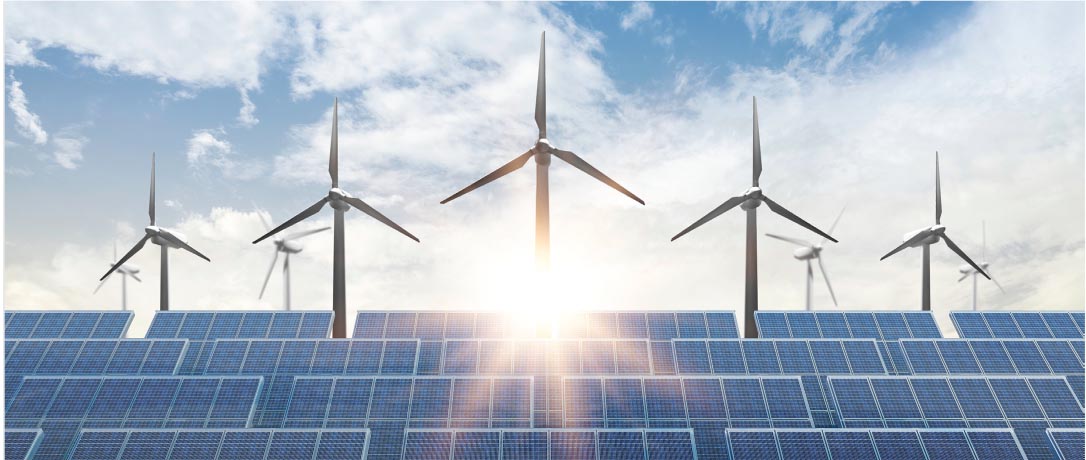 imperatives but potent strategies for success in a rapidly evolving business landscape. For C&I customers, especially those with export-oriented portfolios, these principles not only pave the way for a greener planet but also offer tangible benefits in terms of efficiency, competitiveness and enhanced stakeholder trust.
The global energy and utilities landscape has evolved tremendously, and it has become imperative for industries to optimise processes. To power growth and complement C&I customers, power sector players must step into the shoes of their consumers with the objective of providing a bespoke, customised business model around the EaaS framework. The convergence of the latest technologies and innovative business models forms the basis for a favourable ecosystem, supported by evolving factors such as policy, financial and social interventions to enable utilities and energy service providers to play their parts in the nation’s energy transition journey.
Today, Tata Power is leading by example, positioning itself as a major player in sustainability. It has gradually transformed into a new-age, sustainable, technology-oriented and customer-centric green energy solutions company. This journey towards sustainability is no longer a choice; it is a strategic imperative for businesses in India, propelling them towards a brighter and more resilient future.
Embracing sustainability, achieving net zero and navigating the intricacies of CBAM are not just environmental imperatives but potent strategies for success in a rapidly evolving business landscape.