
 Dr Rajesh Kumar Arora, Senior Manager (Technical), Delhi Transco Limited
In today’s modern society, we are highly dependent on electrical power for our daily needs and comfort. Whether at home or in the workplace, we rely on numerous appliances and gadgets.
However, incidents of electrocution and electrical fires in residential and commercial buildings, public spaces, distribution transformers and substations are reported daily. These tragedies compel us to reflect on their causes, as they result in the loss of both lives and property.
Electrocution, electrical fires and lightning claim approximately 15,000 lives annually. Additionally, around 75,000 people are affected by these incidents, resulting in loss of property, shattered dreams, and the emotional and financial toll that follows these incidents.
According to the National Crime Records Bureau, nearly 100,000 people have died from electrocution in the past decade alone. This equates to an alarming average of 12,500 fatalities per year or roughly 30 deaths per day. Referring to these 30 daily electrocution deaths in India as mere “accidents” is misleading, as it absolves stakeholders from accountability and overlooks the preventable nature of these tragedies.
This paper provides an in-depth analysis of the various causes of electrocution and fire hazards across different locations, highlighting the need for preventive measures to mitigate such risks.
Causes
Electrocution and electrical fires in electrical installations may be broadly caused by:
- Over currents (overloads and short circuits)
- Harmonics
- Earth fault
- Electric arcs in cables and loose connections
- Failure or wrong selection of protection devices
- Wrong selection of cables or wires
- Mismatch between illumination fitting ratings and lamps used
- Use of extension cords for heaters or any other heavy loads
- Use of outlived (outdated) or damaged equipment
- Overvoltages (lightning) and arcing ground
- Consumers transitioning to prosumers
- Inadequate design for earthing/grounding
- Improper or no verification and testing (commissioning or periodical)
Role of adequate earthing/grounding
Grounding/earthing refers to establishing a connection to the general mass of the earth. The use of grounding is so widespread in an electric system that earth connections are made at practically every point, from the generators to the consumers’ equipment.
There are two types of grounding:
- Neutral grounding
- General (equipment) grounding
The objectives of general grounding systems include:
- To provide a low resistance return path for fault current, thereby protecting both working staff and equipment installed on the premises.
- To prevent dangerous ground potential rise (GPR) with respect to remote ground during fault conditions.
- To provide a low resistance path for power system transients such as lightning and overvoltages in the system.
- To ensure uniform potential bonding/zone of conductive objects within a substation to the grounding system, preventing the development of dangerous incidences between objects and the earth.
- To prevent the building up of electrostatic charge and discharge within the substation, which may result in sparks.
- To allow sufficient current to flow safely for satisfactory operation of protection systems.
 Short circuits in the electrical system
Electrical fires often occur in the residential sector because many people fail to consider the rating of the appliances when placing or connecting them. As individuals, most of us are unaware of the parameters to consider while purchasing a product. The only thing that people look for is cost-effectiveness, which in turn leads to extreme situations resulting in electrical fires. A major cause of electrical fires in low-voltage systems is short-circuiting, where current flows through an unintended path.
A short circuit occurs when there is an abnormal connection between two nodes of an electric circuit that are intended to be at different voltages. This results in an electric current limited only by the equivalent resistance of the remaining network, which can cause circuit damage, overheating, fire or explosion.
This high current generates high heat, and the presence of fuel or other flammable materials may result in a fire hazard, as cautioned by the fire triangle.
A short circuit occurs mainly due to the degradation of insulation. As the wire ages, its insulation degrades, increasing the risk of short-circuiting, which may ultimately lead to fire.
Electrical safety at public places
Public places, such as schools, hospitals, shopping malls and recreational facilities, accommodate large numbers of people, making electrical safety paramount. Electrocution in public places is evidence of power companies and governments cutting corners. Ensuring safety would require discoms to bury all high-tension cables underground. However, power companies resist this due to the associated costs and the direct impact on electricity tariffs.
The causes of electrocution and fires in public places are discussed below:
Ageing infrastructure: Older public buildings may have outdated electrical systems that are more prone to faults and failures, increasing the risk of electrical incidents.
Lack of maintenance: Inadequate maintenance of electrical systems and equipment in public facilities can lead to deteriorating conditions and potential hazards.
Overcrowding: Events or facilities that experience overcrowding may put a strain on electrical systems, increasing the likelihood of overloads and electrical fires.
Improper installation: Faulty installation of electrical systems or equipment in public places can create hazardous conditions that endanger occupants and visitors.
Vandalism or sabotage: Deliberate acts of vandalism or sabotage targeting electrical infrastructure in public places can result in electrocution hazards and fires.
Electrical safety at public gatherings and processions
Public processions and gatherings hold significant cultural, religious and social importance in India, often involving large crowds congregating on streets. However, amidst the fervour and celebration, safety concerns often take a backseat, leading to tragic incidents such as electrocution and fires.
Causes of electrocution
Improper wiring: Inadequate or faulty wiring setups are common during public events due to hasty installations or a lack of expertise. These setups may include temporary electrical connections that are not insulated properly, increasing the likelihood of electrocution if they come into contact with water or damp surfaces.
Overloaded circuits: The demand for electricity surges during festivals and processions due to extensive lighting arrangements, sound systems and other electrical paraphernalia. Overloading circuits beyond their capacity raises the risk of short circuits and subsequent electrocution hazards.
Poor maintenance: Existing electrical infrastructure often receives minimal maintenance, exacerbating risks during public gatherings. Ageing cables, corroded connections and neglected equipment pose significant threats when subjected to the additional strain of large-scale events.
Unauthorised installations: In the rush to set up for festivities, unauthorised installations by unqualified personnel are common. These makeshift arrangements bypass safety protocols, heightening the probability of accidents such as electrocution.
High-tension wires: High-tension wires, also known as high-voltage power lines, carry electricity over long distances at high voltages. These wires are typically installed on tall transmission towers or poles to ensure clearance from the ground and surrounding structures. However, during public processions, temporary structures such as stages, pandals (decorative tents) or banners may inadvertently come into contact with these wires, leading to catastrophic consequences.
Causes of electrocution due to high-tension wires
Inadequate clearance: Temporary structures erected for public processions often lack proper planning and supervision, resulting in insufficient clearance between the structures and overhead high-tension wires. Failure to maintain adequate distance increases the risk of accidental contact, especially when structures sway due to wind or crowd movement.
Ignorance and negligence: Organisers and participants may lack awareness about the dangers posed by high-tension wires or fail to recognise the potential hazards associated with erecting structures near them. Ignorance, coupled with negligence in adhering to safety guidelines, exacerbates the risk of electrocution incidents.
Lack of coordination: Coordination between event organisers, local authorities and power distribution companies is often inadequate, leading to the haphazard planning and implementation of safety measures. Failure to coordinate activities such as route planning, structure placement and crowd management increases the likelihood of accidents involving high-tension wires.
Encroachment and unauthorised construction: Encroachment on public spaces and unauthorised construction near high-tension wire corridors is a common phenomenon in many Indian cities and towns. Informal settlements, temporary shelters and makeshift structures often encroach upon the safety buffer zones around high-tension wires, heightening the risk of electrocution during public processions.
Electrical safety at industrial locations, generating stations and substations
Industries, generating stations and substations are critical components of electrical networks, but they also pose significant risks if safety measures are not strictly enforced. The causes of electrocution and fire in substations include:
High voltage exposure: Industries and substations contain high-voltage equipment that poses a severe risk of electrocution to untrained personnel or trespassers who come into contact with live components.
Equipment failure: Malfunctions or breakdowns of transformers, circuit breakers and other substation equipment can result in electrical arcs, sparks and fires.
Lack of proper enclosure: Unprotected or poorly enclosed panels or substations may expose electrical components to environmental factors such as moisture, debris and wildlife, increasing the risk of failures and fires.
Inadequate security measures: Substations that lack sufficient security measures are vulnerable to unauthorised access, which can lead to tampering, theft or vandalism that compromises safety.
Insufficient training: Workers at factories or substations must receive comprehensive training on electrical safety protocols and emergency procedures to mitigate risks effectively.
Recommendations
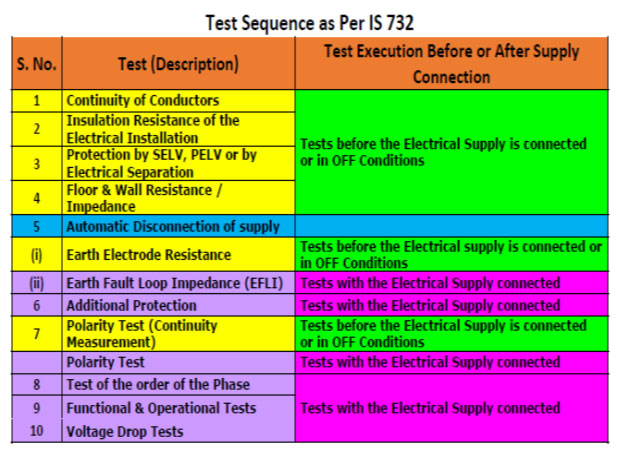
Regular maintenance and condition monitoring testing of all the equipment in the system must be carried out periodically to avoid any hazards. The list of tests to be conducted is summarised in the table below.
To ensure the safety and longevity of the electrical system, the following preventive measures should be followed:
Regular inspections: Conduct routine inspections of electrical systems, wires, outlets and appliances to identify any signs of wear, damage or overloading. Engage qualified electricians for these inspections.
Proper wiring and installation: Ensure all wiring and electrical installations comply with building codes and standards. Avoid calling unskilled personnel for electrical work and hire licensed professionals for installations and repairs.
Overload protection: Use circuit breakers, fuses and surge protectors to prevent overloading circuits. Distribute electrical loads evenly across circuits and avoid daisy-chaining power strips or extension cords.
Fire extinguishers and smoke alarms: Install smoke alarms in strategic locations and maintain them regularly. Additionally, equip buildings with appropriate fire extinguishers and ensure occupants are trained in their usage.
Clearance and ventilation: Keep electrical panels, equipment and outlets clear of obstructions. Adequate ventilation should be maintained around electrical appliances to prevent overheating.
Education and awareness: Educate residents, employees and the public about electrical safety practices, including avoiding water contact with electrical appliances, using appliances according to manufacturer instructions and reporting any electrical issues promptly.
Emergency preparedness: Develop and communicate emergency procedures for dealing with electrical incidents, including evacuation plans and emergency contact information.
Lightning protection: All buildings and locations must be assessed for lightning strikes and protection devices must be installed.
Prioritise safety: During public processions, prioritise safety by using insulated electrical equipment, securing cables to prevent tripping hazards and avoiding water contact. Regularly inspect all electrical setups and provide adequate supervision. Instruct participants to steer clear of electrical installations and report any hazards immediately. Ensure emergency response plans are in place, including the availability of trained personnel and extinguishing equipment. Conduct thorough risk assessments before each event and communicate safety guidelines effectively to all involved. Extra precaution should be taken during the rainy season or in places with water logging as these create a lethal environment and pose potential threat to people in the vicinity.
By implementing these recommendations, individuals and organisations can significantly reduce the risk of electrocution and fire hazards in various locations.