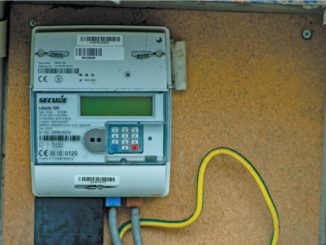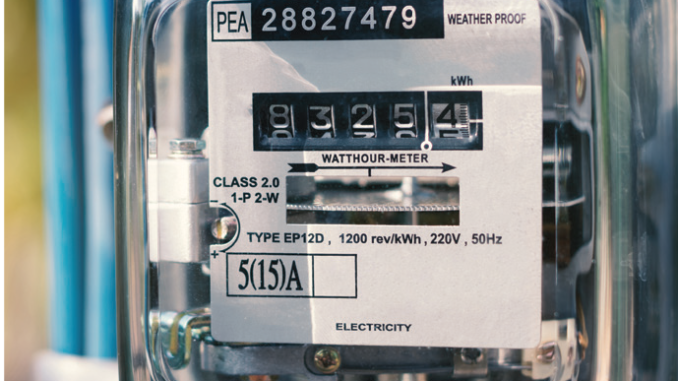
Smart meters are becoming a vital part of India’s plan to modernise its power system. With the aim to install 250 million smart meters under schemes like the Revamped Distribution Sector Scheme (RDSS), it is important to ensure that these meters work correctly, safely and smoothly with other systems. Smart meters help monitor electricity use in real time, support remote disconnection, and improve billing and energy efficiency. To perform these tasks well, meters need to be tested thoroughly before being rolled out.
To support this effort, the Central Power Research Institute (CPRI) has developed the Smart Meter Integrated Testing and Higher Analysis (SMITHA) – designed for Bharat Smart Meter Protocol Analysis (BSMPA). BSMPA sets common rules for how smart meters should communicate, ensuring they all work together, no matter the brand. SMITHA helps test smart meters under real-world conditions and checks how well they communicate, handle data securely and meet national standards.
Testing methods for smart meters
To ensure reliability, security and compatibility in smart metering systems, several key testing methods are applied before and after deployment. Functional testing verifies that meters operate as per design specifications by assessing accuracy, data transmission, display functions, power stability and environmental performance. This is done both in laboratories and in the field using tools like simulators and reference meters. Security testing evaluates the meter’s resistance to unauthorised access, tampering and cyber threats. It involves assessing encryption, authentication and data protection using techniques such as penetration and vulnerability testing to ensure cybersecurity compliance.
Interoperability testing ensures that smart meters can effectively communicate with other devices within the grid. It checks for protocol compatibility and seamless data exchange with systems like gateways, sensors and other meters using simulated real-world scenarios. Performance testing measures how smart meters operate under different load conditions. Key metrics include response time, data throughput, latency and power efficiency. Stress and load testing methods confirm the meter’s stability during peak demand or adverse conditions. Compliance testing verifies adherence to safety, legal and technical standards across the meter’s lifecycle. Conducted through inspections and certifications, it ensures regulatory conformity and quality assurance.
Emerging testing methods are being adopted in India under programmes like the Smart Meter National Programme and RDSS. Artificial intelligence (AI)-based anomaly detection is being used by discoms in states like Uttar Pradesh, Gujarat and Maharashtra to identify tampering and forecast failures. Automated testing systems, supported by the CPRI and the Electrical Research and Development Association, are streamlining test processes. Cloud-based testing, enabled by advanced metering infrastructure platforms, allows for remote diagnostics and updates. Additionally, digital twin simulations and edge analytics testing, though still emerging, offer advanced capabilities for grid simulation and localised performance validation.
Metering standards
Smart meter testing in India is governed by standards introduced by the Bureau of Indian Standards (BIS) to ensure accuracy, reliability and interoperability. Key among these are IS 16444 Part 1 (2015) Amendment 1 and IS 15959 Part 2 (2015) Amendments 1 and 2 for whole current single- and three-phase meters; and IS 16444 Part 2 (2017) and IS 15959 Part 3 (2017) for transformer-operated meters. Communicability tests are conducted as per IS 15959 Parts 2 and 3.
IS 16444 Part 1 outlines general requirements and tests for AC static direct-connected watt-hour meters (Classes 1 and 2), while Part 2 covers transformer-operated meters (Classes 0.2S, 0.5S and 1.0S). IS 15959 Parts 1 and 2 define protocols for data exchange, meter reading, load control and energy meter specifications.
As per Central Electricity Authority guidelines, the technical features of single-phase and three-phase smart meters include energy measurement, load limiting relay, bidirectional communication, tamper and power event detection, prepaid functionality (as per IS 15959 Part 2), remote firmware updates, time-of-day and optional net metering features. All meters must be BIS-certified under IS 16444 Part 1, with construction as per IS 16444 or IS 13779.
Communication must be secure and compatible with the head-end system using radio frequency, power line communication or cellular technologies as per IS 16444 Part 1. Meters must log and report tamper events, and support random inspections under a sampling plan in accordance with IS 16444 Part 1.
Moreover, the IS 15884 standard outlines the technical and operational requirements for prepayment meters, ensuring they operate accurately and consistently across various regions and utilities. To ensure reliability, these meters undergo a series of rigorous tests, including accuracy verification, electromagnetic compatibility, and safety assessments such as AC high voltage, impulse and insulation resistance tests. Additionally, tests for climatic influences and the robustness of the meter’s accounting process are conducted. These measures ensure that users can rely on the meter for fair and transparent readings, which supports better budgeting and energy management. Meters compliant with IS 15884:2024 are also equipped with enhanced security features to prevent tampering and unauthorised access. This safeguards users from potential fraud, incorrect billing or service disruptions. The standard further ensures protection against data breaches and unauthorised configuration changes, strengthening integrity in the metering system.
Further, under the RDSS, it is mandatory to include provisions for standardisation testing and quality certification as well as cybersecurity in metering-related contracts. All procurements must comply with the Indian government guidelines regarding the source of procurement.
SMITHA-BSMPA
The CPRI developed the advanced protocol testing platform, SMITHA, specifically designed for BSMPA. This development represents a crucial step toward ensuring standardised, reliable and secure smart metering systems across India under the Bharat Smart Meter Protocol framework.
BSMPA is a government-led initiative that mandates common communication protocols for smart meters to ensure seamless interoperability across various vendors and backend software systems. With millions of smart meters to be deployed under schemes like the RDSS, it is critical that all devices follow a uniform standard to prevent integration issues and communication failures. Recognising the necessity of rigorous testing for this large-scale initiative, CPRI introduced SMITHA as a tool to validate smart meter compliance with BSMPA requirements.
SMITHA is an integrated testing platform designed to test the protocol conformance, communication integrity and the backend system compatibility of smart meters. The platform simulates real-world communication conditions and evaluates how meters respond to different network scenarios. This includes testing for secure data transfer, decoding and interpreting message packets and analysing communication behaviour under various operational conditions. SMITHA supports both end-to-end communication checks and in-depth diagnostics, making it suitable for use by utilities, meter manufacturers and backend software developers.
A key strength of SMITHA is its robust capability to thoroughly analyse the complete communication stack associated with smart metering systems. From the data generated by meters to its interpretation by the head end system, SMITHA can test the performance and compliance of every link in the chain. It allows users to simulate multiple operational scenarios, such as stress conditions, packet loss and encryption validation, which helps ensure that meters can function reliably in the field. The platform also offers features like data packet capture and playback, enabling engineers to replay and analyse specific communication events to identify and troubleshoot errors.
Moreover, SMITHA plays a critical role in verifying the interoperability of smart meters from different manufacturers. As utilities increasingly rely on diverse sets of devices and software, the assurance that all systems can work together without conflict becomes essential. SMITHA ensures that any meter tested under its framework can communicate with any BSMPA-compliant HES or meter data management system. Given the increasing number of threats to digital infrastructure, smart meter communication must adhere to stringent cybersecurity standards. SMITHA enables the test-ing of secure communication protocols, including encryption and authentication methods mandated under BSMPA. This ensures that data transferred between meters and control centres is both accurate and protected against unauthorised access.
Challenges and the way forward
A key challenge in testing smart meters is the inadequate meter testing capacity, which results in significant delays. As the demand for smart meters continues to surge, testing facilities struggle to keep up due to limited resources and infrastructure.
Smart metering is key to India’s modern energy infrastructure, offering benefits like accurate billing, lower losses and improved grid stability. Realising these benefits requires the rigorous testing of meters for functionality, cybersecurity, interoperability, performance and compliance. Without standardised testing, projects risk failures, data breaches and poor user experience. CPRI’s development of SMITHA under BSMPA is a major step forward, enabling detailed, protocol-specific testing to ensure meters meet national standards, operate securely and integrate smoothly with backend systems – supporting reliable, large-scale smart meter deployment.
As India rolls out millions of smart meters, SMITHA not only improves testing efficiency but also strengthens the foundation for long-term success. It helps detect technical issues early, reduces the risk of field failures and supports the development of a secure, standardised and future-ready metering system. Overall, SMITHA is a key enabler of India’s smart grid plans, ensuring that the core components of this digital transformation are strong, secure and able to work together smoothly.
Akanksha Chandrakar