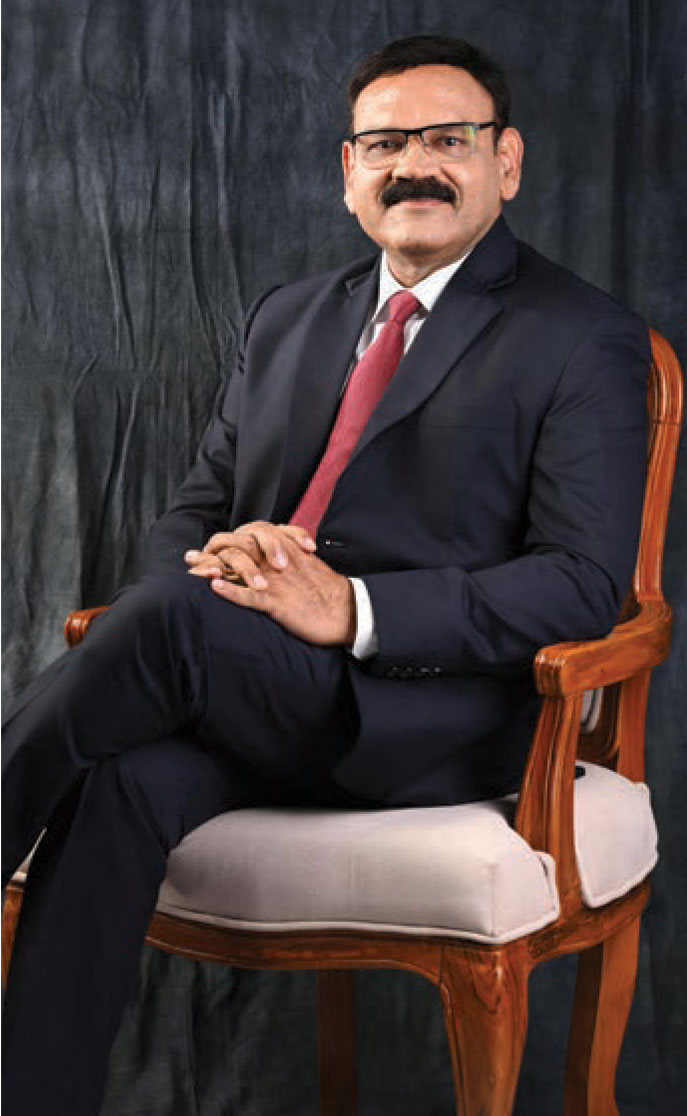
 In a recent interview with Power Line, Dr Yatindra Dwivedi, Director (Personnel), Power Grid Corporation of India Limited (POWERGRID), discussed the changing skill needs of the transmission sector, the challenges in workforce development and the company’s initiatives to bridge the talent gap. He also highlighted emerging competencies and shared his outlook for the transmission workforce. Edited excerpts…
What are the key manpower and skill needs and requirements of the power transmission segment? How have these evolved in the last few years?
The power transmission segment is witnessing a rapid shift driven by technology integration, Renewable Energy expansion and emerging offshore transmission projects – all of which are reshaping manpower and skill requirements. Traditionally, the focus had been on core electrical engineering competencies, grid operations, maintenance and safety. However, today we see a growing need for multi-disciplinary skills – combining electrical, digital and data-driven expertise.
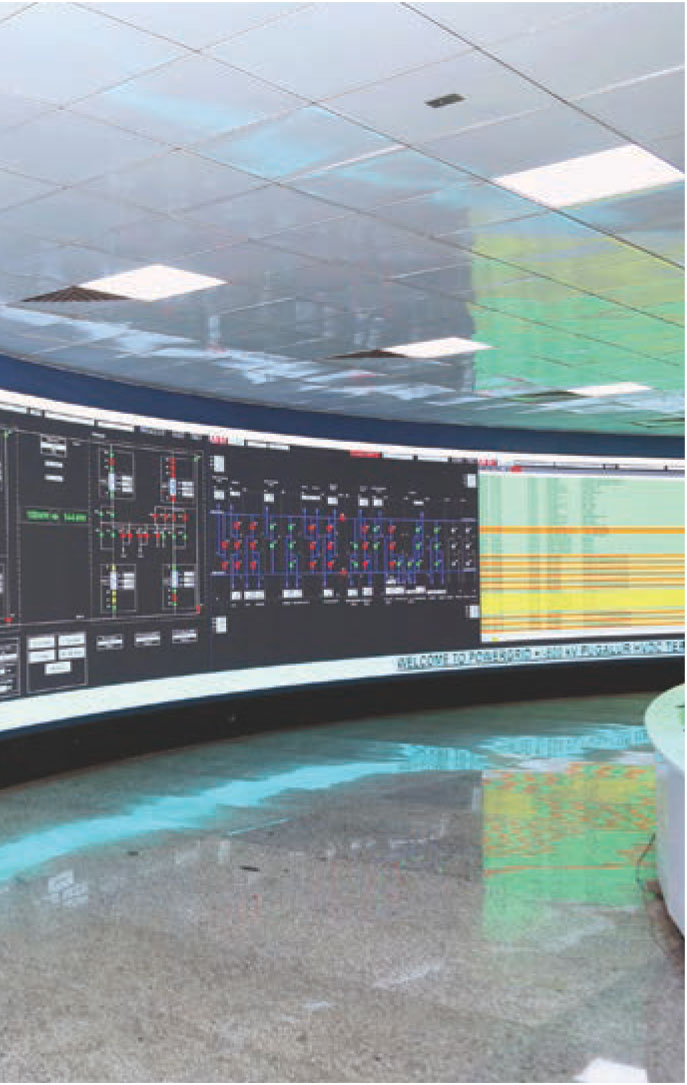
New projects demand competencies in Project Management, Real-Time Monitoring, Grid Analytics, Asset Management Systems, Cybersecurity, Supervisory Control and Data Acquisition, and High-voltage Direct Current (HVDC) operations. With the integration of renewables, energy storage and smart grid solutions, professionals now need to adapt to dynamic grid behaviour, decentralised power flow and real-time decision-making. Additionally, with the growth of offshore wind and subsea cable projects, specialised skills in offshore construction, marine operations and undersea cable laying/maintenance are becoming crucial.
 What are the major challenges in building and retaining a skilled transmission workforce?
There are three broad challenges:
- Availability of skilled manpower: The transmission sector is facing a shortage of adequately trained professionals, especially in emerging areas such as HVDC, smart grids, grid analytics and offshore transmission. The limited number of specialised training programmes and the slow pace of curriculum updates in technical institutions further widen the gap.
- Upskilling/reskilling: Rapid adoption of tech such as Artificial Intelligence (AI)/Machine Learning (ML) and automation creates a gap between current workforce capabilities and emerging needs. Continuous learning becomes crucial.
- Retention: The pressure to deploy in difficult terrains and remote project locations can affect long-term retention unless balanced with growth opportunities, digital tools and well-being strategies.
How is the rise of automation, AI/ML and digital tools reshaping the skillsets required in the transmission workforce?
The digital revolution is profoundly reshaping the transmission workforce. Automation of substations, AI-driven fault detection and drone-based inspections demand a hybrid skillset – combining core transmission knowledge with data science, IT and analytics.
Key shifts include:
- Manual operations giving way to remote diagnostics and predictive maintenance.
- Static inspections being replaced by AI-based condition monitoring via drones and digital twins.
- Decision-making requiring data interpretation and algorithmic thinking, not just operational experience.
- This shift necessitates data-literate engineers, AI-savvy field personnel and cybersecurity-aware operators.
What initiatives are being undertaken by POWERGRID to bridge the skill gap?
At POWERGRID, we’ve undertaken a structured approach to futureproof our workforce:
- Digital learning platforms: We have a platform called PRAGYAN – a learning management system offering curated courses on automation, safety, digital substations and AI/ML applications.
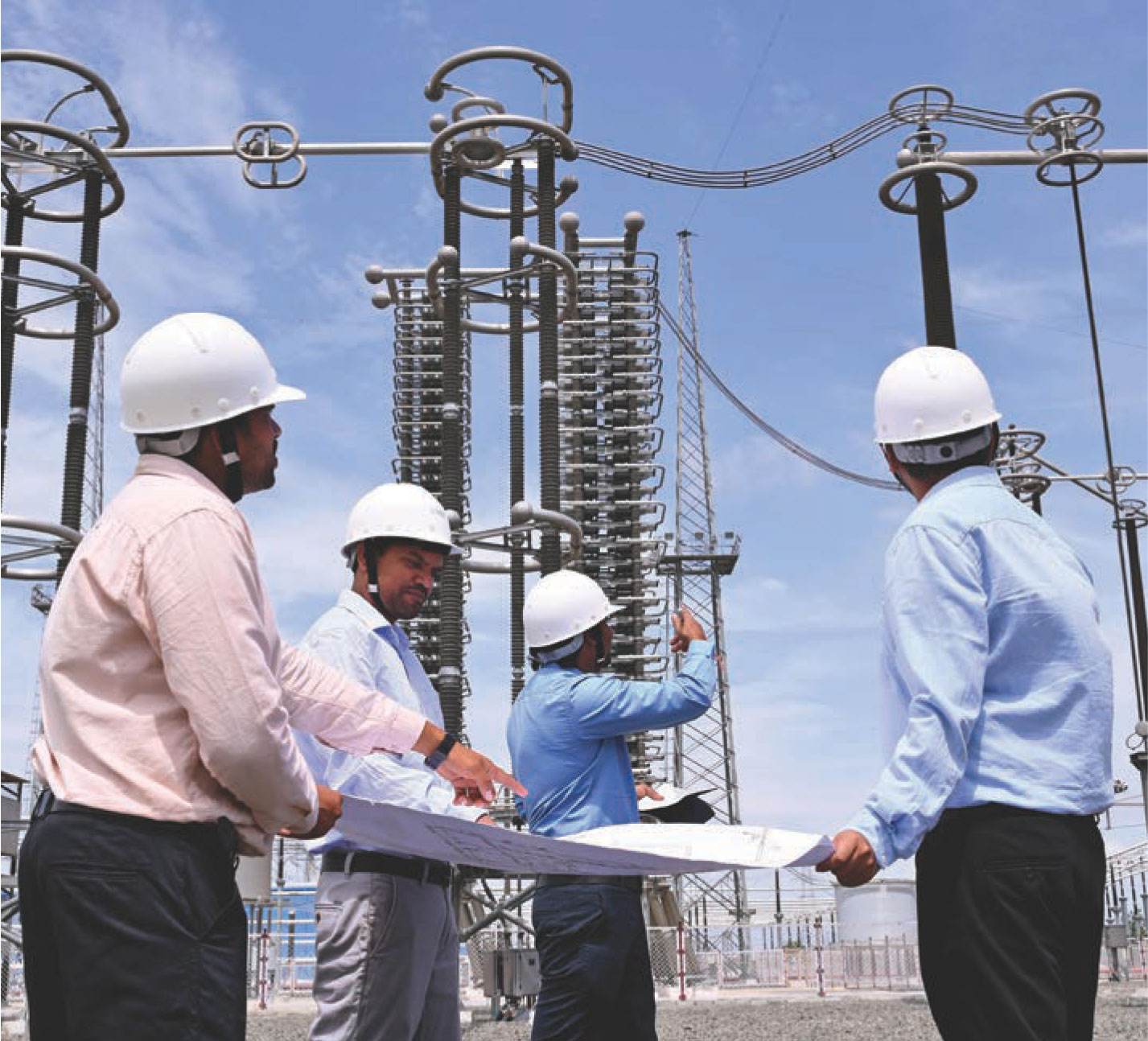
- Skill Development Centres: POWERGRID have established Skill Development Centres across various locations to train youth in technical skills, particularly in “Power Transmission Line Tower Erection and Stringing”.
- Centres of Excellence (CoEs): POWERGRID has developed CoEs to provide specialised skilling in areas such as cybersecurity.
- PM Internship Scheme and apprenticeship programmes: We are nurturing new talent in transmission, projects, HR, etc., under dedicated programmes.
- Collaboration with institutes: We are partnering with IITs, National Power Training Institute and international agencies to offer certification courses in emerging technologies.
- AI-based training need assessment: We are using cutting edge AI models to assess training needs and training plans for our employees.
“While automation will reduce some routine roles, it will create higher-value, tech-driven roles in data science, system architecture and grid innovation.”
What new competencies do you foresee becoming essential in the next three to five years?
In the near future, transmission professionals will require:
- AI/ML proficiency: For grid analytics, predictive maintenance and real-time power flow optimisation.
- Digital twin modelling: To manage complex assets virtually and perform simulation-driven decision making.
- Cyber-physical security: A must-have as grids become more digitised and comprehensive.
- Sustainability mindset: Understanding of environmental compliance, ESG frameworks and green transmission technologies.
- Interdisciplinary collaboration: Working seamlessly across IT, power electronics and regulatory teams.
 What is your outlook for the transmission workforce in the near to medium term?
The transmission workforce is poised to undergo a generational leap in capabilities. With India’s ambitious renewable energy integration targets (500 GW by 2030) and the expanding Green Energy Corridor, the sector will demand a future-ready, agile and digitally fluent workforce.
While automation will reduce some routine roles, it will create higher-value, tech-driven roles in data science, system architecture and grid innovation.
We foresee a blended workforce – combining deep domain knowledge, digital fluency and leadership for sustainability. With proactive skilling and people-first strategies, the future of the transmission workforce is not just secure – it is transformational.