
India’s power sector stands at a historic crossroads. With electricity demand projected to grow at over 6 per cent annually through 2030, as reported by various agencies, the nation’s utilities are grappling with an unprecedented challenge: meeting surging energy needs while simultaneously achieving ambitious decarbonisation targets. As the country races toward its commitment of 500 GW of renewable capacity by 2030 and net-zero emissions by 2070, technology partnerships with global leaders are becoming critical enablers of this transformation.
The scale of India’s utility challenge
India’s power landscape presents a complex matrix of opportunities and obstacles. The country’s installed capacity has grown to over 495 GW, with renewables comprising approximately 49 per cent of the mix. However, state electricity boards continue to face financial stress, with aggregate technical and commercial losses averaging 18-20 per cent nationally. According to the Ministry of Power, India needs to invest approximately $2.5 trillion in its power infrastructure by 2030 to meet growing demand while transitioning to clean energy. This massive undertaking requires not just capital but cutting-edge technology solutions that can handle the complexity of integrating intermittent renewable sources with traditional baseload power.
Decarbonisation goals: From ambition to implementation
The International Energy Agency estimates that the power sector must reduce emissions intensity by 60 per cent by 2030 to align with global net-zero targets. For India, this entails achieving a delicate balance: expanding electricity access to rural populations while simultaneously greening the grid. Grid modernisation and renewable integration could save Indian utilities up to $80 billion by 2040 through reduced fuel costs and improved efficiency, according to industry estimates. However, achieving these savings requires substantial investment in digital infrastructure and smart grid technologies.
Technology solutions reshaping Indian utilitie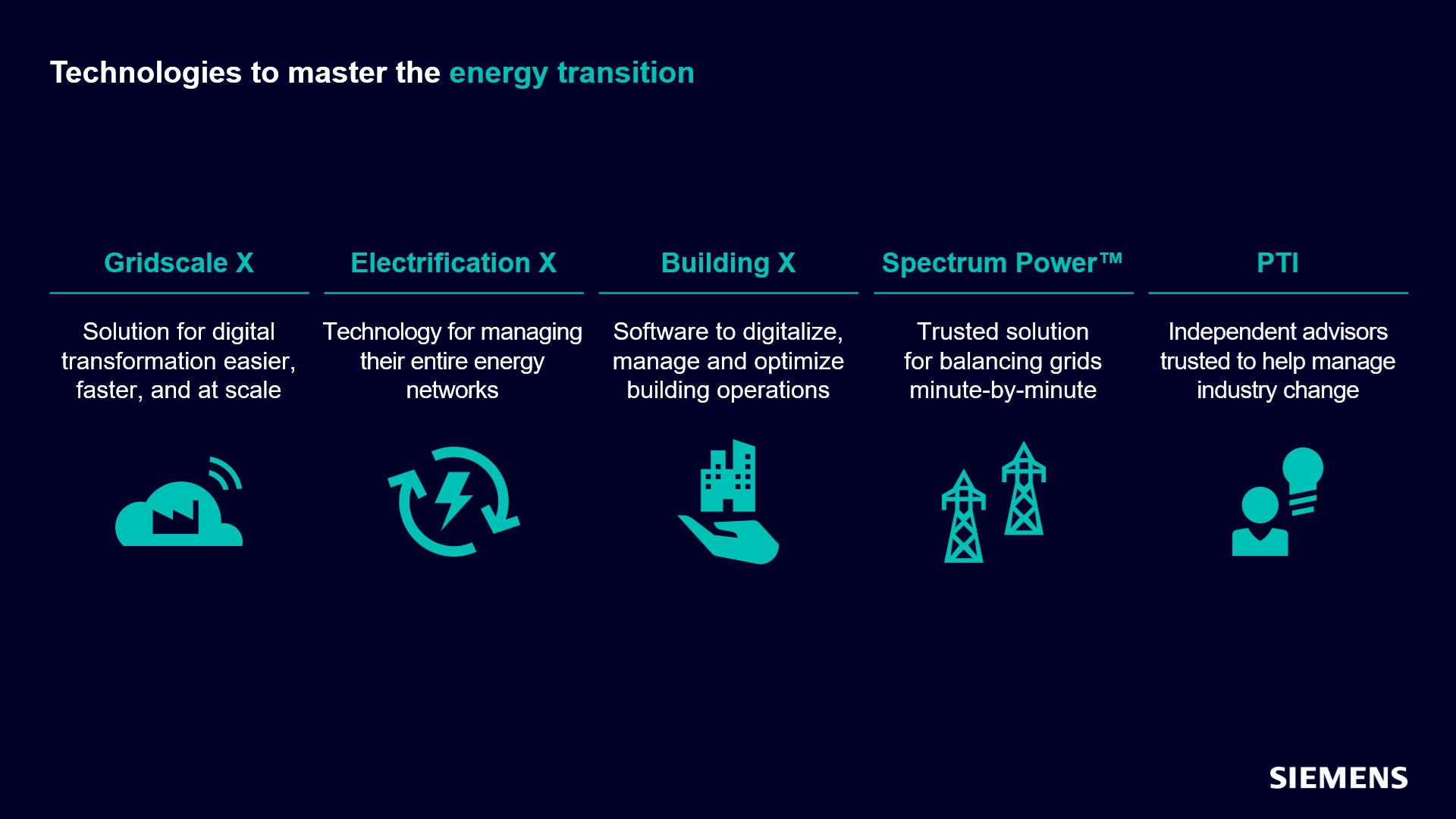
Global technology providers are playing a pivotal role in India’s grid transformation. Advanced digital solutions are enabling utilities to overcome traditional challenges while preparing for a renewable-heavy future. Siemens, a key technology partner in this transformation, has been instrumental in several breakthrough projects across India. The company works with utilities in India to strengthen the transmission and distribution network, and facilitate renewable integration and grid automation, helping the power sector achieve goals of reliable and sustainable power.
One example that is relevant for India is the deployment in Wunsiedel, Germany, where excess wind and solar power is stored and released during peak demand, these solutions are being adapted for India’s unique operating conditions. “India’s grid complexity requires solutions that can handle massive scale while maintaining reliability,” explains a senior Siemens executive familiar with the Indian market. “Our Siemens Xcelerator platform is helping utilities globally achieve what seemed impossible just a decade ago – real-time monitoring and predictive maintenance across thousands of substations.”
Smart grids: The foundation of India’s energy future
The roll-out of smart grid infrastructure across India represents one of the world’s largest grid modernisation programmes. The government’s target of installing 250 million smart meters by 2025 is creating opportunities for advanced grid management solutions.
The human dimension of grid transformation
Beyond technology, India’s energy transition is fundamentally about people. Rural electrification has improved dramatically, with near-universal access achieved in recent years. The transformation is creating new opportunities across the value chain. From engineers skilled in renewable integration to data analysts managing smart grid operations, India’s energy sector is becoming a significant employer of technical talent.
Looking ahead: A sustainable energy future
As India navigates its energy transition, the convergence of policy support, technological innovation and international collaboration is creating unprecedented opportunities. The journey ahead requires sustained commitment to both infrastructure investment and institutional reform. However, with the right technology partnerships and policy frameworks, India is well-positioned to power its economic growth while contributing meaningfully to global climate goals.
For more visit click here