
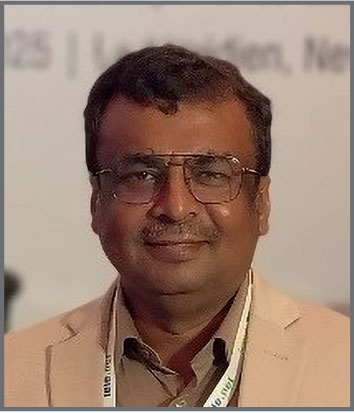
 Tapan Dhar is a seasoned thermal power plant (TPP) professional with over 30 years of experience, specialising in the operations and maintenance (O&M) and commissioning of TPPs. He started his career at Dahanu Thermal Power Station after graduating from NIT Rourkela, during its commissioning phase under BSES Limited. Further, he gained hands-on commissioning experience at Yamunanagar and Khedar TPPs in Haryana, followed by the Reliance Rosa TPP for U-2 commissioning in 2009. After that, he joined the Jhajjar power plant in 2010 in operations. He then led an ash handling plant as head of department (HoD) from 2015 to 2019, followed by combined heat and power O&M from 2019 to 2021. He returned to production/operation as HoD from 2021, additionally overseeing flue gas desulfurisation operations, biomass co-firing, and procurement of limestone and biomass.
According to Dhar, India’s power sector is at the cusp of transformation, incorporating various forms of energy to balance the system. The dependency on thermal power will persist despite rapid renewables addition. Power demand is growing at nearly 9 per cent annually, making it challenging to meet growth solely through renewable energy. The government’s plan to add 80 GW of coal-based thermal capacity by 2031-32, alongside renewable energy, is crucial for achieving net-zero commitments. As power demand rises, reliance on thermal power will continue.
According to Dhar, electricity continues to be used as a political tool across India, resulting in a massive financial burden on discoms, with losses amounting to Rs 1.40 trillion in 2024. Poor billing and collection, and high transmission and distribution losses further aggravate the problem. While a few states have initiated or completed distribution privatisation, the sector will continue to face such losses and stress.
Dhar, recalling his most memorable assignment, mentioned that every commissioning assignment has been challenging. The Chinese-supplied units followed a very different approach to plant erection and commissioning compared to the traditional Indian EPC contractor. One of the most significant challenges was handling a major turbine shaft bending issue in a 300 MW Chinese unit, which took several months to resolve.
Dhar’s management style has evolved over the years and is centred around the 3Ps – people, process and profitability.