
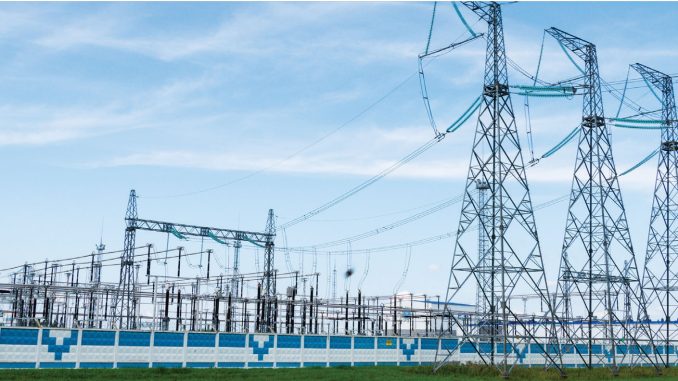
Emerging technologies are rapidly reshaping the electrical characteristics of power systems. Inverter-based renewable generation, electric vehicle (EV) charging infrastructure, artificial intelligence-driven computing and large-scale data centres are introducing new patterns of electricity production and consumption that differ fundamentally from those of the past. These technologies rely heavily on power electronics and digital control, enabling greater efficiency and flexibility but also altering the way power systems respond to disturbances. Parameters such as voltage regulation, harmonic levels, frequency stability and phase balance are increasingly influenced by the interaction of renewable energy, distributed resources and non-linear loads.
Power quality challenges in renewable-rich power systems
Renewable energy sources, particularly solar photovoltaic (PV) and wind power, are central to decarbonisation and energy security goals. However, their large-scale integration introduces several interconnected power quality challenges due to their variability, decentralised nature and reliance on power electronic converters. Voltage instability is among the most prominent issues in renewable-rich systems. Solar and wind output can change rapidly due to variations in weather conditions. In distribution networks with high rooftop solar penetration, sudden changes in generation can lead to an increase in voltage levels during periods of low demand or voltage dips when generation falls abruptly. Frequent voltage fluctuations can result in flicker, stress voltage regulation equipment and reduce supply quality for end consumers.
Harmonic distortion is another critical concern. Inverters used in renewable energy systems inject non-linear currents into the grid, distorting voltage and current waveforms. Elevated harmonic levels increase technical losses, cause overheating of transformers and cables, interfere with communication systems and impair the operation of sensitive equipment. As inverter-based resources proliferate across both transmission and distribution networks, harmonic management has become a core element of power quality planning.
Frequency stability is also affected by the changing generation mix. Conventional thermal and hydro plants contribute mechanical inertia that resists sudden changes in system frequency. Inverter-based renewable generators do not inherently provide inertia unless designed with advanced control features. As system inertia declines, the grid becomes more sensitive to disturbances, increasing the risk of frequency deviations following sudden changes in generation or load. Reactive power management presents additional challenges, particularly in weak grids or regions with high renewable concentration. Many solar PV systems operate close to unity power factor and offer limited reactive power support unless equipped with advanced control capabilities. Inadequate reactive power availability can exacerbate voltage instability and reduce system resilience during disturbances.
Distributed renewable energy and rooftop solar
The rapid expansion of rooftop solar is reshaping distribution networks and intensifying local power quality concerns. Policy initiatives such as the PM Surya Ghar: Muft Bijli Yojana are accelerating rooftop solar adoption across residential, commercial and institutional consumers. While distributed generation reduces transmission losses and dependence on conventional power sources, it also introduces operational complexities for distribution utilities. Intermittency-induced voltage fluctuation is a key challenge at the distribution level. When a large number of rooftop systems are connected to the same feeder, variations in solar output due to cloud movement can cause frequent voltage rise and drop, particularly during low daytime demand. Persistent voltage fluctuations can result in flicker and degrade supply quality.
Phase imbalance is another issue, as most rooftop solar systems are single-phase, while distribution networks are predominantly three-phase. Uneven distribution of rooftop installations across phases leads to voltage imbalance, increased losses and overheating of transformers. Over time, this imbalance accelerates asset degradation and reduces network efficiency. Bidirectional power flow further complicates power quality management. Distribution networks were originally designed for one-way power flow from substations to consumers. Rooftop solar transforms consumers into prosumers, exporting excess power back into the grid. Reverse power flow can disrupt voltage regulation equipment, interfere with protection schemes and increase stress on distribution transformers.
EV charging and emerging power quality concerns
The rapid adoption of EVs is introducing a new category of high-impact, power-electronic loads. EV charging demand differs fundamentally from conventional residential and commercial loads, as chargers draw large, often variable currents and rely on non-linear power conversion technologies. Voltage fluctuation is a major concern, particularly with fast-charging infrastructure. DC fast chargers impose sudden and concentrated power demand on distribution networks, leading to localised voltage dips and flicker. In areas with weak grids or long radial feeders, simultaneous charging of multiple EVs can significantly degrade voltage quality.
Harmonic distortion is another critical issue associated with EV charging. Switched-mode power supplies and rectifiers used in chargers generate harmonic currents, increasing losses and causing overheating of network assets. As EV penetration grows, the aggregation of harmonic emissions can push the total harmonic distortion beyond acceptable limits if not properly managed. Unbalanced loading is especially relevant for single-phase residential chargers. Uneven distribution of chargers across phases exacerbates phase imbalance, leading to negative sequence currents and further deterioration of voltage quality in low voltage networks.
Data centres and non-linear load growth
The digitalisation of the economy is creating a new class of electricity consumers with stringent power quality requirements and complex grid impacts. AI-driven applications and large-scale data centres are rapidly increasing high-density computing loads, reshaping demand patterns and introducing fresh technical challenges. AI workloads are characterised by highly variable and burst-like power consumption. Training and real-time processing tasks can cause sudden changes in load, leading to voltage fluctuations and flicker. These non-linear demand patterns make load forecasting more complex and increase the need for fast-acting control mechanisms.
Data centres, which rely heavily on power electronics such as UPS systems, switch-mode power supplies and variable-speed drives, are significant sources of harmonics. At the same time, they demand exceptionally high power quality and reliability, as even minor disturbances can disrupt operations. The clustering of data centres in specific regions further intensifies localised voltage instability, transformer loading and short-circuit level challenges.
The way forward
Looking ahead, power quality management will increasingly depend on tightly integrated, intelligent solutions that combine advanced power electronics, energy storage, flexible network assets and AI-enabled control. As grids become more decentralised and digital, power quality will evolve from a compliance requirement into a real-time, predictive function embedded in system operations. This transition also elevates the importance of cybersecurity and resilience, as secure data and control pathways become essential to grid stability. With renewable energy, EVs and digital loads continuing to scale, the proactive and coordinated deployment of these technologies will be key to delivering a reliable, adaptive and high quality electricity system.