
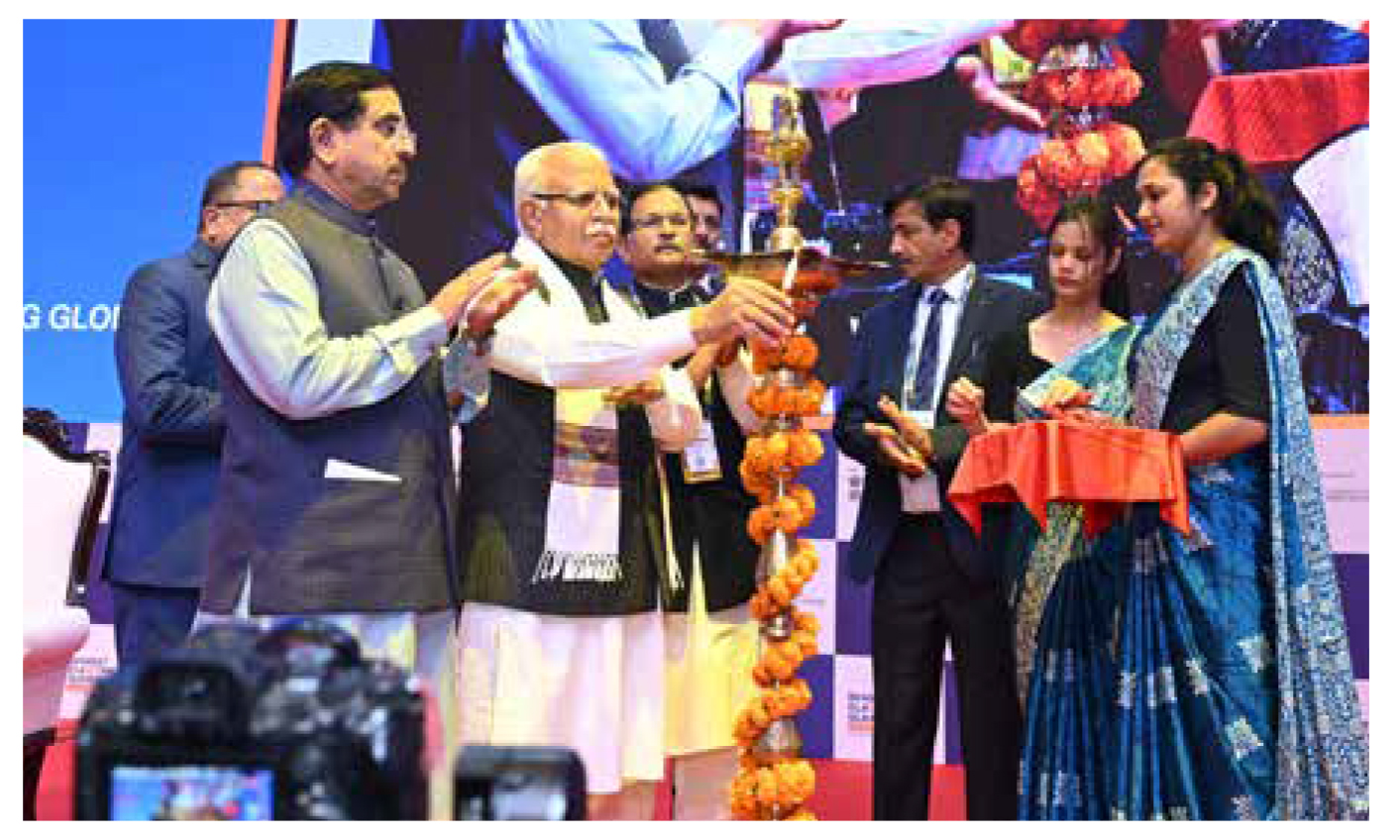
 “The energy transition must be pursued through coordinated planning, technological advancement and global cooperation, with the ultimate objective of ensuring reliable, affordable and sustainable power for all.” – Manohar Lal, Union Minister of Power
Inaugural session
Bharat Electricity Summit 2026 opened at Yashobhoomi, New Delhi, on March 19, 2026. The high-profile event was inaugurated by Union Minister of Power Manohar Lal; Union Minister of New and Renewable Energy Pralhad Joshi; Minister of State for Power and New and Renewable Energy Shripad Naik; Pankaj Agarwal, Secretary, Ministry of Power; Dr R.K. Tyagi, Chairman and Managing Director, POWERGRID; and Ghanshyam Prasad, Chairperson, Central Electricity Authority.
Setting the tone for the event, Power Minister Manohar Lal highlighted the central role of energy in India’s economic development trajectory, positioning electricity as a foundational enabler rather than a standalone sector. He underlined that the evolution of energy from traditional sources such as fire and coal to hydro, nuclear and renewables reflects both technological progress and the growing need for sustainable and scalable solutions.
India’s ambition to become a developed economy hinges on the strength and reliability of its power sector. With the country already among the top global economies and aiming to move higher, adequate, affordable and accessible electricity will be critical to supporting industrial growth, exports and overall economic expansion.
The minister highlighted the rapid expansion of transmission infrastructure, with significant growth in network capacity over the past decade, improving grid stability and connectivity across regions. He also emphasised India’s growing role in cross-border electricity trade with neighbouring countries such as Bhutan and Nepal, positioning it as a regional energy hub.
On the energy mix, he spoke about India’s the dual approach of scaling up non-fossil fuel capacity while continuing to rely on conventional sources to meet rising demand. Renewable energy, particularly solar, will play a key role in the future energy landscape, supported by initiatives to enhance grid integration and transmission capabilities, including the development of advanced and potentially undersea transmission networks.
Looking ahead, he identified emerging demand drivers such as electric vehicles, data centres and artificial intelligence, which are expected to significantly increase electricity consumption. To address this, the government is planning significant capacity additions over the next decade, alongside continued investments in transmission infrastructure.
He also underscored the importance of innovation and research, encouraging startups and young entrepreneurs to explore new frontiers in energy technologies, including unconventional concepts such as alternative energy conversion and wireless power transmission.
At a broader level, the minister highlighted India’s objective to strengthen global collaboration in the energy sector. The energy transition must be pursued through coordinated planning, technological advancement and global cooperation, with the ultimate objective of ensuring reliable, affordable and sustainable power for all.
In his address, Pralhad Joshi, Union Minister of New and Renewable Energy, spoke about the evolving dynamics of India’s energy transition and emphasised the importance of balancing renewable energy expansion with energy security and affordability. India has made significant progress in expanding its renewable energy capacity and he credited this progress to strong coordination across different segments of the power sector, including generation, transmission and policy support.
Joshi stressed that while renewable energy is the future, India’s transition must remain pragmatic and balanced. Fossil fuel-based generation, particularly coal, cannot be phased out overnight, given the country’s growing energy demand and the need for reliable baseload power. At the same time, the long-term direction of the sector is clearly towards renewable energy, which is the only sustainable pathway for meeting future energy needs.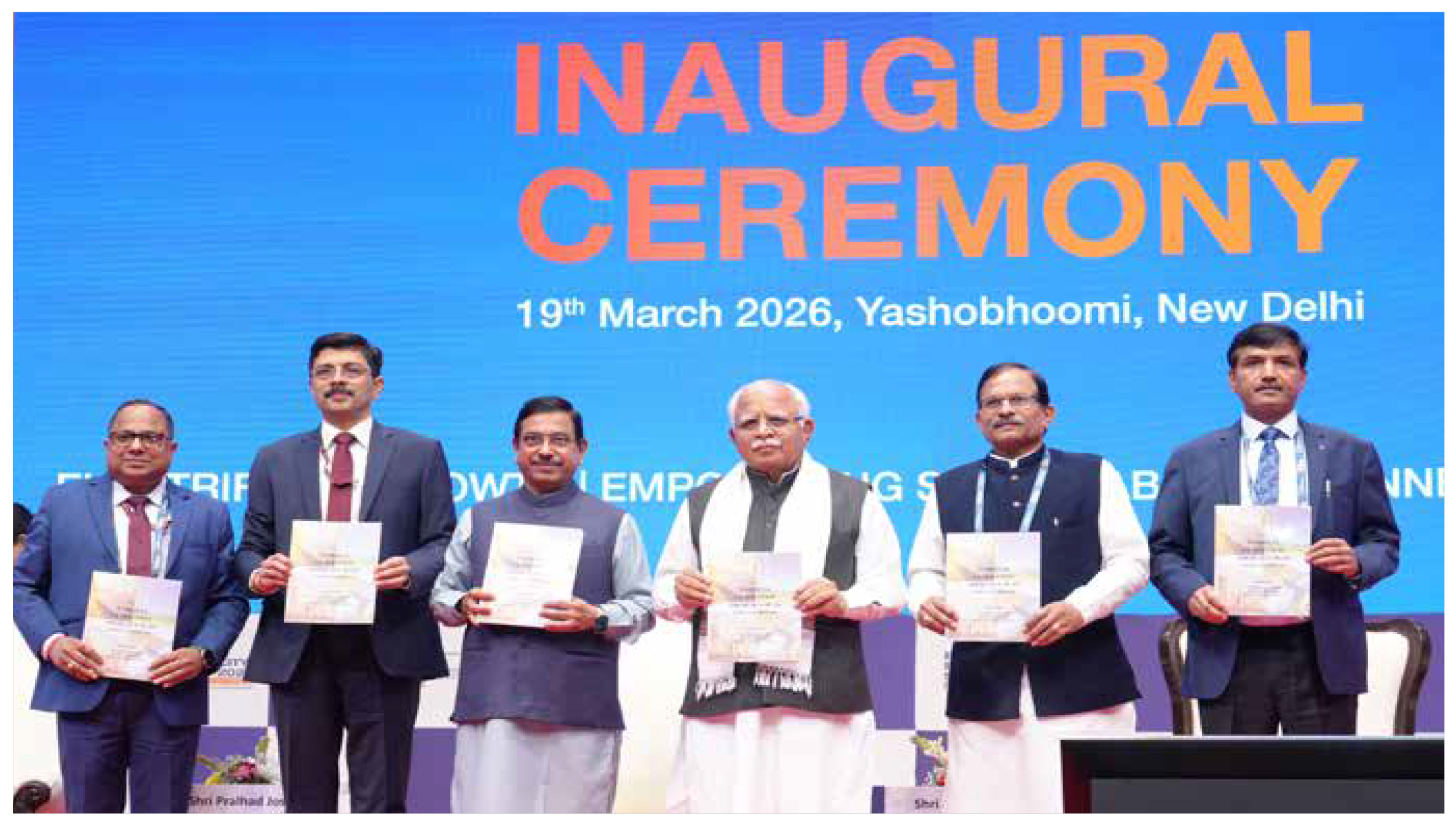
Global geopolitical tensions and disruptions in fuel markets have reinforced the importance of building a self-reliant and diversified energy system. Conflicts and instability in various parts of the world often impact the availability and pricing of fossil fuels, making it essential for countries to accelerate the deployment of domestic renewable energy resources.
The minister drew attention to the decline in renewable energy costs over the past decade making renewable energy increasingly competitive with conventional sources. According to him, these cost reductions are strengthening the case for large-scale renewable deployment in India.
The government’s efforts to ensure that clean energy growth is supported by domestic manufacturing and technological advancement. Going forward, the focus should be on scaling up manufacturing capabilities, strengthening supply chains and developing skilled human resources to support the expanding renewable energy ecosystem.
He also highlighted initiatives aimed at increasing citizen participation in the energy transition. Rooftop solar programmes and agricultural solarisation schemes are enabling households and farmers to generate their own electricity and contribute to the country’s clean energy goals. He concluded by stressing that affordable electricity will remain central to India’s development strategy, as it will support manufacturing competitiveness and drive long-term economic growth.
Shripad Yesso Naik, Minister of State for Power and New & Renewable Energy, discussed the rapid transformation of India’s power sector and the country’s growing leadership in the global energy transition. He observed that the summit’s theme reflected India’s broader journey of aligning economic growth with sustainability, while bringing together policy, technology, finance and innovation to accelerate the clean energy transition.
India’s power sector has undergone a major transformation over the past decade. The country’s installed power capacity has more than doubled since 2014, with more than 51 per cent now coming from non-fossil fuel sources. This progress enabled India to achieve one of its Nationally Determined Contribution targets ahead of schedule, demonstrating the country’s commitment to climate action while sustaining economic growth.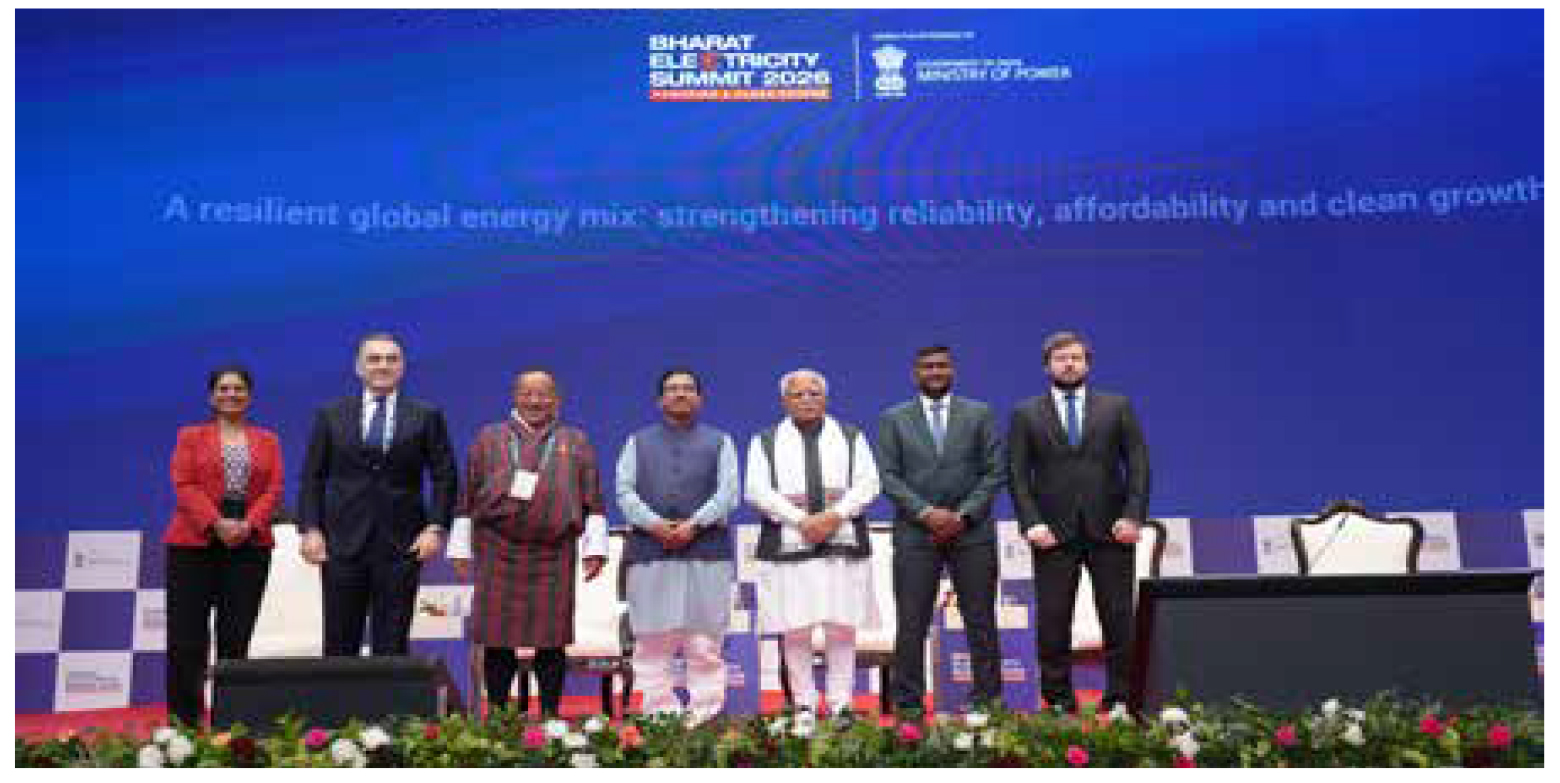
The next phase of the transition will focus not only on adding capacity but also on strengthening the power system to support higher renewable penetration. The government is expanding transmission networks at an unprecedented pace while also scaling battery energy storage and pumped storage solutions. In addition, new market mechanisms such as virtual power purchase agreements are being introduced to unlock investments and stimulate demand for renewable energy.
Naik also drew attention to India’s growing domestic manufacturing ecosystem for clean energy technologies. The country has established 172 GW of solar module manufacturing capacity and 27 GW of solar cell capacity, strengthening India’s role in the global renewable energy value chain.
He underscored the importance of citizen participation in the energy transition, noting that programmes such as the PM Surya Ghar Muft Bijli Yojana and PM KUSUM are enabling households and farmers to become energy producers, thereby making the transition more inclusive and participatory. He concluded that energy efficiency remains a central pillar of India’s strategy, with every unit of energy saved effectively contributing to the country’s sustainable growth pathway.
Pankaj Agarwal, Secretary, Ministry of Power, underscored the transformation of the electricity sector into a critical driver of economic growth, digitalisation and social development, noting that power is no longer a basic utility but a foundational enabler of competitiveness and inclusivity.
He noted that India is navigating a complex energy transition, balancing the traditional trilemma of energy security, affordability and sustainability, while also addressing the imperative of universal access. Delivering reliable and clean electricity at scale, remains a defining challenge, particularly given the country’s rapid economic growth and rising demand.
Agarwal highlighted significant progress over the past decade, including the near elimination of peak power deficits, substantial capacity additions and accelerated growth in renewable energy. Solar power has played a pivotal role, supported by enabling policy frameworks, standardisation and cost competitiveness. India is increasingly emerging as both a major clean energy market and a manufacturing hub.
He also outlined the evolution of the grid into one of the largest synchronised systems globally, supported by advanced balancing mechanisms. On the distribution side, the deployment of smart technologies is enabling a more responsive and data-driven ecosystem. The next phase of sectoral growth will be driven not only by physical infrastructure but also by market and institutional reforms. Instruments such as time-of-day tariffs, demand response and energy storage will be critical to enhancing grid flexibility.
He further highlighted emerging demand drivers, including electric mobility, data centres and digital technologies, and the need to align consumption patterns with renewable generation to improve system efficiency. At the same time, he cautioned that the transition would require significant investments, estimated at about $2.2 trillion over the next two decades, alongside improvements in the financial health of the power sector value chain.
At a broader level, Agarwal emphasised the importance of global collaboration, positioning India as both a learner and a provider of scalable solutions. He called for actionable outcomes from the summit, including progress on distribution reforms, financial sustainability and infrastructure development, as well as long-term partnerships. He reiterated the government’s commitment to building a resilient, sustainable and inclusive electricity system, while encouraging stakeholders to actively participate in this transformation.
Dr R.K Tyagi, Chairman and Managing Director, POWERGRID, emphasised the critical role of leadership in driving the growth of India’s power sector and the integration of renewable energy into the grid. India’s energy transition must remain both ambitious and balanced, ensuring sustainability while meeting rising demand.
The collaboration of policymakers, regulators, industry leaders, investors and global partners is essential for shaping the sector’s future. The Bharat Electricity Summit 2026 serves as an important platform that brings these stakeholders together for a shared dialogue. He noted that such collaboration is critical to addressing the evolving needs of the power sector.
The electricity sector is expected to deliver scale, reliability and sustainability. Dr Tyagi highlighted that the key national reports on resource adequacy, transmission planning for large-scale non-fossil integration and the broader energy scenario demonstrate how India is planning and investing ahead to meet future requirements.
Strategic Conference
Meeting the Electricity Needs of the Global South: Key catalysts for cross-border collaboration, investment and innovation
The session on “Meeting the Electricity Needs of the Global South: Key catalysts for cross-border collaboration, investment and innovation” featured remarks by H.E. Juma Daler Shafoqir, Minister of Energy and Water Resources, Tajikistan; H.E. Lyonpo Gem Tshering, Minister of Energy and Natural Resources, Bhutan; Shri Pralhad Venkatesh Joshi, Minister of Consumer Affairs, Food and Public Distribution and New and Renewable Energy, Government of India; Shri Manohar Lal, Minister of Power and Housing and Urban Affairs, Government of India; H.E. Hussain Ageel Naseer, Deputy Minister of Tourism and Environment, Maldives; and H.E. Pavel Sorokin, First Deputy Minister of Energy, Russian Federation. The session focused on global energy cooperation, renewable energy development and regional integration to sustainably meet growing electricity demand.
H.E. Juma Daler Shafoqir highlighted Tajikistan’s large hydropower potential and its focus on regional energy integration, while emphasising the need for global cooperation, cross-border electricity trade and the gradual diversification of its energy mix into solar and wind.
He highlighted that Tajikistan currently ranks among the top six countries globally in the hydropower sector, with total hydropower potential estimated at around 120 GW, including pumped storage capacity. Building on this strength, he outlined that Tajikistan is continuing to prioritise hydropower development as a central pillar of its energy strategy.
Further, he stressed that the country is currently developing one of the largest hydropower projects in Central Asia, which is expected to play a key role in regional energy supply. According to him, this project will enable Tajikistan to export electricity not only within Central Asia but also to South Asia, thereby strengthening cross-border energy trade and cooperation.
He outlined that green electricity generated in Central Asia is expected to be exported to South Asia through upcoming interconnection projects. In this context, he stressed the importance of developing a regional electricity market, noting that all Central Asian countries are already connected through a common grid.
Going forward, he added that regional integration will be critical in unlocking the full potential of energy resources and ensuring optimal utilisation across countries. He also stated that Tajikistan is strengthening its engagement with South Asia, including India, and is working towards expanding physical and commercial energy linkages with the region. In addition to hydropower, he outlined that Tajikistan is increasingly focusing on diversifying its energy mix. Non-hydropower capacity, particularly solar and wind energy, will see significant development by 2040.
H.E. Lyonpo Gem Tshering highlight Bhutan’s growing energy ambitions, centred on hydropower development and supported by strong bilateral cooperation with India, while outlining future capacity targets and increasing private sector participation.
He began his remarks by highlighting the close and mutually beneficial energy partnership between Bhutan and India, noting that the benefits of Bhutan’s power generation are shared between the two countries in a cooperative framework. He outlined that Bhutan, despite being a small and landlocked country, possesses significant hydropower potential.
He emphasised that, with continued support from India, Bhutan has established an ambitious and structured energy roadmap for the coming decades. The country is targeting power generation of about 25,000 MW by 2040, of which approximately 20,000 MW is expected to come from hydropower and around 500 MW from solar energy. He further outlined interim milestones, including the addition of about 5,000 MW by 2029, followed by a scale-up to 10,000 MW, before reaching the 2040 generation target.
Notably, he stated that multiple power projects are currently under development and that Bhutan is increasingly attracting foreign direct investment in both hydropower and solar energy. He noted the growing participation of major Indian companies such as the Tata Group, Adani Group, and also, recently, JSW Group, which are contributing to capacity expansion, technology deployment and infrastructure development in the country. He further stressed that Bhutan is witnessing a steady rise in domestic electricity demand, driven by the growth of new industries and economic activities. Despite this increasing demand, he underscored the strength and reliability of Bhutan’s bilateral energy ties with India. The two countries maintain a complementary energy exchange system, wherein Bhutan exports surplus hydropower to India, while importing solar power from India during periods of excess generation.
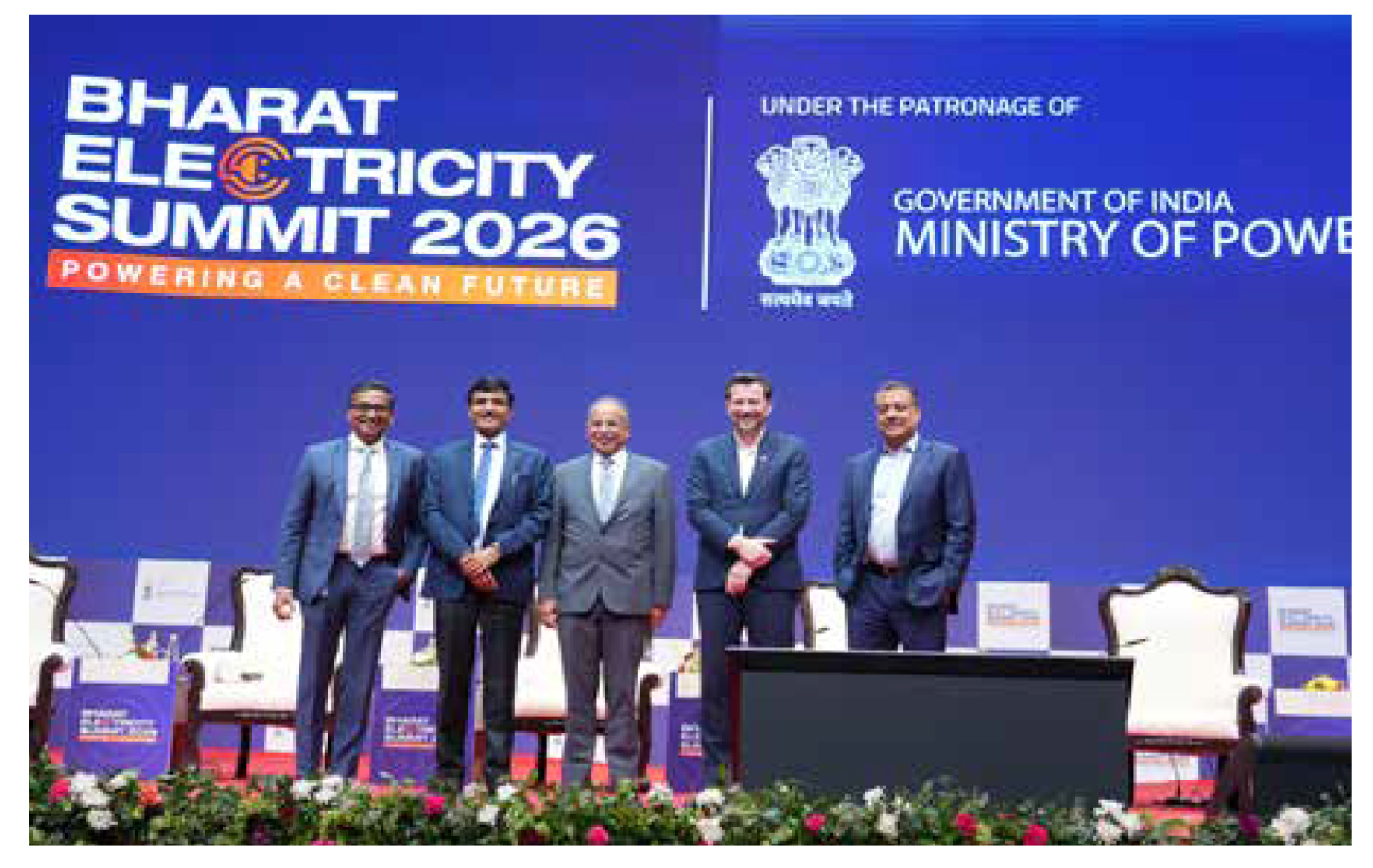
Shri Pralhad Joshi highlighted India’s renewable energy progress, particularly in solar power, as a scalable model for other countries. He underscored initiatives such as decentralised energy access, the expansion of domestic manufacturing and India’s role in supporting the Global South through knowledge-sharing efforts.
He began his remarks by highlighting that India’s renewable energy journey, particularly in the solar sector, represents a strong success story that could serve as a model for other countries, with necessary adaptations to suit local conditions. While acknowledging that each country faces its own challenges, he stressed that the overall concept and framework implemented in India have proven to be highly effective.
Further, he stressed that India is emerging as a key voice for the Global South. Through the International Solar Alliance (ISA), he outlined that India is actively sharing its technological expertise and experience with other countries. These initiatives include solarisation programmes and skill development efforts, tailored to the specific needs of each country. Moreover, he noted that the ISA has made significant progress in replicating India’s solar success in other regions while adapting solutions to local requirements.
On the manufacturing front, Joshi outlined that India has made substantial progress in reducing dependence on imports. He noted that, about a decade ago, most solar modules were imported, whereas India has now developed significant domestic manufacturing capacity. Considerable progress has been made in the production of both modules and solar cells, with further expansion expected. This reflects India’s move towards self-sufficiency across the solar supply chain, including modules, cells and upstream components such as wafers and polysilicon, with clear targets set for the coming years. He added that 50-60 per cent of wind energy equipment is already manufactured domestically. This growing self-reliance will not only meet India’s own energy needs but also enable it to support other countries, particularly in the Global South.
Shri Manohar Lal highlighted that electricity, in particular, is the single most versatile instrument through which a nation transforms itself. It is not merely a commodity; it is a foundation of dignity, development and diplomacy. He pointed out that India’s universal electrification is only a starting point and that, over the years, the nation has moved from basic electricity access to electricity adequacy and is now pursuing electricity abundance. The countries of the Global South, taken together, represent the single largest untapped energy market, the largest pool of renewable resources, and the fastest-growing electricity demand in the world.
He stressed that strong coordination, investments, technology sharing and resilient systems can rewrite the energy future. In order to achieve energy for everyone, there is a strong need for re-energising, revitalising and rethinking our approaches, which accordingly requires redesigning and redeveloping energy systems.
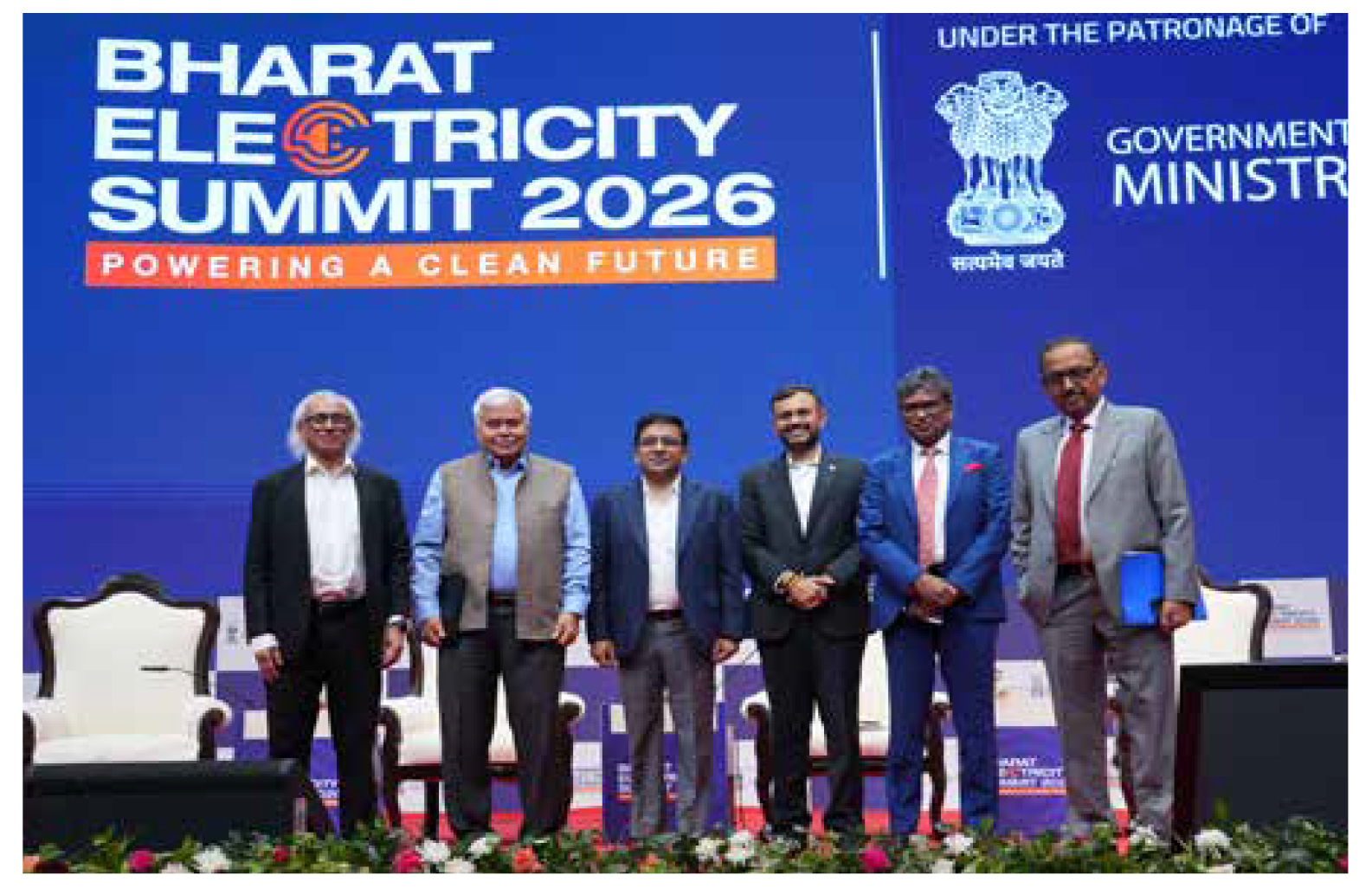
Lal underscored that India is developing long-term, non-transactional partnerships with neighbours like Bhutan, Nepal and Bangladesh through cross-border trade, transmission links, regulatory capacity building and joint grid planning. Further, he added that India is committed to being a global partner – not as a donor, but as an exporter and a fellow traveller that has faced the same roads, encountered similar difficulties, and found workable solutions. He expressed his confidence that the immensely rich discourse that India had today on the development of its energy infrastructure will surely be vital in the days to come as we forge new partnerships, scale new heights, traverse uncharted paths, and ensure the prosperity of the Global South.
H.E. Hussain Ageel Naseer spoke about the Maldives’ phased journey toward 33 per cent renewable electricity, highlighting concrete achievements and a robust pipeline. He highlighted the strategic intent of the Maldives to reap mutual benefits from collaboration with India and intends to seek India’s “highly relevant” experience to bridge gaps in their realistic, step-by-step approach. He emphasised India’s critical role in offering expertise, technical know-how and proven success in solar-plus-storage through policies and private sector collaboration, which the Maldives sees as essential for accelerating research and scaling.
H.E. Pavel Sorokin discussed how geopolitical tensions have exposed the risks of energy supply dependence and acknowledged the need for diversifying markets and technologies amid global volatility. He noted that Russia has faced extreme volatility in recent years, which has hindered development while revealing a critical lesson: overreliance on a single energy source or technology is unwise in the long term. He emphasised that for Russia and its energy sector, the key takeaway is the value of trustworthy partners.
He pointed out that global investments in power generation and grids total about $1.5 trillion annually, with nearly half directed toward renewables – a sector growing naturally and sustainably, as it should. The focus, he said, should remain on real prices and consumer needs rather than on artificially isolating segments. The same applies to coal, which remains the backbone of energy systems. Although its share has declined, total coal-based generation has increased over the past 20 years – a reasonable outcome for a cheap and reliable source needed by both developing and developed nations. He noted that modern coal plants have emission levels comparable to gas-based facilities, and when evaluated on a full life-cycle basis, all sources can be made environmentally competitive. The overarching goal, he concluded, is to achieve cleaner, more accessible and more affordable energy.
With respect to future opportunities, Sorokin underscored the need for joint research and development initiatives between India and Russia that extend beyond commodity trade, emphasising pragmatic and mutually beneficial collaboration to develop new equipment and technologies.
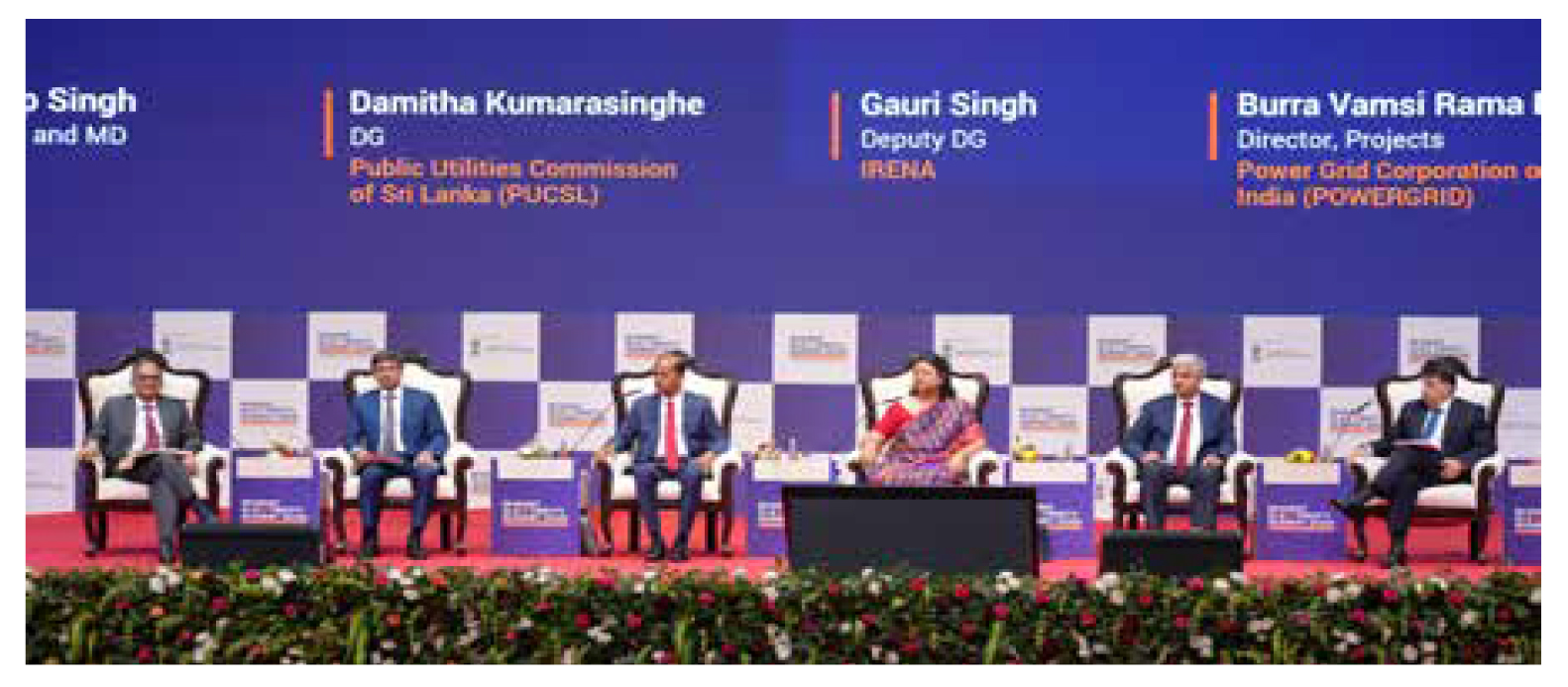
A Resilient Global Energy Mix: Strengthening reliability, affordability and clean growth
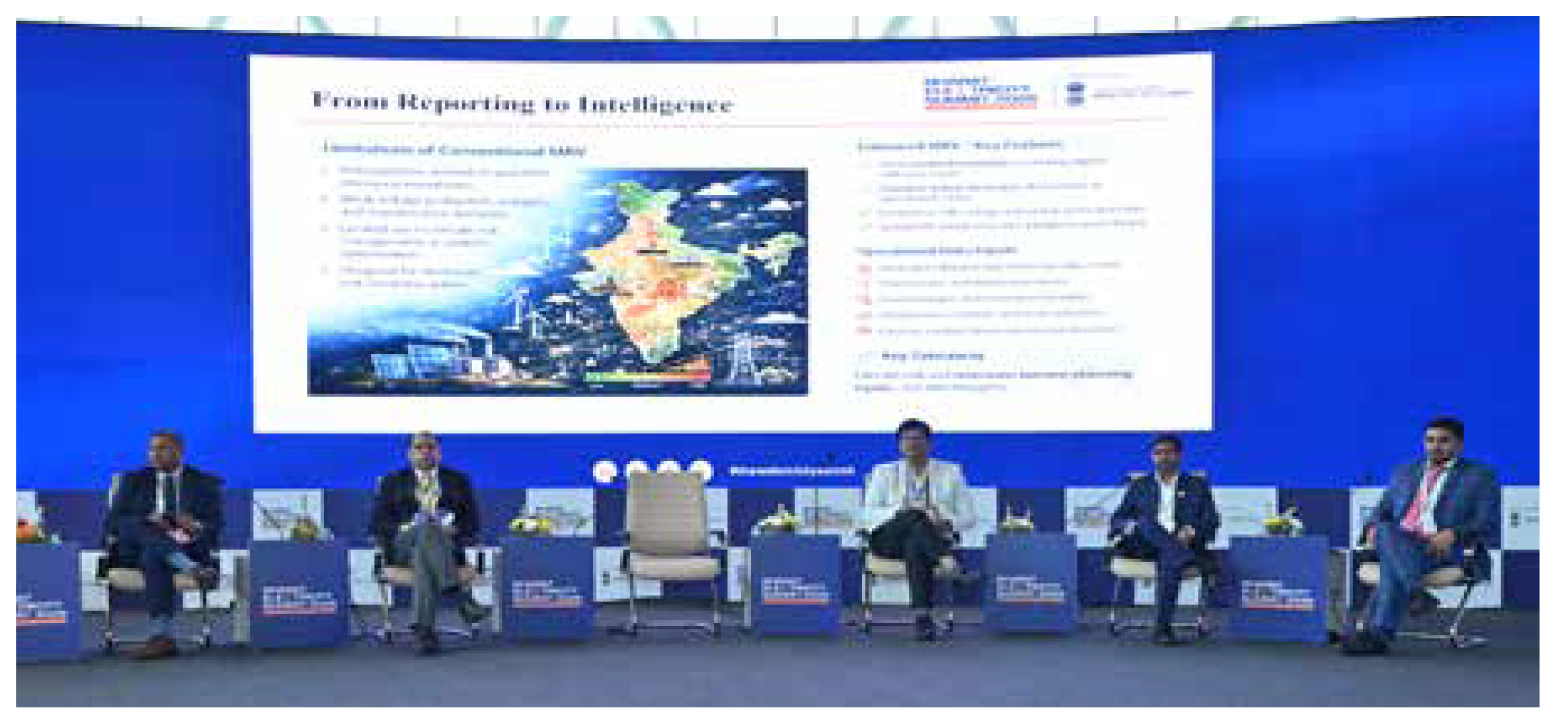
The session on “Resilient Global Energy Mix: Strengthening reliability, affordability and clean growth”, featured a panel discussion among Gurdeep Singh, Chairman and Managing Director (MD), NTPC Limited; Burra Vamsi Rama Mohan, Director – Projects, Power Grid Corporation of India Limited (POWERGRID); Guilherme Mendonca, Chief Executive Officer and MD, Siemens Energy India Limited; Damitha Kumarasinghe, Director General (DG), Public Utilities Commission of Sri Lanka; and Gauri Singh, Deputy DG, International Renewable Energy Agency. The session explored the challenges and opportunities associated with integrating large-scale renewable energy while maintaining grid reliability and affordability.
Gurdeep Singh noted that the rapid growth of solar energy in India is creating new operational challenges for the power system, particularly in terms of grid flexibility and balancing. Coal-based power plants, which have traditionally been the backbone of the country’s electricity supply, were not originally designed to operate with the level of flexibility required to support large-scale variable renewable energy. Increasingly, these plants are being required to ramp up and down frequently to accommodate fluctuations in solar generation, placing operational stress on existing infrastructure.
Thermal power plants are already making efforts to adapt to this new operating environment by reducing their technical minimum operating levels and improving flexibility. However, excessive back-down requirements and deep cycling can affect plant reliability, availability and long-term operational stability. If only a limited number of plants are required to provide flexibility while others continue operating normally, it may lead to disproportionate stress on certain generating units and could ultimately affect overall system reliability.
To manage high levels of solar penetration more effectively, flexibility must become a shared responsibility across the entire power system rather than relying solely on coal-based generation. A diversified set of solutions will be necessary. Energy storage technologies are expected to play an increasingly important role in this context, including battery energy storage systems (BESS), pumped storage projects and emerging storage technologies that can absorb surplus renewable energy and release it when required.
Another potential approach involves developing new generation assets that are specifically designed for flexible operations. Instead of forcing existing baseload plants to operate in ways for which they were not originally designed, smaller and more flexible thermal units could be developed to handle daily cycling and rapid ramping requirements.
Looking ahead, nuclear power is being considered as a potential contributor to India’s long-term energy mix. Expanding nuclear capacity will require stronger public awareness, streamlined regulatory processes, improved financing mechanisms and the development of a robust domestic supply chain and skilled workforce.
Burra Vamsi Rama Mohan highlighted the evolving challenges and opportunities in the development of transmission infrastructure alongside the rapid expansion of power generation capacity, particularly renewable energy. A key issue is the mismatch between the pace of generation capacity additions and the availability of adequate transmission infrastructure. While there are instances where generation capacity remains stranded due to transmission constraints, there are also cases where transmission systems have already been developed and are waiting for generation to come online. This reflects the complex planning and coordination required between generation and transmission development.
Another important challenge relates to the structural nature of transmission infrastructure. Transmission systems typically require large, consolidated investments and are developed as high-capacity networks that cover long distances. In contrast, new generation capacity, especially from renewable sources, is increasingly being added in smaller, distributed units. This shift creates planning complexities because transmission systems must be designed to accommodate large capacities even when generation additions are more fragmented.
Supply chain constraints have also emerged as a key issue. Equipment shortages have affected the timely implementation of transmission projects. To address this, a shift towards bulk procurement strategies is being adopted. This approach is intended to provide better demand visibility to manufacturers, encourage the expansion of domestic manufacturing capacity, and support the development of a stronger ecosystem for power sector equipment in the country.
Human resource availability is another area of concern. The sector faces a shortage of skilled manpower required for the construction and commissioning of transmission lines and substations. Efforts are being made to establish training and skill development centres to build a broader pool of trained personnel capable of supporting infrastructure expansion across the power sector.
At the same time, emerging technologies such as BESS are being viewed as a complementary opportunity. Storage systems are increasingly being considered not only as standalone assets but also as solutions that can support grid operations and enhance the efficiency of transmission networks. The development of supportive regulatory frameworks is expected to play an important role in enabling investment in such technologies and strengthening the overall reliability and flexibility of the power system.
Guilherme Mendonca stated that achieving a large-scale energy transition requires substantial investment not only in generation capacity but also across the entire value chain, including manufacturing, equipment supply and supporting infrastructure. As electricity demand continues to grow rapidly, particularly in emerging economies such as India, the scale of investment required for clean energy deployment will be significant. This creates a need for strong policy frameworks that can attract both domestic and international capital while ensuring long-term confidence among investors.
According to Mendonca, policy stability is one of the most critical factors influencing investment decisions in the energy sector. Infrastructure investments in areas such as transformers, switchgear and other grid equipment involve high capital costs and long payback periods. Manufacturers and investors, therefore, require clear and consistent policies that provide long-term visibility and reduce regulatory uncertainty. Stable policy environments help companies justify allocating capital to large manufacturing facilities and long-term industrial projects.
Market visibility is another key driver of investment. Clear national targets for renewable energy deployment and energy transition pathways provide confidence to manufacturers and supply chain participants. When companies have a clear understanding of the scale and timeline of market demand, they are more willing to invest in expanding production capacity and developing local manufacturing capabilities. The development of a strong domestic supply chain is also essential for accelerating clean energy deployment. Large-scale manufacturing investments need to be supported by a network of component suppliers and small and medium enterprises.
In addition, the planning and development of transmission infrastructure must evolve to keep pace with the rapid expansion of renewable energy. Renewable projects can often be built within short timeframes, while transmission infrastructure typically requires significantly longer development periods. As a result, transmission planning must be undertaken well in advance so that grid infrastructure is available when new renewable capacity comes online.
Damitha Kumarasinghe highlighted that Sri Lanka’s energy mix has evolved significantly over the past few decades. Around three decades ago, renewable energy accounted for nearly 100 per cent of the country’s electricity generation. Over time, this share declined to about 40 per cent, largely due to increasing reliance on thermal power. In the past decade, however, the share of renewable energy has recovered to around 60 per cent. Despite this progress, the remaining 40 per cent of thermal generation continues to create vulnerabilities in the country’s energy security, particularly in the context of ongoing geopolitical disruptions that affect global fuel supply chains and prices.
Ensuring energy security through national-level measures alone is becoming increasingly challenging. Regional cooperation and power system interconnections are emerging as important solutions to strengthen reliability and resilience. In the South Asian context, Sri Lanka remains the only country that is not connected to the regional electricity grid. India, in contrast, already has operational cross-border electricity connections with Nepal and Bangladesh, enabling power trade and grid support. The proposed Sri Lanka-India power interconnection has been under discussion for more than two decades. Advancing this project could enhance Sri Lanka’s energy security while also creating opportunities for regional electricity trade.
 According to Gauri Singh, the renewable energy transition has reached a stage where traditional approaches to evaluating costs are no longer sufficient. In the earlier phase of renewable energy deployment, the primary objective was to reduce the cost of generation, particularly for technologies such as solar power. Significant progress has been made in this area, with renewable energy costs declining substantially over the past decade. However, as renewable energy now accounts for a major share of new electricity capacity additions, a broader and more systematic framework is required to assess costs.
A system-level approach to evaluating renewable energy integration is becoming increasingly important. Instead of focusing only on the cost of individual renewable energy projects, attention must also be given to the broader power system. This includes the costs associated with grid infrastructure, electricity markets and system operations. These elements play a crucial role in determining the overall efficiency and affordability of electricity supply in a system with high renewable penetration.
In many countries, the development of grid infrastructure, market mechanisms and operational practices has not kept pace with the rapid expansion of renewable capacity. Regulatory frameworks often lag behind technological and market developments, limiting the ability of power systems to respond effectively to the growing need for flexibility. As renewable energy increases, there is a greater need for mechanisms that support flexible generation and demand-side management.
A diversified portfolio of flexibility solutions will be essential for maintaining grid stability. This could include smaller flexible power plants, BESS, pumped storage hydropower and demand-side reforms. Regulatory frameworks must also consider the cost of capital across the entire electricity value chain, including generation, transmission and system participation, rather than focusing solely on developers.
India’s Power Sector Roadmap to 2047: Translating national vision into a resilient, integrated and future-ready electricity system
The panel “India’s Power Sector Roadmap to 2047: Translating national vision into a resilient, integrated and future-ready electricity system” highlighted the scale of transformation required across India’s electricity value chain as the country moves towards a cleaner and more diversified energy mix. Discussions focused on the need to strengthen generation, transmission, distribution, supply chains and grid management to support large-scale renewable integration while ensuring reliability and long-term system resilience. The panellists included Dr Praveer Sinha, Chief Executive Officer (CEO) and Managing Director (MD), Tata Power Company Limited; Sumant Sinha, Founder, Chairman and CEO, ReNew; Guire Servan, CEO, EDF Power Solutions India; and Dr R.K. Tyagi, Chairman and MD, Power Grid Corporation of India Limited. Edited excerpts…
Dr Praveer Sinha began his address by stating that India’s power sector has witnessed significant progress over the past 25 years, with substantial improvements across generation, transmission and overall electricity infrastructure. The growth has not been limited to a single segment but has taken place across the entire value chain, reflecting coordinated development in generation capacity, transmission networks and system planning. This expansion has played an important role in strengthening the country’s electricity supply and supporting rising demand.
Dr Sinha highlighted that the sector is expected to experience a phase of major transformation rather than continuing along a traditional growth path. He noted that the future energy system is likely to be shaped by increasing penetration of renewable energy and new technologies, which could significantly alter the current structure of the power mix. Coal-based generation, which currently accounts for a large share of electricity supply, is expected to gradually decline in relative terms as cleaner sources of energy expand.
Energy system modelling indicates that the share of coal in the energy mix could reduce substantially over the coming decades. This transition will lead to greater reliance on renewable energy sources, which in turn will require the development of a variety of energy storage solutions to maintain grid stability and reliability.
He stressed that the transmission sector will need to evolve to support the changing energy landscape. The planning and development approaches that have guided transmission expansion over the past two decades may require adaptation to accommodate large-scale renewable integration and new patterns of electricity generation. He highlighted that the distribution segment remains an area where further improvements are necessary. Strengthening distribution utilities and enhancing operational efficiency will be essential to ensure that the benefits of generation and transmission growth are effectively delivered to consumers.
Sumant Sinha stated that India’s long-term energy transition pathway points to an unprecedented scale of renewable energy expansion over the coming decades. According to recent national energy outlook assessments, he noted that the country may require a massive increase in solar capacity as it moves towards its net-zero target by 2070. Achieving this transition will require a several-fold increase in solar deployment over the next two decades, indicating the magnitude of structural changes required across the power sector.
Such rapid expansion will necessitate coordinated development across multiple segments of the electricity value chain. While generation capacity addition has demonstrated strong momentum in recent years, other areas such as distribution, transmission and supply chains will play a decisive role in determining whether the energy transition can proceed smoothly. He stated that the distribution segment remains particularly critical, as it represents the interface with consumers and the primary source of revenue within the electricity system. Addressing structural challenges in this segment will be essential for sustaining long-term sector growth.
Grid infrastructure and grid management are expected to become increasingly important as renewable penetration rises. The rapid addition of solar capacity is already creating operational challenges for grid operators, particularly in managing peak demand and balancing generation from multiple sources. As solar generation increasingly meets daytime peak demand, system operators will need to ensure that other generation sources remain viable while maintaining overall grid stability.
 On the generation side, Sinha noted that the industry has demonstrated its ability to add renewable capacity at scale, supported by growing demand from commercial and industrial consumers, data centres and expanding electricity consumption across the economy. As a result, generation capacity addition itself may not become the primary constraint in the future. Instead, bottlenecks are more likely to emerge in areas such as grid infrastructure, supply chains and supporting equipment.
The development of a strong domestic manufacturing ecosystem is therefore becoming a major priority. India is increasingly transitioning from an import-dependent model towards domestic production of renewable energy equipment.
Guire Servan highlighted that India’s evolving power sector presents significant opportunities for developing a balanced and resilient energy mix. As the country accelerates its energy transition, the focus is gradually shifting from viewing renewable energy as the sole solution to recognising the importance of a diversified energy portfolio. He stressed that a well-balanced mix of technologies will be essential to support economic growth while ensuring reliability, affordability and sustainability in the electricity system.
He added that the concept of an optimal energy mix is becoming increasingly important as countries attempt to balance different sources of power generation. Rather than relying exclusively on one technology, a combination of renewable energy, nuclear power, hydropower and storage solutions can help create a more stable and flexible power system. Hydropower and pumped storage are expected to play an important role in supporting the growth of renewable energy. Pumped storage projects, in particular, can provide critical balancing capacity by storing excess electricity generated during periods of high renewable output and supplying power during periods of peak demand.
In addition to generation technologies, Servan highlighted that the broader energy transition also involves advances in digital and grid-related solutions. The deployment of smart metering systems and modern grid management technologies is becoming increasingly important for improving efficiency, enhancing system monitoring and enabling better integration of variable renewable energy sources.
Overall, he notes that the transition towards a cleaner power system will require a combination of multiple technologies and infrastructure solutions. By adopting a diversified approach that includes renewables, hydropower, nuclear energy and advanced grid technologies, India can strengthen the resilience of its electricity system while advancing its long-term clean energy and sustainability goals.
Dr R.K. Tyagi emphasised that the power grid will play a central role in enabling India’s energy transition and supporting the rapid expansion of renewable energy capacity. Over the past two decades, the country’s transmission system has evolved significantly, emerging as one of the most extensive and integrated grids in the world. Earlier, regional grids operated separately, but today, India has a fully synchronised national grid that allows electricity generated in one region to be transmitted seamlessly to another. This high level of interconnection has strengthened system reliability and improved the flexibility of power flows across the country.
He remarked that the next phase of energy transition will require a major expansion of transmission infrastructure to accommodate large volumes of renewable energy. As renewable generation grows across different regions, the grid will need to transport electricity over longer distances and manage more variable power flows. This will require stronger transmission corridors and more advanced grid technologies capable of handling large-scale renewable integration.
India has also made substantial progress in developing domestic manufacturing capabilities for high-voltage transmission equipment. In earlier decades, many technologies relied heavily on imported components. Over time, however, he noted that a robust domestic ecosystem has been established, enabling the local manufacturing of several critical transmission technologies.
Going forward, the expansion of the grid will require the deployment of next-generation transmission technologies, including advanced high-voltage alternating current systems and high-voltage direct current corridors. These technologies will be essential for transporting large volumes of renewable power efficiently across long distances and ensuring grid stability as the share of variable generation increases.
Despite the progress made, Dr Tyagi highlighted that several challenges remain. Issues related to right of way for transmission lines, land acquisition and the availability of critical equipment such as transformers can slow project development. Addressing these constraints through supportive policies, improved compensation mechanisms and expanded manufacturing capacity will be essential to ensure that transmission infrastructure keeps pace with the country’s rapidly growing electricity demand and renewable energy ambitions.
Digital Energy Stack: Building a secure and interoperable backbone for the modern grid
The session on “Digital Energy Stack: Building a secure and interoperable backbone for the modern grid” featured Dr Ram Sewak Sharma, Chairperson, India Energy Stack, Ministry of Power; Ashish Kumar Goel, Chairman, Uttar Pradesh Power Corporation Limited; Prince Dhawan, IAS, ED, REC Limited; N. Venu, MD and CEO, India and South Asia, Hitachi Energy and MD, Hitachi India; and Indu Shekar Jha, Patron, CIGRE India and Former Member, CERC.
The discussion focused on building a secure and interoperable digital backbone for the power sector, with emphasis on data integration, grid modernisation, cybersecurity and enabling seamless coordination across utilities and stakeholders.
Dr Ram Sewak Sharma traced the evolution of digital infrastructure in India, beginning with the creation of a foundational digital identity system in 2009. This system, he highlighted, was designed to be scalable, interoperable, frugal and based on open APIs, enabling multiple applications such as eKYC, DigiLocker and eSign to be built on top of it. He further pointed to the development of the unified payment interface as a key milestone, separating payments from traditional banking systems through a protocol-based approach. This eliminated the need for one-to-one integration among institutions and enabled seamless transactions across platforms. The result was a highly scalable and interoperable system, handling billions of transactions monthly.
Building on this approach, Dr Sharma explained that digital public infrastructure operates through standardised protocols, allowing disparate systems to connect without altering their internal operations. Applying this principle to the energy sector, the India Energy Stack (IES) aims to create a digital data exchange layer over existing, non-uniform systems.
He emphasised that the initiative is not a centralised database or application, but a data fabric enabling secure data exchange and transactions. This would facilitate the integration of distributed energy resources, including small-scale solar systems, and support optimisation, fair pricing and the participation of producers, consumers and prosumers within a unified digital ecosystem.
N. Venu highlighted India’s rapid progress in building a large and innovation-driven electricity ecosystem, noting that the scale of deployment and “Made in India” technologies are enabling cost reductions and global competitiveness. He pointed out that the sharp decline in solar tariffs over the past decade reflects both scale and sustained technological advancement.
With India moving towards over 500 GW of installed capacity and a rising share of renewables, Venu emphasised the growing need for a strong digital layer to manage intermittency and ensure real-time visibility of grid operations. He noted that grid operators must increasingly rely on digital tools to track and manage power flows dynamically, particularly as solar and wind generation expand.
Drawing on industry experience, he underlined the importance of integrating energy trading platforms with grid operations. While peer-to-peer and decentralised transactions are expected to grow, these must remain aligned with grid discipline, including frequency and voltage stability. He likened the evolving framework to digital payment systems, where transactions are seamless but continue to operate within established banking and regulatory structures.
Venu also stressed the need for future-ready infrastructure, calling for all new equipment to be interoperable, scalable and aligned with emerging digital architectures. He highlighted the importance of avoiding siloed development across utilities and regions, advocating a unified and standardised ecosystem to support the IES. He added that advancements in storage, green hydrogen and digital technologies will further strengthen the sector, but scaling up deployment in a coordinated manner will be critical to realising their full potential.
Ashish Kumar Goel underscored the transformative potential of the IES, noting that it could significantly democratise energy markets by enabling peer-to-peer (P2P) transactions among consumers. He highlighted that Uttar Pradesh had already piloted such transactions in the solar segment, and posited IES as a natural progression that would empower individual producers and consumers to actively participate in electricity markets, moving beyond the traditional dominance of discoms and bulk players.
At the same time, he emphasised that distribution utilities remain central to this evolving ecosystem, as they provide the underlying network infrastructure. In this context, he pointed to the absence of a clear data-sharing framework, stressing the need to define data ownership, privacy and confidentiality norms to avoid future legal and operational challenges. He also welcomed the modular and interoperable design of IES, noting that it accommodates varying levels of digital maturity across utilities, but called for a common digitalisation template with defined milestones to accelerate sector-wide adoption.
Goel further highlighted the importance of ensuring that future procurement of hardware and software by utilities is aligned with IES requirements, avoiding stranded investments and vendor lock-in. He advocated open standards to promote competition and called for the development of indigenous software solutions across grid operations, citing national security considerations.
While supporting P2P market development, he cautioned that the full cost structure of power supply, including network and fixed costs, must be recognised. Ignoring these could weaken discom finances and increase subsidy burdens. He also flagged unresolved issues such as accountability for losses and theft in a multi-licensee or distribution system operator framework, stressing the need for careful design to ensure both innovation and utility viability.
Prince Dhawan noted that standardisation is critical to ensuring seamless integration of multiple stakeholders, technologies and services, thereby unlocking system-wide efficiencies. He highlighted that IES is already enabling practical use cases, including peer-to-peer energy exchange across select discoms and consumer-centric applications built on access to granular meter data. He emphasised that empowering consumers with ownership and access to their energy data, in line with data protection principles, can drive innovation through third-party applications offering insights on consumption behaviour and optimisation.
Dhawan stressed that the stack is designed to support multiple use cases simultaneously, rather than a single application, with its value emerging through layered service delivery. He underlined the importance of a robust regulatory framework to build trust and drive adoption, drawing parallels with digital payment systems where regulatory certainty underpins widespread participation.
From a financial perspective, he pointed to the potential for new business models and value-added services, including alternatives to conventional net metering frameworks through peer-to-peer transactions. He noted that such mechanisms could create additional revenue streams for utilities while offering greater choice to consumers.
He explained that the architecture of IES rests on four core building blocks: identity and addressing, registries and directories, transaction protocols, and energy data exchange. These foundational elements, he said, would support a wide range of applications and play a key role in advancing intelligent electrification and the next phase of sectoral transformation.
Indu Shekar Jha described the IES as a unifying digital layer that can connect assets, stakeholders and transactions across the power system. Drawing on his initial assessment, he noted that the platform has the potential to enable seamless peer-to-peer exchanges, allowing surplus power to be traded directly through digital applications, thereby reshaping conventional market structures.
He observed that the sector is undergoing a fundamental shift from a centralised to a distributed architecture, with consumers evolving from passive recipients to active participants capable of generation, storage and demand response. In this context, he flagged the need to clearly define the future role of distribution companies, as their function may transition from electricity suppliers to service-oriented entities.
Jha highlighted that grid operations would increasingly become data-driven, leveraging technologies such as IoT, artificial intelligence and real-time analytics to manage variability and complexity. He pointed out that such capabilities could significantly enhance renewable energy integration through automated responses such as storage dispatch and demand-side management. He also emphasised the potential of IES to improve system planning by capturing granular data on distributed resources, storage and consumption patterns, areas where current frameworks remain limited.
At the same time, he identified key challenges, such as cybersecurity risks in an increasingly digital ecosystem, the need for strong institutional coordination across central and state agencies, and varying levels of digital readiness among utilities. He stressed that IES should be viewed not merely as a technology initiative but as an integrated regulatory framework, requiring clear economic signals, defined incentives for utilities and consumers, and alignment across stakeholders to ensure sustainable sector transformation.
Technical Conferences
ESG and Workforce Transformation (Enablers of Power Sector Transformation)
The session on “ESG and Workforce Transformation (Enablers of Power Sector Transformation)” featured remarks by Munish Sharma, Head of Group, ESG, ISO Standards and Consumer Connect, BSES Rajdhani Power Limited; Sai Shankar G. Nair, Senior Executive, Ministry of Industry and Commerce; Anand Mayank, Manager, Power Grid Corporation of India Limited; Sachin Gupta, HoD (BE&TQM), Tata Power Delhi Distribution Limited; and Amresh Ray, Corporate Sustainability Officer, Saatvik Green Energy Limited. The session focused on the role of environmental, social and governance (ESG) frameworks and workforce transformation as key drivers of change in the power sector. It highlighted the importance of sustainable practices, digital integration and continuous skill development in enabling this transition.
A key focus of the discussion was the ongoing transformation of the workforce within the sector. It was observed that the industry is witnessing a transition in required skill sets, moving away from traditional, silo-based roles towards more integrated and multidisciplinary capabilities. There is an increasing emphasis on digital skills, data-driven decision-making and the ability to adapt to emerging technologies. This also entails a transition from transactional, process-oriented operations to more customer-centric, sustainable and data-focused models. The discussion highlighted that several modern utilities have already begun adopting such approaches, setting examples for others in the sector. These organisations are demonstrating how new technologies, improved skill sets, and evolved operational practices can enhance efficiency and service delivery. However, this progress also raises important questions regarding the broader adoption of such practices across the sector.
One of the key concerns raised was how to effectively align environmental, social and governance (ESG) goals with day-to-day utility operations. Integrating these objectives into routine functioning remains a challenge, particularly in a rapidly changing energy landscape. Another important issue is how to adequately prepare and equip the workforce to handle these changes, given the pace of technological and operational transformation.
The need for learning from best practices across industries was also emphasised. It was suggested that knowledge-sharing and training should not be limited to the power sector alone but should also incorporate insights from other industries, such as automotive and manufacturing. Such cross-sector learning can help build more resilient and adaptable systems. Overall, the discussion underscored the importance of continuous skill development, technological adoption and strategic alignment in ensuring that the sector remains prepared for future challenges.
Grid Technology, Infrastructure and Planning (Transmission and Grid Operations)
The technical session on “Grid Technology, Infrastructure and Planning” featured Rajmohan T., Head, Technology and Renewable Power, Essar Power; Yashpal Choudhary, DGM, POWERGRID; Akshay Sharma, Manager, POWERGRID; Radha Manohar T., Chief Manager, POWERGRID; and Bharath Kumar Sundar, Business R&D and Senior Professional, Hitachi Energy, Technologies Services Private Limited.
The session focused on emerging challenges in transmission systems amid rising renewable energy penetration, as well as evolving approaches to system strengthening and asset management.
A key issue highlighted was the increasing vulnerability of renewable-rich transmission corridors to voltage instability and large-scale generation loss. In Rajasthan, nearly 50 renewable plants have been interfaced, with power transmitted over distances of 900-1,000 km to the northern load centres. Between January 2022 and May 2023, around 31 major grid disturbances were recorded, involving renewable generation losses of 1,000-7,000 MW. These events were attributed to low fault levels, weak short-circuit ratios, reactive power imbalances and inadequate plant response.
The transition from synchronous generation to inverter-based resources is also altering system behaviour. Fault current levels are declining, fault directionality is becoming more complex and conventional protection schemes are proving less effective. Distance protection, in particular, may underperform in renewable-connected lines due to insufficient fault current contribution from the plant end.
The session also highlighted challenges related to aging HVDC infrastructure. While HVDC links continue to support stable power transfer, assets commissioned in the 1990s are facing increasing maintenance issues, particularly in converter transformers and control systems. Targeted refurbishment strategies – such as overhauling using spare units, component-level repair of control cards, selective replacement of obsolete equipment and enhanced cooling systems – are being adopted to extend asset life and reduce outage durations.
Overall, transmission planning and grid operations are entering a new phase. Grid resilience will depend not only on adding new infrastructure, but also on improving reactive power management in weak corridors, redesigning protection for low-infeed conditions, extending the life of legacy HVDC assets through targeted interventions and adopting grid-forming technologies suited to inverter-dominated systems. As renewable penetration continues to rise, the transmission system will need to become more adaptive, more digitally aware and more responsive to dynamic operating conditions.
Decarbonisation and Net Zero Strategies (Enablers of Power Sector Transformation)
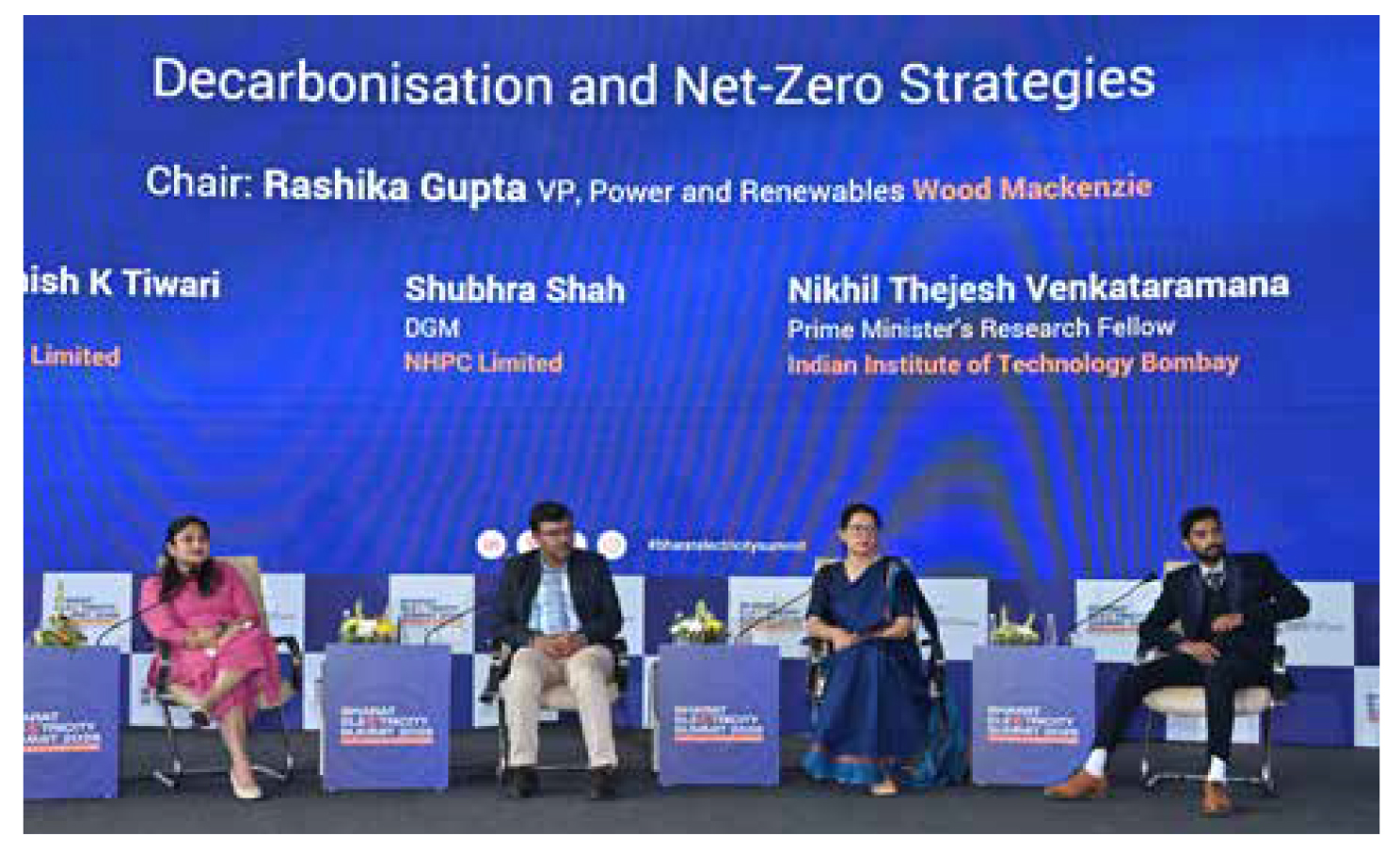
At the technical session on “Decarbonisation and Net Zero Strategies”, the discussions moved across three very different but connected themes: dry bottom ash handling in thermal plants, climate resilience in hydropower, and demand flexibility in a high renewable power system. The power sector is no longer only trying to add capacity; it is also trying to reduce water use, improve operational efficiency, manage climate risk and lower system cost through better planning.
In the presentation by Manish K. Tewari, AGM, NTPC Limited, he discussed how how dry bottom ash handling systems are increasingly replacing wet ash systems in thermal plants. Two main designs were described: steel mesh belt-driven metallic conveyors and sprocket-chain-driven metallic conveyors. The second type uses pans connected through flight connectors, with ash falling onto a grating and then moving through a chain-driven conveyor. In this arrangement, ambient air is used for cooling, and that air is then recovered as secondary air in the boiler. This improves boiler efficiency because sensible heat from the ash is no longer lost through water, as in wet systems. The chain-sprocket design was presented as better for heat recovery because most of the heat transfer happens in the first stage itself.
Shubhra Shah, Deputy General Manager, NHPC Limited, discussed how rising temperatures and changing rainfall patterns are affecting hydropower operations in the Himalayan region. The data cited was stark: global temperature has already risen by 1.09 °C, surface lake expansion in glacial areas has grown by 33.7 per cent, and around 51 cases of cloudburst and heavy rainfall were reported in the Himalayan region during the 2023 monsoon season, especially in Uttarakhand, Himachal Pradesh and Jammu & Kashmir. The point is not only that generation is affected, but also that dams, spillways, underwater structures and nearby communities face structural and safety risks.
NHPC’s resilience strategy includes real-time monitoring across river basins, automatic weather stations, early warning systems, SCADA-based control and cascade operation management. Shah also touched upon glacier lake outburst flood monitoring using satellite-based data and AI-based prediction tools. The proposed workflow combines cloudburst information, glacier lake data and ground-level sensors into a decision support system.
In the presentation by Nikhil Thejesh Venkataramana, Prime Minister’s Research Fellow, IIT Bombay, demand flexibility in Maharashtra under high renewable scenarios was discussed. The research, based on a deterministic power system planning model, looked at how shifting demand can reduce the need for batteries, coal and other balancing resources by 2030.
Asset Management (Transmission and Grid Operations)
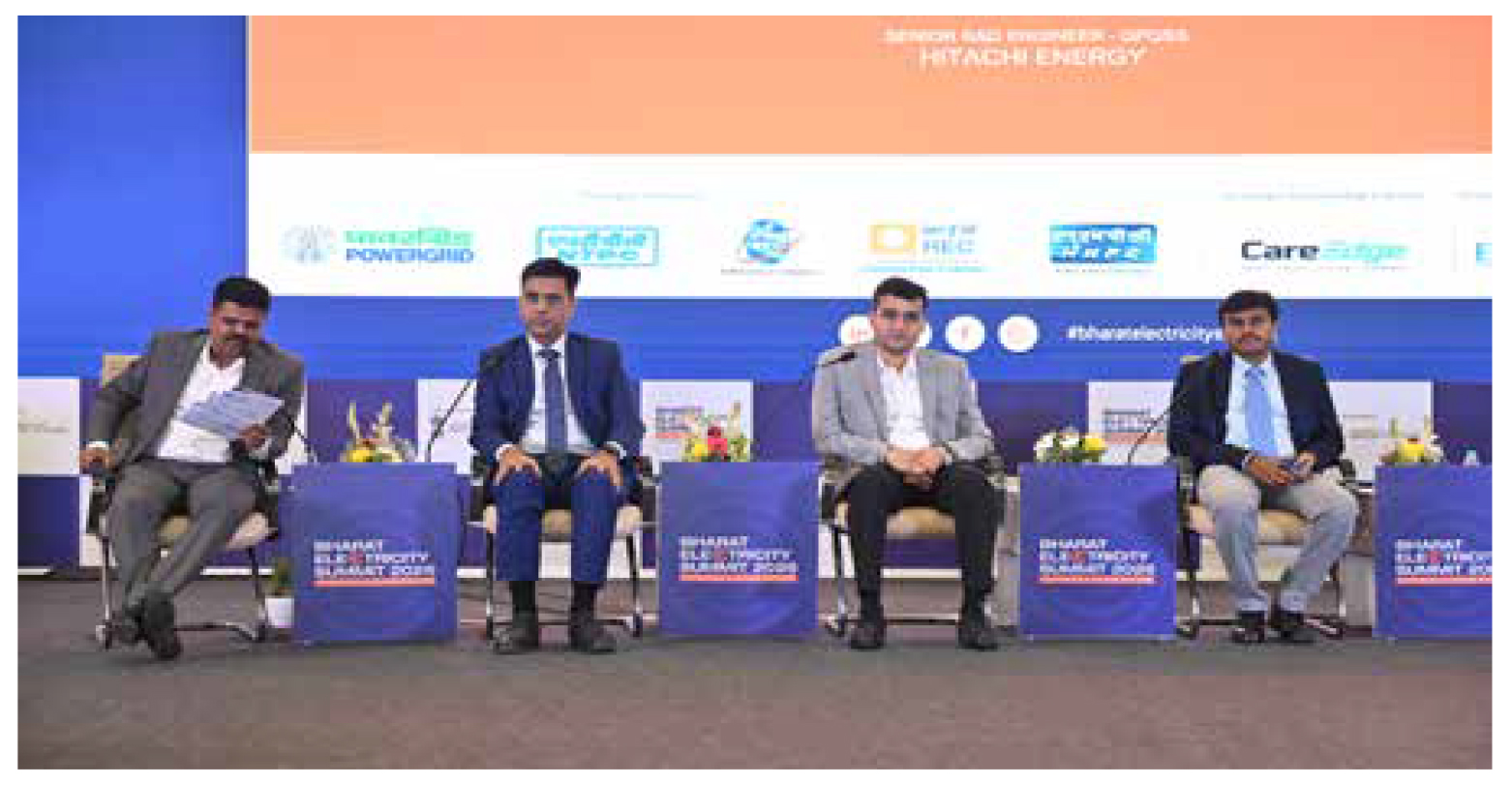
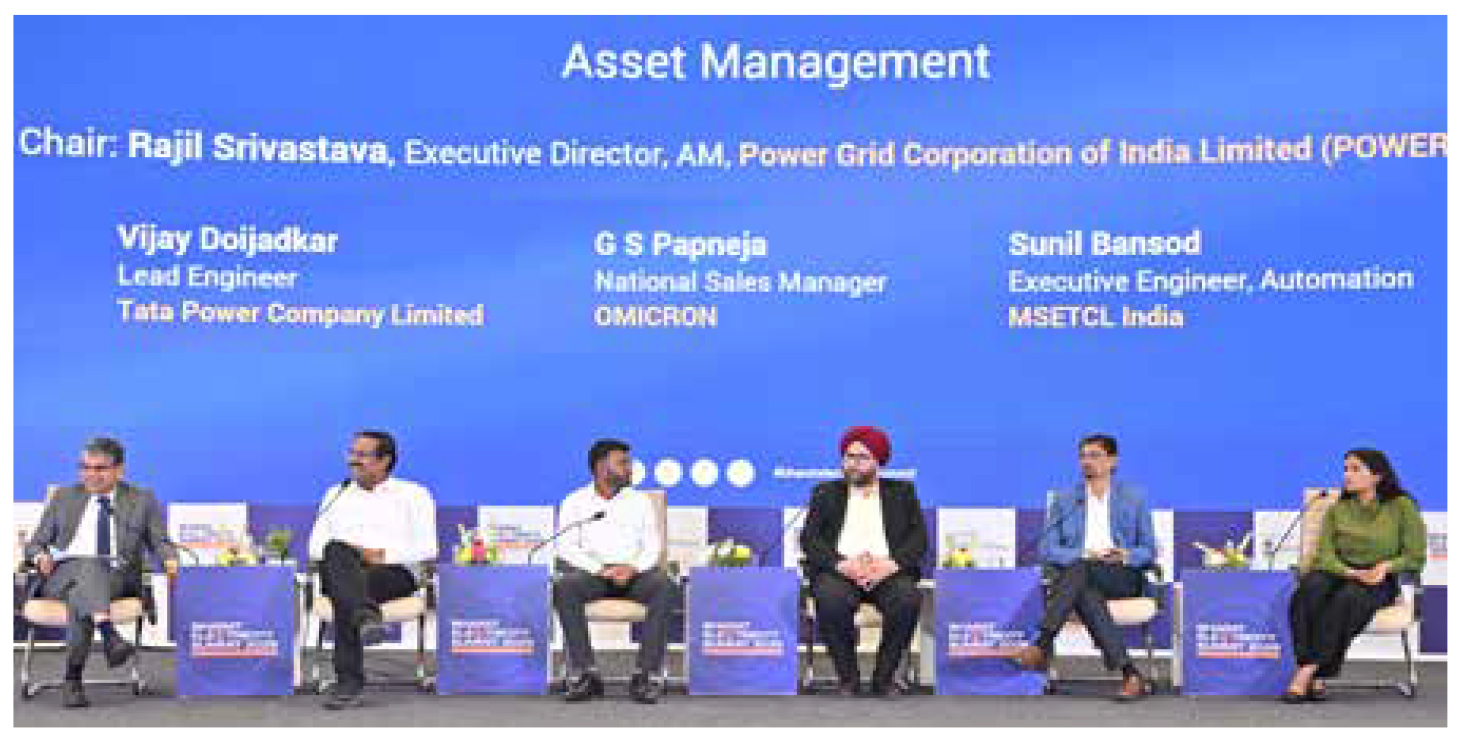
The technical session on “Asset Management (Transmission and Grid Operations)” featured remarks and presentations from Sulabh Shrivastava, Senior Principal Engineer, Hitachi Energy India Limited; Vijay Doijadkar, Lead Engineer, Tata Power Company Limited; G.S. Papneja, National Sales Manager, OMICRON; Sunil Bansod, Executive Engineer, Automation, MSETCL India; and Shivanjali Singh, Lead Engineer, Transmission Lines, Tata Power Company Limited, on a wide range of topics, including key trends, challenges and emerging practices in transmission operations and maintenance. They highlighted advanced approaches such as machine learning (ML)-based testing and digital twin frameworks for switchgear monitoring, distributed acoustic sensing (DAS)-enabled extra-high-voltage (EHV) line tripping analysis, asset-centric substation test data visibility, analytics-driven automation for ageing asset reliability and AI-enabled drone inspections for condition assessment.
The security and reliability of transmission infrastructure are emerging as critical concerns, particularly with instances of unauthorised access to transmission towers and theft of structural components such as tower bracings. Such activities pose risks to tower stability and can lead to operational disruptions. Traditionally, utilities have relied on periodic manual patrolling to detect such anomalies. However, this approach has inherent limitations, including delayed detection and dependence on human intervention, highlighting the need for more robust, real-time monitoring solutions.
To tackle this, utilities are increasingly exploring advanced technologies such as DAS for continuous surveillance of transmission networks. DAS enables real-time detection of intrusions and third-party interference along infrastructure corridors, thereby enhancing system security and reliability. Key advantages include faster identification of potential threats, reduced reliance on manual inspections, elimination of the need for additional field sensors and minimisation of faults caused by external factors.
Likewise, analytics-driven automation for aging EHV asset management and reliability has gained traction in recent years. Growing load demand, renewable energy integration, grid complexity and reliability needs have placed unprecedented stress on legacy infrastructure. Hence, utilities are increasingly adopting automation and digital technologies to modernise aging assets while extending their operational life.
Further, AI-enabled drone-based inspections for condition assessment have witnessed gradual adoption by utilities and developers in recent years. As conventional inspection methods offer limited visibility, drone inspections have shown promising results in eliminating risks of high-voltage exposure and falls, especially on remote or hard-to-reach towers. AI-enabled drone inspections cover kilometers in hours instead of days or weeks, enabling frequent monitoring. They integrate ML with unmanned aerial vehicles for automated fault detection, real-time analysis and predictive maintenance on transmission infrastructure.
In addition, a key innovation discussed was the use of digital twins, which generate synthetic data to simulate different operating conditions, complementing real-world data collected from the field. This approach enables better model training even when actual fault data is limited. Additionally, the predictive algorithms can be deployed across platforms, including edge devices and mobile applications, through IoT-based communication systems. This allows engineers to receive real-time insights and alerts, enabling timely intervention.