

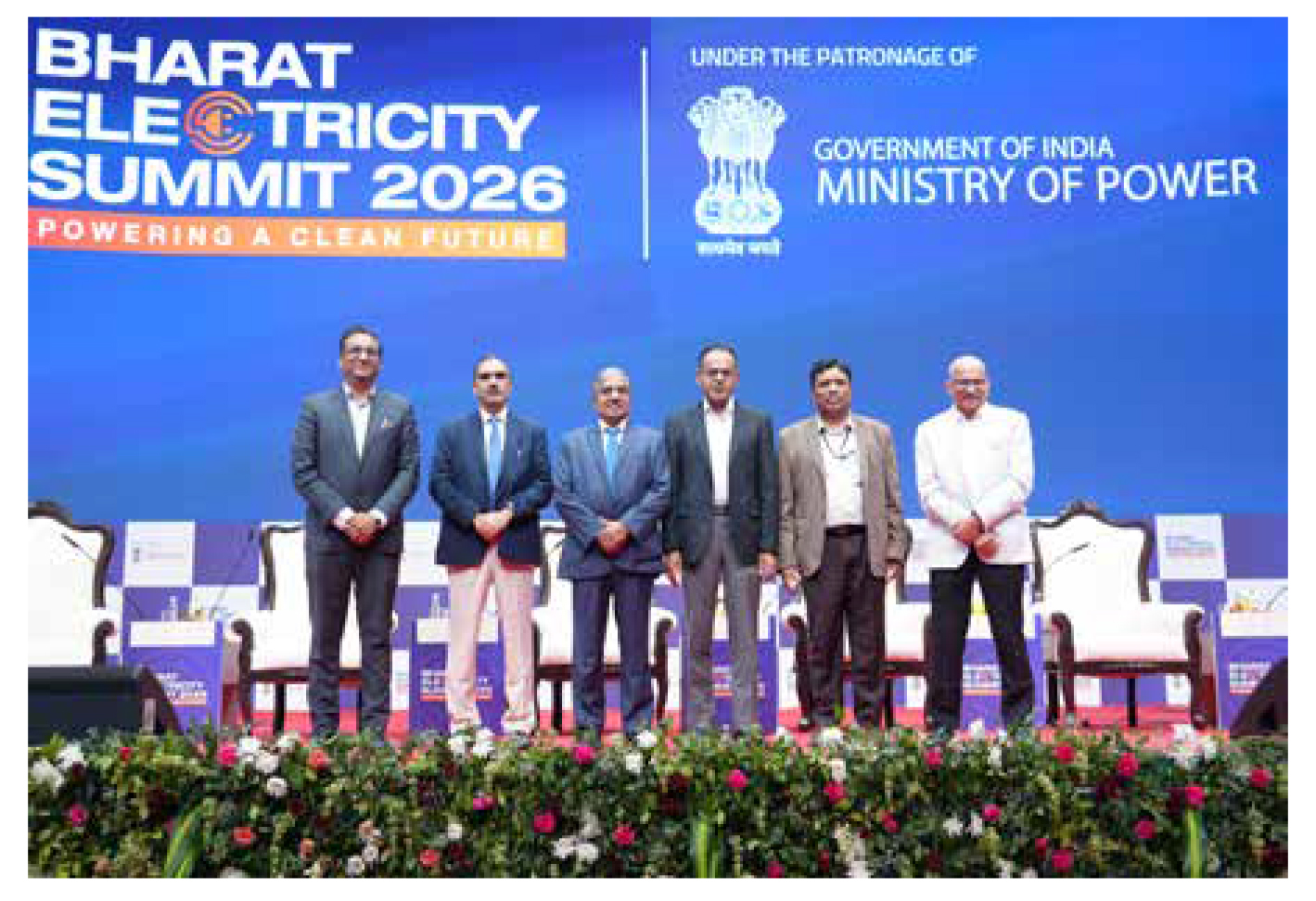
 Strategic Conference
Hydrogen, Ammonia and Green Molecules: Building competitive industrial value
The session titled “Hydrogen, Ammonia and Green Molecules: Building Competitive Industrial Value Chains for India and the World” was moderated by Kapil Bansal, Partner and Energy Transition Co-Lead, EY India, and featured remarks by Abhay Bakre, Mission Director, Green Hydrogen Mission, Ministry of New and Renewable Energy (MNRE); Sangeet Jain, MD, Lanzatech; R.R. Sonde, Professor, IIT Delhi, and Chairman, Hydrogen Valley, Jodhpur; B.C. Tripathi, Vice Chairman, AM Green Ammonia; and S. Shaswattam, ED, NTPC, and Head, NETRA. They highlighted the evolving landscape of the green hydrogen and ammonia sectors, with a focus on policy support, technological innovation, commercial viability and demand creation to build scalable industrial value chains. Edited excerpts…
Abhay Bakre emphasised that the National Green Hydrogen Mission is an ambitious initiative, supported by India’s strong progress in scaling renewable energy over the past decade, particularly solar and wind. Green hydrogen is a highly versatile technology, as it can be converted into multiple forms, such as ammonia and methane, for use across sectors.
On the supply side, there are limited challenges, as renewable capacity expansion and transmission infrastructure are already being addressed. Electrolyser manufacturing is also progressing, with costs declining and domestic production being incentivised under the mission.
However, the main challenge lies on the demand side. While some demand exists, such as blending in refineries and replacing grey ammonia with green ammonia in fertiliser units, there is a need to expand demand across more sectors. The mission is addressing this through incentives, standards and pilot projects. Cost is unlikely to be a long-term concern, and with technological readiness and growing confidence, large-scale adoption is expected. The overall objective remains to create demand and build industry confidence in order to shift towards renewable-based green energy.
B.C. Tripathi noted that two to three years ago, during the early discussions around the energy transition, Europe was seen as a key emerging market, with expectations of strong demand and investment flows, including from India. However, with the evolving global dynamics, the energy transition has experienced some slowdown, reducing the earlier momentum. As a result, the anticipated scale of demand has not materialised, particularly due to geopolitical and energy policy developments worldwide. This has created uncertainty within the industry regarding the pace and timing of project development and investments.
Despite this, the future outlook is positive, as the current situation is temporary and that momentum will return as scale and economic viability improve. However, demand growth remains a key concern, and more work is needed to build industry confidence. On the domestic front, he observed that existing efforts are not yet at a scale sufficient to achieve economic viability. Earlier strategies were focused on tapping export demand first and gradually developing the domestic market. However, there is now a need to rethink this approach and accelerate domestic demand creation without waiting for global markets to fully mature.
 This is particularly important given India’s high dependence on imported natural gas, with significant supply coming from imports at varying and often high prices. In this context, it is critical for India to move faster in developing its domestic green hydrogen and ammonia ecosystem. While oil prices may stabilise relatively quickly, gas prices are likely to remain elevated for the next two to three years. Since ammonia production is heavily dependent on natural gas, this will continue to result in higher costs for gas, ammonia and nitrogen in India. In light of these factors, there is a need to revisit and refine the strategy, with a stronger focus on accelerating domestic demand creation.
Sangeet Jain highlighted that innovation is playing a critical role in advancing cleaner energy pathways. A key focus is on improving processes that enable the production of clean hydrogen while simultaneously enhancing value through effective carbon capture. Further, attention was drawn to the need to diversify carbon feedstocks. Instead of relying solely on conventional sources, efforts are being made to utilise various forms of waste, including industrial waste, agricultural waste and other carbon-rich residues. These waste streams present an opportunity to be converted into useful inputs through advanced processing techniques.
One such approach involves gasification, where solid waste is converted into syngas, consisting primarily of carbon monoxide and hydrogen. In combination with green hydrogen, these processes can be used to produce fuels such as ethanol.
S. Shaswattam opined that coal and coal-based power will continue to play an important role in India’s energy mix. This is primarily because coal remains the country’s most abundant and reliable domestic resource. At the same time, global developments, particularly after the Ukraine conflict, have influenced the way countries are approaching emissions and energy transitions. There is increasing focus on carbon capture, utilisation, and storage as a key pathway to manage emissions while continuing to use existing energy resources. It was emphasised that captured carbon dioxide should not be viewed merely as a by-product but as a resource that can be utilised across multiple applications.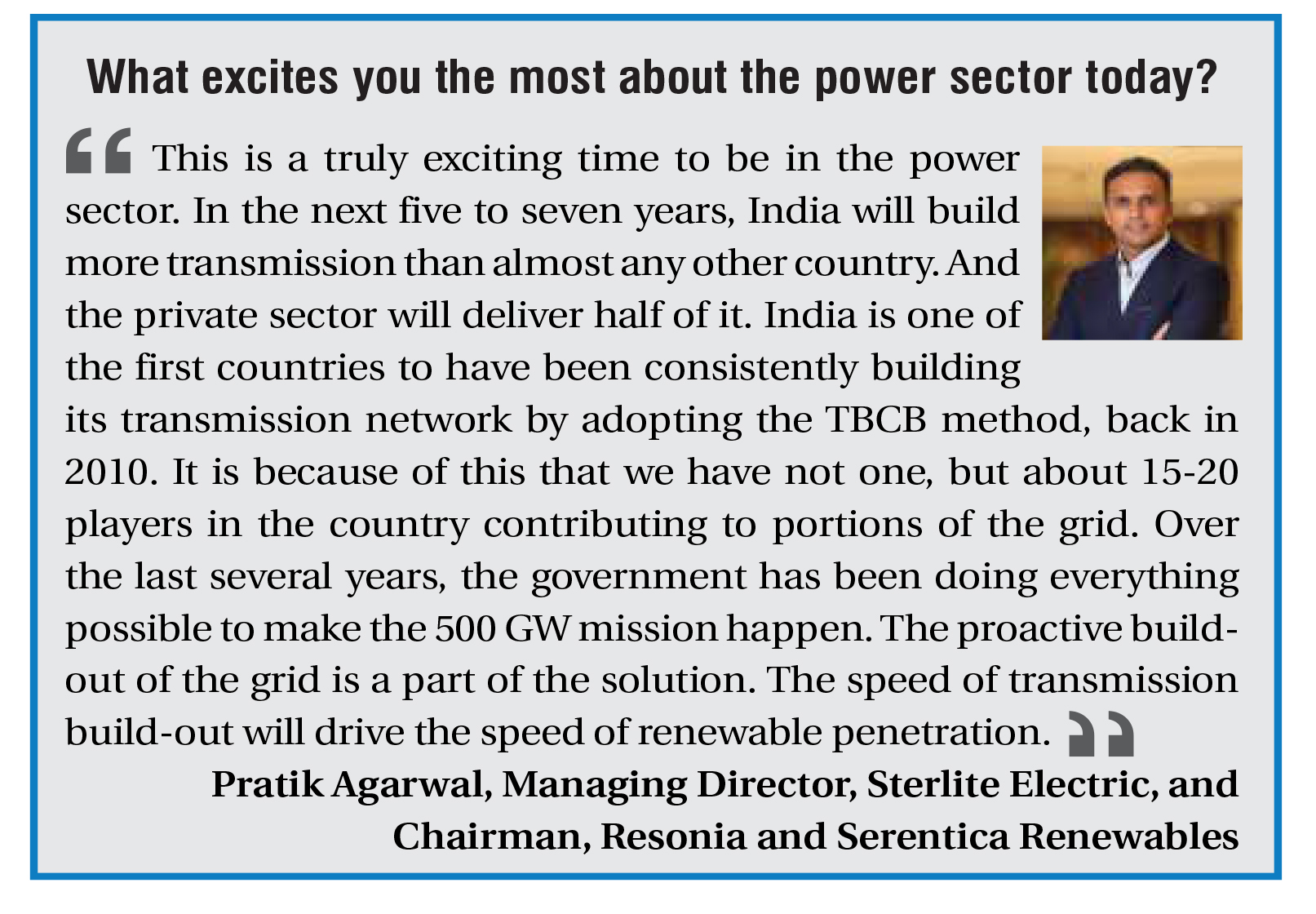
It is positive trend that renewable energy capacity has scaled up significantly, and this will be used for the production of green hydrogen. This hydrogen, when combined with captured carbon dioxide, can open new avenues for producing fuels, chemicals, fertilisers and other value-added products.
R.R. Sonde remarked that while technology challenges in the hydrogen sector can be addressed, the larger issue lies in making these technologies commercially viable. From a commercial perspective, one of the key challenges identified is securing reliable and affordable round-the-clock or firm despatchable renewable energy. Access to a consistent power supply at competitive tariffs remains a major hurdle, and significant effort is currently being directed towards resolving this issue.
Cost competitiveness was identified as another critical factor. Efforts are being made to bring down the cost of hydrogen production to viable levels through partnerships involving both private and public stakeholders. In this context, carbon credits were highlighted as an important enabler. It was suggested that a structured and possibly mandatory framework for carbon credits could significantly improve project economics and accelerate adoption.
AI for Power and Power for AI: Revolutionising performance, upgrading distribution and elevating grid intelligence
The session on “AI for Power and Power for AI: Revolutionising performance, upgrading distribution and elevating grid intelligence” explored the convergence of artificial intelligence (AI) and electricity systems to enhance grid performance, distribution efficiency and intelligence. It was moderated by Prabhav Sharma, Partner, McKinsey and Company, and featured insights from Gerhard Salge, Global Chief Technology Officer, Hitachi Energy; Dr Kwok Wai Ma, Senior Director, Industrial and Infrastructure, Infineon Technologies; Jogendra Behera, Head, Policy, Regulatory and Non-Utility Markets, Apraava Energy; and C.Y. Chung, President, IEEE Power and Energy Society.
Gerhard Salge highlighted the importance of viewing AI in a broader technological context rather than limiting it to narrow definitions such as generative AI. He noted that India has made remarkable progress over the past decades in building one of the largest synchronised power systems globally, with strong reliability and resilience. At a more granular level, developments in states such as Rajasthan demonstrate how the grid is already managing high levels of variable renewable energy, particularly solar, where supply frequently exceeds demand during daytime hours. He emphasised that this achievement is underpinned by advanced technology and deep operational know-how. A key enabler is the intelligent control of converters, which plays a central role in managing power flows in systems with high renewable penetration. Beyond power flow management, maintaining voltage and frequency stability presents an additional layer of complexity, requiring sophisticated control of power electronics.
Salge pointed to grid-forming technologies as a critical solution, which can be deployed within converters or in combination with energy storage systems such as batteries or supercapacitors. These technologies are inherently data-driven and evolve over time, allowing systems to adapt to changing grid conditions. He clarified that grid-forming capability is not a one-time installation but must be implemented appropriately in line with grid transition requirements. He also noted the increasing convergence of transmission and distribution systems, with bidirectional power flows becoming more common. This transformation, supported by intelligent and adaptive technologies, is shaping the future of grid stability and operations.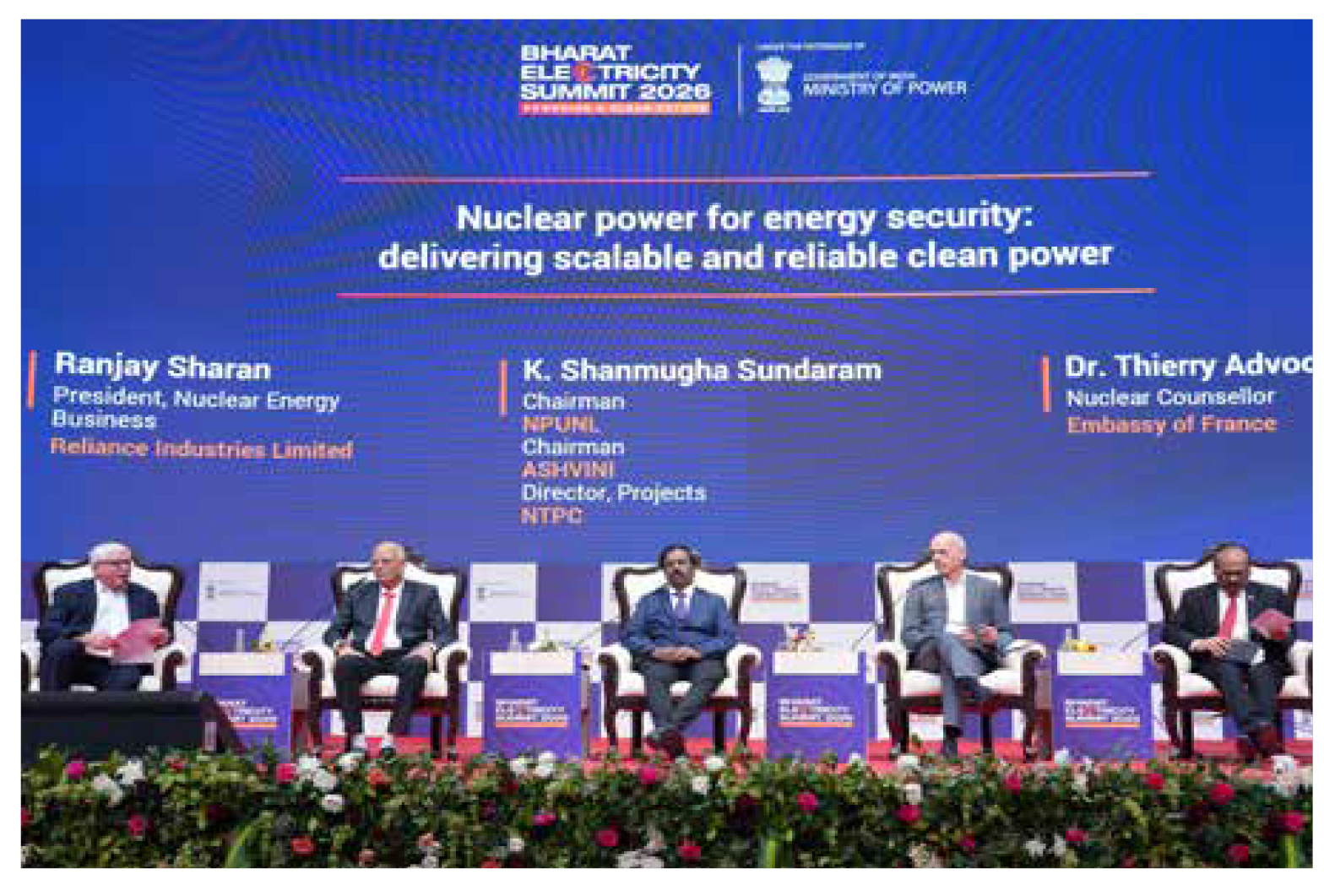
Dr Kwok Wai Ma highlighted the fundamental transition of the global grid from traditional copper-and-iron systems to a power electronics-based grid. He noted that this shift has been under way for the past 20-30 years, driven by the rapid growth of renewable energy sources such as wind and solar, advancements in transmission technologies such as high voltage direct current, and increasing electricity demand from electric vehicles (EVs). He added that these applications are predominantly converter-interfaced, characterised by fast response times and reliance on power electronics for grid interaction, unlike conventional synchronous systems.
He further observed that while these parameters allow converters to become smaller, lighter and more efficient, they present a significant challenge because the traditional grid is not sized for such fast, solid-state converters. Ultimately, Dr Ma concluded that while power semiconductors drive innovation across size, weight and cost, they also create a pressing need to automate the work of these new grid members
C.Y. Chung highlighted that automation is essential for advancing modern power systems, functioning through a closed loop of sensors, communication and control. However, he mentioned that the application of this loop depends on specific regional goals, such as focusing on self-healing to reduce power loss or managing complicated systems involving distributed energy resources and storage.
He explained that automation cannot operate in isolation and must be co-designed alongside generation, transmission and digital networks to be cost-effective. He noted that while promoting EVs reduces pollution, climate change cannot be addressed if the underlying generation still relies on coal-fired power. To fully utilise automation, he emphasised the necessity of a robust architecture for the entire system and the integration of intelligence through AI, particularly for modelling power system components and creating digital twins using real-time information.
Finally, Chung summarised three critical pillars for the industry: the architecture of the entire power system, the empowerment of automation with intelligence, and the importance of scalability. He pointed out that scaling successful projects requires a focus on standardisation and interoperability to ensure long-term success across different regions.
Jogendra Behera noted that the industry is currently tackling the challenge of finding suitable use cases for AI that bring adequate return on investment (ROI). He mentioned that established use cases already include the forecasting of generation, which is vital for the grid and developers, particularly for managing demand-side management as regulations tighten. He also pointed out that internet of things-based predictive maintenance is being used to reduce operations and maintenance expenses and extend asset life.
He further explained that as the industry moves toward hybrid projects with aggregated technologies, AI will help decide when to charge and discharge batteries. He noted that AI would also assist in resource management and navigating complicated market segments to determine participation and pricing. While he mentioned that pilot cases have shown significant changes and good ROI, he observed that moving from a pilot to an operationalised model at scale remains a challenge. He emphasised that for a successful transition, AI must be embedded into existing systems to ensure continuous data flow. He noted that since situations are dynamic, models require continuous calibration.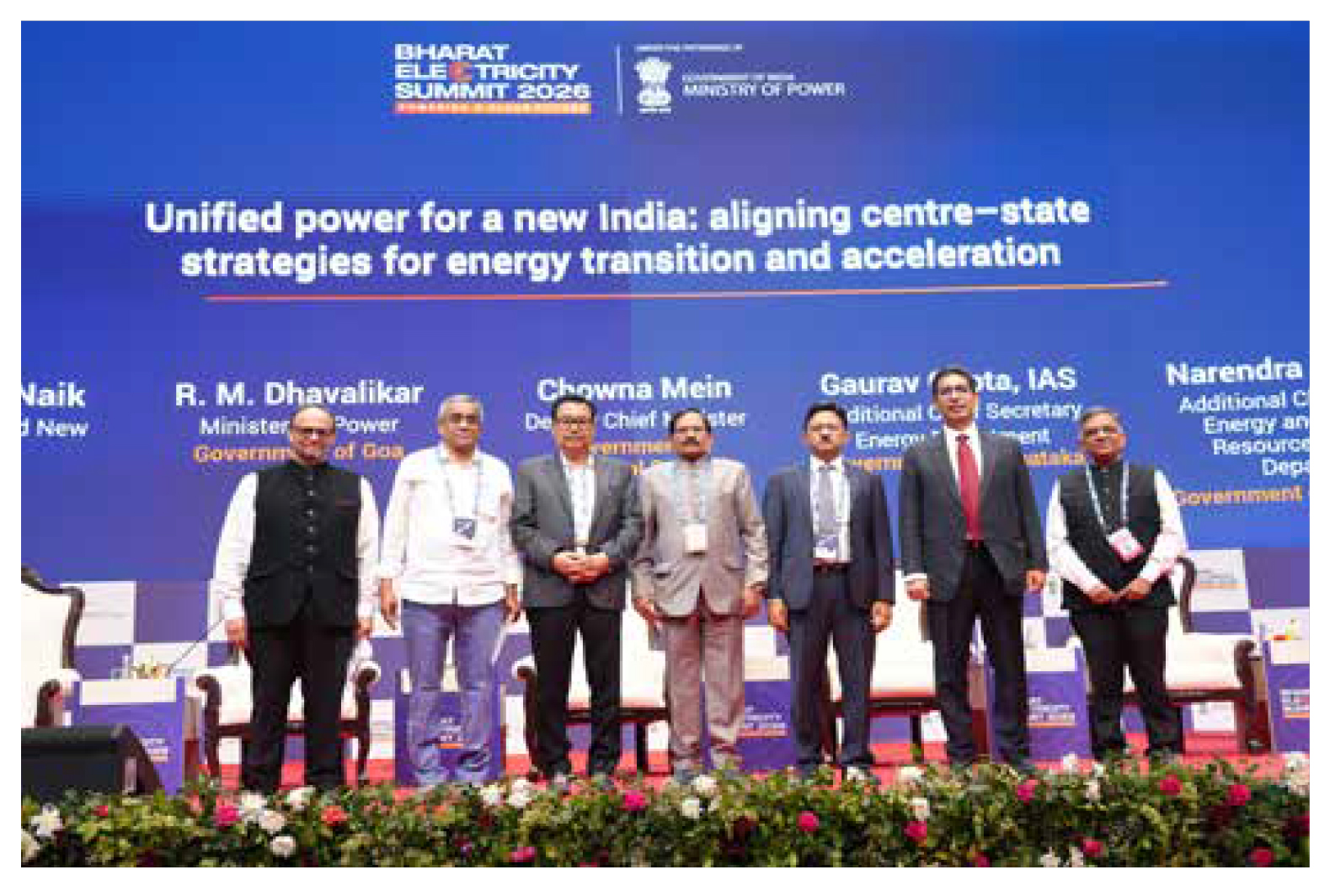
Nuclear Power for Energy Security: Delivering scalable and reliable clean power
The session on “Nuclear Power for Energy Security: Delivering scalable and reliable clean power” featured remarks by Ranjay Sharan, President, Nuclear Energy Business, Reliance Industries Limited; K. Shanmugha Sundaram, Chairman, NTPC Parmanu Urja Nigam Limited, and Vice Chairman (ASHVINI), Director, Projects, NTPC; Dr Thierry Advocat, Nuclear Counsellor, Embassy of France; and Prateek Agarwal, ED, Corporate Planning and Corporate Communication, Nuclear Power Corporation of India. The session was moderated by Chris Gadomski, Lead Analyst, Nuclear, BloombergNEF. The session focused on the development of nuclear energy projects, technological aspects, safety concerns, supply chain management and financing mechanisms in India as well as globally.
Ranjay Sharan highlighted India’s growing confidence in its nuclear programme, reflected in more ambitious capacity targets, policy reforms and increasing openness to private sector participation to meet rising energy demand. He noted that the perception around nuclear energy is gradually improving, supported by government messaging on energy security and climate benefits, although safety concerns persist for some stakeholders.
On the technology front, he observed that large nuclear reactors face greater challenges compared to small modular reactors (SMRs) in terms of cost, deployment timelines, flexibility and project risk. While large reactors benefit from economies of scale, their megaproject nature often leads to cost overruns and delays, making SMRs a potentially more adaptable option to meet evolving grid requirements. SMRs offer greater scalability, siting flexibility and the potential for alternative cooling options, which can help reduce water stress.
He noted that India regards nuclear energy as clean due to its near-zero operational CO2 emissions and its growing role in providing low-carbon baseload power. As India aims for significant nuclear capacity expansion by 2047 under the Viksit Bharat strategy, the nuclear energy segment is expected to witness growth in the future.
Shanmugha Sundaram highlighted the role of nuclear energy in India’s energy transition, noting that the government views it as a clean, reliable baseload source critical for energy security, the Viksit Bharat vision and the net-zero target for 2070. The sector is focusing on capacity expansion through indigenous technologies, alongside the gradual exploration of private sector participation.
Recent legislative reforms such as the SHANTI Act, 2025 support nuclear energy by modernising regulations, enabling private investment and ensuring safety while retaining state control over sensitive areas. The act repeals the Atomic Energy Act 1962 and the Civil Liability for Nuclear Damage Act, 2010 to create a unified framework for scaling nuclear capacity. It permits private companies, joint ventures and approved entities to build, own, operate and decommission nuclear plants/reactors under licence and allows up to 49 per cent FDI/minority equity. It also strengthens the institutional framework by granting the Atomic Energy Regulatory Board statutory powers for licensing, inspections, enforcement and lifecycle oversight (construction to waste).
Sundaram also highlighted the key challenges faced by India’s nuclear power plants including multi-layered clearances, chronic project delays, land acquisition and public opposition.
Dr Thierry Advocat noted that France relies on nuclear power for a large share of its electricity, making it one of the largest producers and a net exporter of Europe. He highlighted France as a leading example of scalable nuclear energy for decarbonisation, in contrast to intermittent renewables.
He also underscored efforts by French startups to accelerate the development of advanced modular reactors, and secure government backing to design compact, factory-built nuclear systems for industrial heat and electricity. Further, collaborations with global partners are positioning France as a hub for next-generation nuclear technology amid Europe’s energy transition.
Prateek Agarwal highlighted that India’s nuclear fleet is predominantly based on pressurised heavy water reactors (PHWRs), reflecting a strategy focused on self-reliance, the use of natural uranium and alignment with the three-stage nuclear programme. He noted that the PHWR supply chain is highly localised, supported by indigenous manufacturing under NPCIL and DAE oversight. PHWRs account for the bulk of operational capacity, leveraging domestic resources in the context of historical import constraints.
He added that India’s SMR development is still at an early stage, facing challenges related to regulatory readiness, design validation, supply chain development and private sector participation. Regarding the project pipeline, Agarwal noted that NPCIL is targeting a significant capacity expansion by 2031-32, building on the current base and scaling further towards 2047 through a mix of PHWRs and light water reactors. The pipeline includes reactors under construction, fleet-mode projects and planned additions.
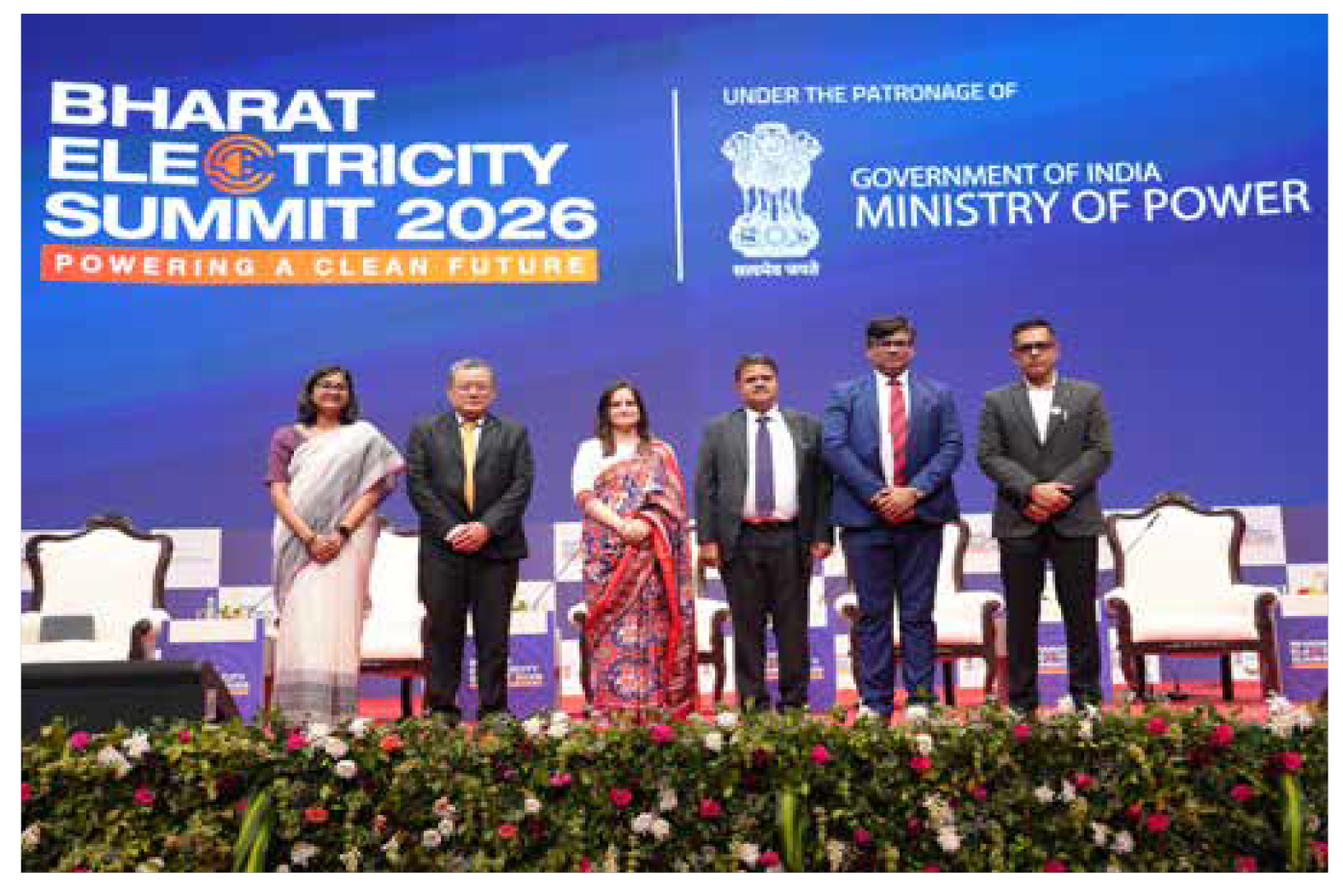 Unified Power for a New India: Aligning centre-state strategies for energy transition and acceleration
The panel titled “Unified Power for a New India: Aligning centre-state strategies for energy transition and acceleration” featured a discussion among Shripad Yesso Naik, Minister of State for Power and New and Renewable Energy, Government of India; R.M. Dhavalikar, Minister for Power, Government of Goa; Gaurav Gupta, IAS, Additional Chief Secretary, Energy Department, Government of Karnataka; Narendra Bhooshan, Additional Chief Secretary, Energy and Additional Resources of Energy Department, Government of Uttar Pradesh; Chowna Mein, Deputy Chief Minister, Arunachal Pradesh; Arun Goyal, Former Member, CERC and Former Secretary, Government of India; and Neville Dumasia, Partner and Leader, Industrials and Energy, EY India (moderator). The panellists highlighted the importance of deeper coordination between the central and state governments to support India’s evolving power sector and clean energy transition. The discussions focused on strengthening policy alignment, improving financial sustainability in the distribution segment and enabling infrastructure expansion to accommodate the rapid growth of renewable energy. Edited excerpts…
Shripad Yesso Naik noted that India’s power sector has undergone a major transformation over the past decade, with significant expansion in generation capacity, improvements in infrastructure and stronger operational performance across the value chain. However, the next phase of the transition will depend more on addressing structural gaps in alignment and implementation. A key challenge identified is the financial sustainability of the distribution segment, where persistent inefficiencies continue to affect investor confidence, renewable energy integration and the overall credibility of the power market. Distribution sector reforms are a fundamental requirement for scaling future investments and ensuring long-term sector stability.
The need for consistent implementation of renewable purchase obligations and other policy commitments at the state level was also highlighted, as these mechanisms translate national energy transition goals into on-ground action. Since electricity is a concurrent subject in India, effective coordination between the central and state governments remains essential, particularly in areas such as planning, regulation, infrastructure development and enforcement. Strengthening institutional mechanisms and policy frameworks will therefore be critical to aligning national ambition with state-level execution. Looking ahead, the next phase of India’s energy transition is expected to be driven by innovation and emerging technologies such as energy storage, green hydrogen, electric mobility and distributed energy resources, and supported by policies that enable investment, decentralised solutions and long-term system reliability.
R.M. Dhavalikar highlighted that Goa’s power sector operates in a distinctive context characterised by high electricity demand, limited land availability for large-scale generation and a continued reliance on power purchased from outside the state. Despite the absence of significant state-owned generation capacity, the state has maintained strong operational performance by improving efficiency and reducing distribution losses through better management practices and institutional reforms. Goa also stands out for its high per capita electricity consumption and strong performance on sustainability indicators, earning top rankings in the Sustainable Development Goals assessment by NITI Aayog. Significant efforts have been made to strengthen power infrastructure through the undergrounding of distribution networks across several urban areas, enhancing reliability and resilience. Looking ahead, the state aims to ensure that its power supply infrastructure remains capable of meeting future demand in a reliable and sustainable manner.
Gaurav Gupta opined that constructive engagement between the central and state governments has played an important role in shaping India’s evolving power sector strategy. Regular consultations and coordinated planning have contributed to the development of long-term resource adequacy planning, which aims to ensure both energy security and a smooth energy transition. Through this collaborative process, states have been actively involved in assessing their future energy needs and aligning procurement strategies with national goals, with technical oversight from the Central Electricity Authority. This improved clarity in planning has enabled several states to accelerate renewable energy adoption and move ahead of earlier timelines for integrating clean energy capacity.
He also noted that states are increasingly preparing for higher renewable penetration through both large-scale and distributed renewable energy solutions. At the same time, the importance of long-duration storage technologies was emphasised, particularly pumped storage projects, which can provide multi-day balancing support to the grid. However, the development of such projects often faces environmental and forest clearance challenges, which require careful coordination between multiple government agencies. Efforts are currently underway to streamline these processes and facilitate project development. Overall, the interaction between the centre and states was described as increasingly collaborative, helping align planning, policy and implementation while supporting India’s broader clean energy transition objectives.
Narendra Bhooshan emphasised that strong policy direction and strategic guidance from the central government are critical for advancing India’s clean energy transition and ensuring coordinated progress across states. Recent national policies supporting solar, bioenergy and other clean energy technologies have helped establish a clear framework that states can build upon through their own policy initiatives and implementation mechanisms. Programmes such as the PM Surya Ghar: Muft Bijli Yojana and PM-KUSUM were cited as examples of initiatives driving the large-scale deployment of distributed solar energy across the country. He also emphasised the need for better coordination on issues such as transmission development, grid flexibility and energy storage as renewable penetration increases. Concerns were also raised regarding inter-state transmission system charges, as higher transmission costs can affect the competitiveness of renewable power procurement. Looking ahead, emerging technologies such as green hydrogen and biomass-based energy solutions were identified as potential opportunities, with expectations that supportive policies and technological progress could help reduce production costs and strengthen their role in India’s evolving clean energy landscape.
Chowna Mein pointed out that Arunachal Pradesh holds significant potential for renewable energy development, particularly in the solar and hydropower sectors. In the context of the national vision of Viksit Bharat, it was emphasised that the country must effectively harness its abundant natural resources to support long-term economic growth and energy security. The development of renewable resources must be supported by robust transmission infrastructure to ensure seamless power evacuation and integration with the national grid. Strengthening transmission networks was therefore highlighted as a key priority for enabling the efficient utilisation of renewable energy resources and supporting balanced, sustainable development across regions.
Arun Goyal observed that achieving India’s energy transition and capacity expansion targets will require significantly greater participation from the private sector across the power value chain. For private investment to scale, a clear and stable policy and regulatory framework is essential. While the overall policy direction from the central government has been supportive, ensuring regulatory alignment between the centre and states remains critical, particularly in areas such as grid management and system operations. The need for states to align their grid codes with the central grid code prepared by the Central Electricity Regulatory Commission was highlighted as an important step towards maintaining system reliability as renewable energy capacity expands. A major concern identified was the financial sustainability of distribution companies, which remains the weakest link in the power sector. Persistent gaps between the cost of supply and realised revenues continue to affect the sector’s financial health and limit private sector participation in the distribution sector. Strengthening the financial viability of discoms is essential for ensuring long-term investment, sector stability and effective utilisation of generation and transmission infrastructure.
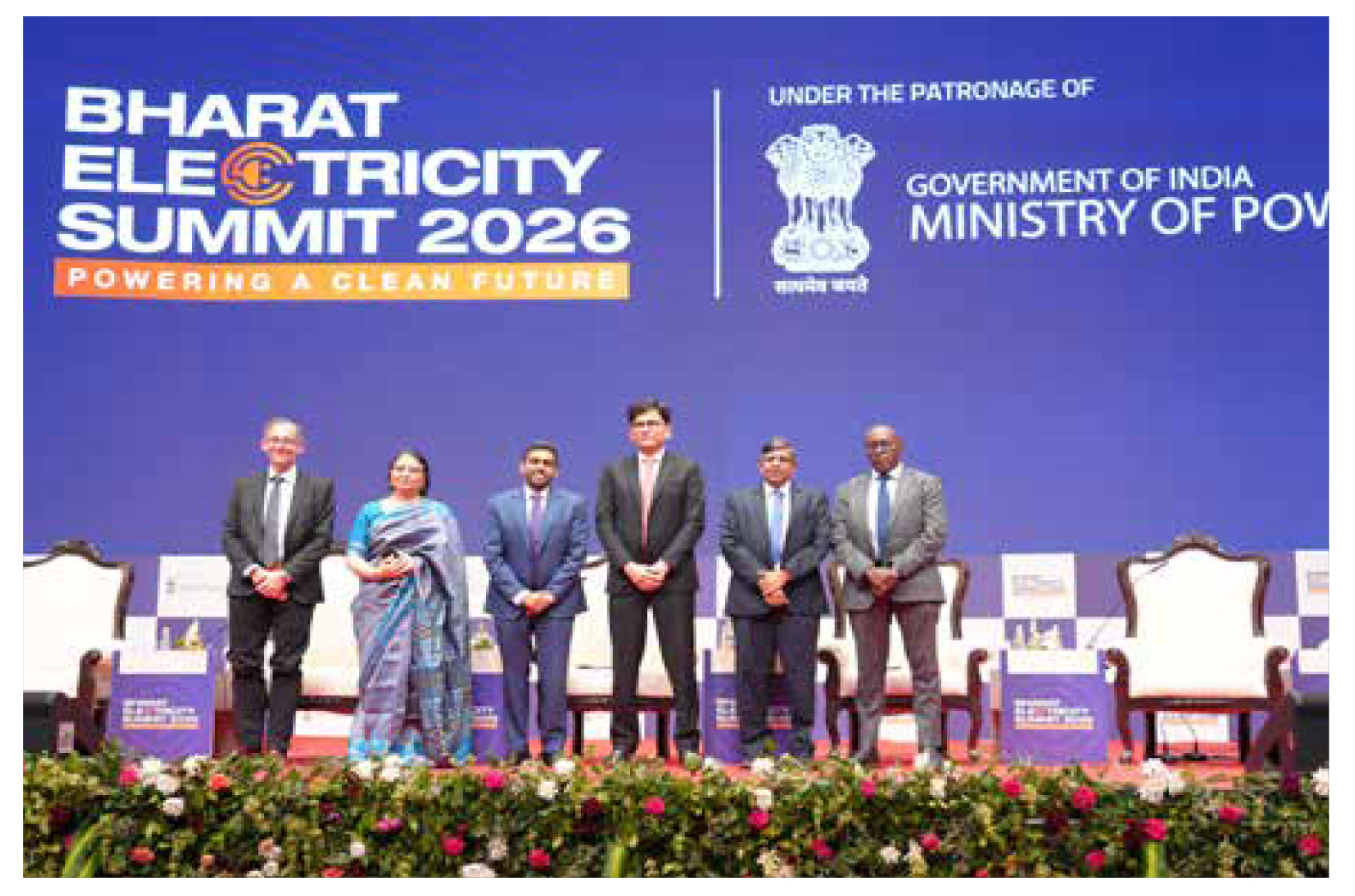 Electrification at Scale: Power trading systems and growth trajectories for a low-carbon future
The session “Electrification at Scale: Power trading systems and growth trajectories for a low-carbon future” featured a panel comprising Sonam Tobjey, Chief Executive Officer, Bhutan Power Corporation Limited; Harish Saran, Managing Director (MD), Hindustan Power Exchange; Neha Aggarwal, MD, Arunachal Pradesh Power Corporation Private Limited; Shailendra Shukla, MD, Mobility Group, India, Eaton Industrial Systems; and Vishal Vij, Head, Energy Services, Tata Power Trading Company Limited. The session was moderated by Krithika P.R., Program Lead, International Council on Clean Transportation.
Sonam Tobjey highlighted the growing significance of cross-border power cooperation in shaping regional energy security. He noted that India’s expanding electricity trade with neighbouring countries such as Nepal, Bangladesh and Bhutan has evolved into a more structured and sophisticated framework, strengthening both technical integration and diplomatic ties. This cooperation, he observed, is central to reducing systemic risks and building a more resilient regional grid.
Reflecting on Bhutan’s journey, he pointed out that early collaborations with India, particularly in hydropower development, were constrained by limited financing options and access challenges. However, the landscape has changed significantly over time. Today, Bhutan is interconnected with India through multiple transmission links, enabling deeper operational and commercial engagement.
A key recent development, he emphasised, is the opening up of the Indian power market to Bhutan. This transition from a purely bilateral arrangement to market-based participation marks a major shift, offering new avenues for optimising surplus clean energy. He described this as a game changer for Bhutan’s power sector. Looking ahead, Tobjey stressed the need for greater harmonisation of systems and policies to fully utilise the region’s clean energy potential, particularly as generation capacity continues to expand.
Neha Aggarwal emphasised the growing pressure on distribution utilities arising from increasing electricity demand and the accelerating adoption of electric vehicles (EVs). She noted that India’s power demand is expected to grow at 6-6.5 per cent annually, with EV penetration emerging as a key driver. With EV adoption projected to increase from about 7.6 per cent currently to 30 per cent by 2030, this transition is expected to add nearly 10-12 GW of additional load to the grid.
She highlighted that EV charging demand is likely to be concentrated during peak evening hours, driven largely by commercial and passenger vehicle usage in urban clusters. This, she pointed out, will significantly strain already stressed distribution networks. To address this, discoms will need to undertake substantial infrastructure upgrades, including strengthening transformers, augmenting feeders and expanding substation capacity.
Aggarwal also underlined the importance of load management strategies. She noted that a single fast EV charger can add a load of 25-50 kW, comparable to that of multiple households, making demand aggregation a critical concern. In this context, she stressed the need to shift EV charging to off-peak hours through mechanisms such as time-of-day tariffs. This would help align demand with solar generation, improve load curves and support India’s renewable energy and net-zero targets.
Harish Saran highlighted the transformative role of power exchanges in India’s electricity market since their introduction in 2009. He noted that, prior to this, consumers were largely dependent on short-term bilateral arrangements with limited flexibility. The emergence of power exchanges has enabled greater flexibility while also providing critical price signals essential for an efficient and competitive market.
He observed that, with ongoing regulatory changes, power exchanges are expected to play an increasingly significant role, similar to their counterparts in advanced markets. Turning to EVs, Saran pointed out that adoption has been slower than initially anticipated, partly due to structural limitations in the current framework. At present, EV consumers rely primarily on discoms, which typically offer uniform tariffs across the day, limiting their ability to benefit from price variations in the market. He emphasised that, with the increasing share of solar generation, there is a clear opportunity to leverage lower daytime tariffs.
Shailendra Shukla presented the user-side perspective of EV adoption, emphasising its importance in India’s energy security, given that a significant share of the country’s oil requirements is met through imports. He noted that while global benchmarks indicate much higher EV penetration levels, adoption in India remains relatively modest. He identified key bottlenecks constraining faster uptake, foremost among them the lack of adequate charging infrastructure. Even where infrastructure exists, interoperability remains a concern, with variations across vehicle types, charging systems and geographies limiting seamless usage. Additional challenges relate to vehicle range and charging time, though these are expected to improve with technological advancements.
On the solutions front, Shukla highlighted the role of integrated energy management approaches, such as building-as-a-grid solutions, which enable the optimised utilisation of renewable and grid power. He underscored that digitalisation will be central to the energy transition, working in tandem with physical infrastructure development.
He also pointed to the need for more streamlined user interfaces, noting the absence of a unified platform for locating and accessing charging infrastructure. Addressing these gaps through coordinated technological and market-driven solutions, he noted, will be critical to accelerating EV adoption in India.
Vishal Vij highlighted the growing complexities in grid management arising from the rapid expansion of solar PV capacity. He noted that increasing rooftop and distributed solar installations are leading to reverse power flows, while distribution infrastructure upgrades have not kept pace with this growth. This imbalance, he pointed out, raises concerns around how utilities will manage evolving demand and system stability.
He emphasised that as EV adoption grows, questions around the “greenness” of power consumption are becoming more prominent. Ensuring that renewable energy can be reliably traced and delivered to end consumers remains a challenge. In this context, he underscored the need for innovative market mechanisms such as virtual power purchase agreements and other emerging contractual structures to bridge this gap.
Vij also highlighted the importance of integrating advanced solutions, including vehicle-to-grid technologies and battery energy storage systems, to enhance grid stability and manage intermittency. He noted that while multiple solutions are being explored, including aggregator-based models and artificial intelligence-driven approaches, challenges remain due to the relatively small and dispersed nature of loads. He stressed that achieving sectoral goals will require coordinated progress across generation, transmission and distribution, supported by enabling policies, technology adoption and sustained capital investment.
 Financing Global Power Transition: Converting ambition into bankable projects
The session titled “Financing Global Power Transition: Converting ambition into bankable projects” explored the critical shift from technological challenges to the urgent need for massive financial mobilisation and the creation of robust investment ecosystems in the energy sector. It featured insights from Parminder Chopra, Chairman and Managing Director, Power Finance Corporation (PFC); Dr Katan Hirachand, Chief Executive and Chief Country Officer, Societe Generale; Shashank Joshi, Deputy CEO, MUFG India, and Head of Global Corporate Banking, India, MUFG Bank; Ravisankar Ganesan, Director, Finance, Power Grid Corporation of India; and Kaniaru Wacieni, Senior Investment Director, Africa 50. The session was moderated by Dr Marko Lackovic, MD and Senior Partner, BCG.
Parminder Chopra highlighted the key enablers for financing, including favourable policy measures, predictable long-term revenue streams, robust contractual design and risk allocation, and aligning financing tenures with asset life. She emphasised that bankability extends beyond individual projects and must be built across the broader ecosystem.
She noted that a green taxonomy could be a game changer for India’s energy transition. For this, the industry must identify priority areas and establish a common framework for policymakers, lenders and investors to define what qualifies as “green”. The taxonomy is expected to influence capital flows, with preferential funding likely for green projects.
Dr Katan Hirachand observed that India has made impressive strides in energy penetration, moving beyond basic renewables to complex hybrid round-the-clock and green energy projects. He noted that the track record of timely project delivery and backward integration, such as with solar module and wafer manufacturing, has garnered significant confidence from international banks. India possesses a unique global model where developers manage everything from project anchoring to engineering, procurement and construction, which helps manage delivery risks. He noted that beyond the state-agency model, growth is visible in the commercial and industrial sector and the uncontracted merchant power market, which is crucial for meeting peak demand.
Shashank Joshi noted that the current global policy environment and international commitments are creating strong momentum for financing on-ground decarbonisation. He noted that MUFG has committed over $3 billion in the past three years towards renewable energy, storage and supply chain projects, while also supporting green energy platforms to scale India’s market. However, he emphasised that from a lender’s perspective, key risks remain around evolving technologies and transmission readiness, which are common across the financial sector. He pointed out that project delays are often inevitable in large infrastructure developments and stressed the need for mechanisms to compensate such delays to maintain investor confidence. Joshi also underlined the constraints posed by limited domestic long-term capital and the resulting dependence on global financing. He suggested that stronger institutional frameworks, potentially through a central coordinating agency, could help streamline processes, improve risk allocation and unlock larger pools of global capital for long-term debt financing.
Ravisankar Ganesan emphasised that while India’s renewable energy capacity is expanding rapidly, transmission infrastructure remains the critical backbone of the power sector. He noted that the intermittent and unpredictable nature of renewable energy poses significant challenges for grid stability and operations. Managing variability, ensuring frequency and voltage stability, and integrating large volumes of renewable energy require both technological innovation and sustained investment in transmission systems. He highlighted that India’s regulatory framework has played a key role in building investor confidence, particularly through stable tariff structures, periodic reviews and assured returns on equity. These mechanisms have enabled significant growth in transmission infrastructure and supported long-term financing. Ganesan also pointed to the growing importance of battery energy storage systems as a complementary solution to transmission, enhancing grid flexibility and efficiency. Policy initiatives such as viability gap funding and regulatory incentives are further supporting deployment, enabling better resource utilisation and attracting diversified funding for future infrastructure needs.
Kaniaru Wacieni pointed out that the challenges of financing energy and infrastructure projects in Africa closely mirror those seen in other regions, including India. He noted that Africa faces an annual infrastructure financing gap of around $100 billion, underscoring the urgent need to scale up bankable projects. Key issues include ensuring appropriate risk allocation, strengthening credit structures, and maintaining consistent and predictable policy environments, particularly around tariffs and contractual frameworks. He emphasised the importance of moving beyond individual project development towards programmatic approaches, including standardised contracts and power purchase agreements, to accelerate project delivery at scale. Wacieni also stressed that mobilising private capital is essential, given the limitations of public funding. In addition, he highlighted the significant untapped potential of domestic capital, particularly pension funds, which currently allocate only a small share to infrastructure. Unlocking this capital can lower financing costs and improve affordability while ensuring long-term, sustainable investment outcomes.
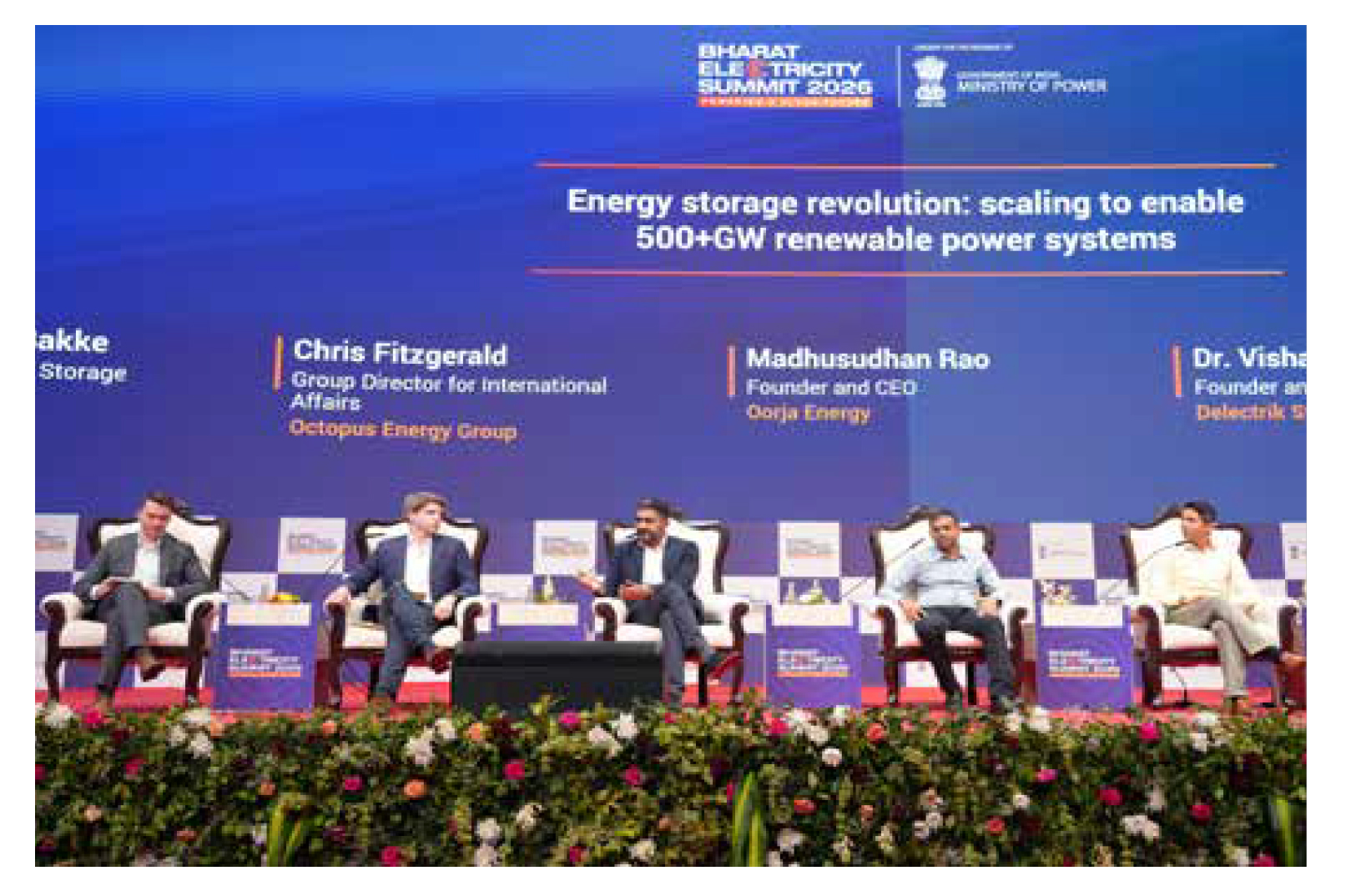
Energy Storage Revolution: Scaling to enable 500+ GW renewable power systems
The session titled “Energy Storage Revolution: Scaling to enable 500+GW renewable power systems”, was moderated by Marius Mordal Bakke, VP and Head of Solar and Storage Research at Rystad Energy, and included Pratyush Thakur, Investment Director and Country Head, Blueleaf Energy; Dr Vishal Mittal, Founder and CEO, Delectrik Systems; Chris Fitzgerald, Group Director for International Affairs, Octopus Energy Group; and Madhusudhan Rao, Founder and CEO, Oorja Energy as panellists. The discussion focused on one core point: storage is becoming central to grid integration, market design and demand management.
Pratyush Thakur pointed out that storage is still slotted into a supporting role, even though the power system is already shifting from pure deployment to grid integration. India is adding about 20-25 GW of renewables every year, but transmission is not keeping pace. There is already a large capacity of renewable projects which have not signed PPAs, showing the importance of grid integration. The country’s 500 GW non-fossil fuel target will not be sustainable without storage.
Besides harnessing daytime solar to meet evening demand, batteries can provide capacity support, frequency response and grid balancing. If the market pays for these services, deployment will rise faster. India must move more activity into the spot market.
Dr Vishal Mittal noted that the key challenge in the renewable sector is not generation, as power from the sun, wind and hydro can be harnessed by many countries with self-sufficiency. The hard part is storage expansion. Cost comparisons of battery technologies is still too fragmented, with original equipment manufacturer tariff quotes varying widely. The larger lesson is that the sector should build a market first and manufacturing second. Policies, in fact, should focus first on creating demand, then on scaling local supply.
Chris Fitzgerald said the real value in storage comes from the combination of assets with software optimisation and trusted despatch. Storage is only as useful as the digital layer behind it, because that is what allows assets to be coordinated, forecast and monetised. Batteries are not only about shifting electricity from day to night – they can deliver services that support the grid in real time, and in some cases can even use AI and forecasting tools to anticipate outages before they occur. According to him, flexibility can be built through coordinated digital control, not only through new physical capacity.
Madhusudhan Rao noted India’s load profile is different from that of many Western economies because demand is concentrated in large urban pockets and cooling demand is rising fast. He cited Delhi as an example where the peak electricity load is rising and said that with more air-conditioning and electric vehicles, the evening gap will only widen. In this setting, thermal storage can absorb surplus electricity and shift cooling demand away from the grid. Comparing costs directly, thermal storage can be far cheaper than battery storage. Moreover, there are projects in Delhi where cooling loads are already being shifted away from direct electricity use. Hence, storage policy should not be limited to electrochemical systems. Thermal storage should be treated as part of the same planning framework, especially for commercial buildings and urban cooling.
 India’s Global Clean Energy Supply Moment: Transforming “Make in India” into “Make for the World”
The session on “India’s Global Clean Energy Supply Moment: Transforming ‘Make in India’ into ‘Make for the World’” focused on India’s growing role as a global manufacturing hub amid shifting clean energy supply chains. It highlighted the need for advanced grid infrastructure, quality-driven procurement and globally aligned standards to support renewable integration and enhance export competitiveness. The session featured remarks by Pankaj Agarwal, Founder and CEO, Panitek Green Ventures; Atul Choudhari, CTO, Tata Consulting Engineers Limited; and Sunil Das, Director, Hyosung T&D India, and was moderated by Abhishek Shah, Partner, Renewables and Energy Storage, KPMG.
Pankaj Agarwal noted that India’s clean energy manufacturing market is experiencing rapid growth driven by government incentives such as PLI schemes and Budget 2026 priorities, positioning the country as a global hub while reducing import dependence. Key sectors include solar modules, batteries, wind components and other components, with significant capacity expansions but some delays in incentives.
He added that India’s clean energy manufacturing growth is poised to drive substantial cost reductions through scale, localisation and reduced import reliance. This is expected to lower the levellised cost of electricity and equipment prices, enhancing project viability. He emphasised that while India’ss clean energy recycling sector is emerging with supportive policies and initiatives, it remains nascent with limited operational capacity to handle growing waste volumes.
Atul Choudhari noted that traditional manufacturing has evolved into self-correcting, intelligence-driven ecosystems with real-time anomaly detection, adaptive controls and end-to-end supply chain visibility. India can integrate smart sensors, edge computing, robotics and Industry 4.0 from the outset, positioning itself as a scalable exporter of premium clean energy tech worldwide. This is expected to elevate India beyond its reputation as a fast, cost-effective supplier to a reliable, scalable global partner capable of delivering advanced clean energy technologies worldwide.
Choudhari further highlighted the critical role of testing norms, international standards and equipment sustainability in India’s clean energy sector to ensure quality, reliability, safety and global compliance amid rapid scaling. On new technologies, he believes that the digital twins technology will revolutionise the clean energy ecosystem design by simulating 3D/4D/5D models with real-time physics-based performance before physical construction. This is expected to improve product quality, performance predictability, bankability, on-time delivery and post-commissioning reliability, positioning India for smart manufacturing exports that global markets increasingly demand over conventional methods.
According to Sunil Das, India’s transmission and distribution sector has undergone a rapid transformation in recent years, largely driven by the sharp increase in renewable energy deployment. While renewable energy expansion has accelerated across the country, it has also introduced new challenges related to grid stability and integration.
Das highlighted the growing focus on advanced transmission technologies to address these challenges. Higher voltage transmission systems, particularly at the 765 kV level, are being increasingly deployed to enable efficient bulk power transfer. At the same time, flexible grid support solutions such as STATCOMs as well as high voltage direct current systems are gaining prominence. Further, battery energy storage systems are gaining traction, driven by the intermittent nature of renewable sources. He noted that multiple tenders are being issued by POWERGRID, the Solar Energy Corporation of India and various state utilities, reflecting the increasing emphasis on renewable integration and grid stability. Looking ahead, initiatives aligned with the Viksit Bharat 2047 vision are expected to significantly expand renewable capacity, creating sustained demand for advanced transmission and distribution solutions. He also pointed to emerging trends such as digitalisation and unmanned substations, which are set to shape the future of the sector.
Das also spoke about the need for greater emphasis on quality and reliability in procurement processes. He pointed out that India’s tendering framework continues to be largely driven by the lowest-cost or L1 approach, often through reverse auctions. In contrast, global markets tend to prioritise quality-based evaluation and lifecycle performance. This poses a disadvantage for manufacturers investing in higher-quality products.
 TECHNICAL CONFERENCES
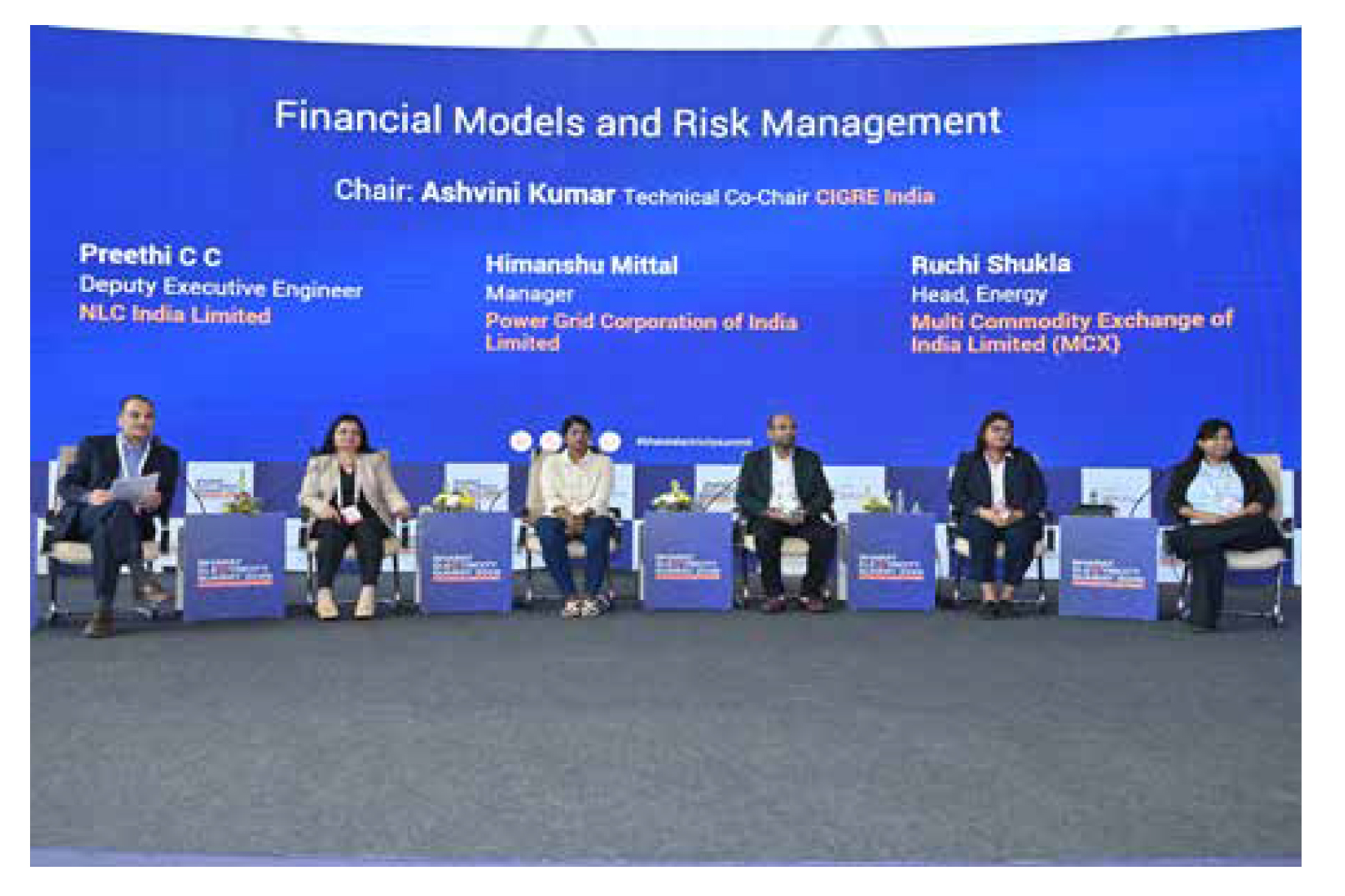
Financial Models and Risk Management (Finance, Regulatory and Policy)
The technical session on “Financial Models and Risk Management” was chaired by Ashvini Kumar, Technical Co-Chair, CIGRE India, and featured a discussion among Trusha Biswas, Head of Technology and Quality, Tata Power Company Limited; Preethi C.C., Deputy Executive Engineer, NLC India Limited; Himanshu Mittal, Manager, Powergrid Corporation of India Limited; Ruchi Shukla, Head, Energy, Multi Commodity Exchange of India Limited; and Kaarthika Maheswaran, AGM, Engineers India Limited. The session examined the key barriers to green finance adoption, and highlighted the role of cross-border and regional financing frameworks, electricity market risk management and artificial intelligence (AI) to improve cost estimation for power generation projects.
Green finance is critical to the energy transition, but its adoption remains constrained by structural barriers. These include economic and financial challenges such as high uncertainty, misaligned incentives, limited market mechanisms and reliance on energy savings for project viability. Regulatory and institutional gaps, including fragmented regulations, weak policy frameworks and institutional lock-ins, further impede progress. In addition, societal and behavioural factors, such as negative public perception and resistance to change, along with technological and market constraints such as high upfront costs, lock-in effects and limited technology maturity, continue to slow adoption.
In the context of cross-border power links with neighbouring countries such as Nepal, Bhutan, Bangladesh and Myanmar, interconnections based on high voltage alternating current, high voltage direct current and even subsea cable systems involve high upfront capital expenditure and long payback periods. In this context, green finance instruments such as green bonds, multilateral development bank loans and blended finance are particularly relevant because they can provide long-tenor capital that matches asset lives of 25-40 years. Such financing can help align transmission expansion not just with power trade objectives but also with climate goals.
AI can improve cost estimation in power generation. Cost estimation is not merely a budgeting exercise but a strategic tool influencing investment decisions, regulatory approvals, technology selection, project financing and risk mitigation. Conventional costing approaches are increasingly inadequate in today’s volatile environment because they rely heavily on historical benchmarks, static cost databases and fixed contingencies, while failing to fully account for commodity volatility, supply chain disruptions, exchange rate movements and correlated project risks.
In contrast, an AI-based framework treats cost as a dynamic probability distribution rather than a fixed value. It begins with data integration and preprocessing, followed by predictive machine learning using variables such as installed capacity, technology configuration, geography, terrain, grid complexity and execution strategy. This is complemented by time-series forecasting of key cost drivers, including commodity prices, equipment costs, logistics rates, labour indices and exchange rates.
Overall, the sessions underscored that the financing of future power systems will require a more integrated approach spanning policy, markets, risk analytics and digital tools. Whether in scaling green finance, supporting cross-border transmission links, or improving cost estimation for generation projects, the focus is shifting towards frameworks that are more dynamic, data-driven and risk-aware.
Digital and Resilient Grid Operations (Transmission and Grid Operations)
The session titled “Digital and Resilient Grid Operations (Transmission and Grid Operations)” featured Anil Sharma, General Manager (GM), BSES Yamuna Power Limited; Manish Patel, GM, Siemens Energy India Limited; Akshay Sharma, Manager, Power Grid Corporation of India Limited (POWERGRID); Anand Nayak, Manager, POWERGRID; and Karan Katariya, Research Scholar (PMRF), IIT Kharagpur as panellists. The session discussed key gaps and challenges in digital grid operations, including limitations in digital learning platforms such as the lack of procedural realism, physical context representation and human-equipment interaction, as well as gaps in existing virtual reality (VR) platforms like limited end-to-end validation, competency measurement and scalable content availability.
The panel also highlighted challenges in urban distribution networks such as increasing operational complexity due to fixed overhead and underground systems, limited feeder automation, frequent third-party cable damages, legacy SCADA systems with poor data integration, and incomplete real-time visibility – leading to slower fault detection, longer outages and higher operational complexity.
Additionally, the discussion covered the role of artificial intelligence (AI)-enhanced fault isolation in identifying minimum fault zones, optimising switching decisions using real-time data and improving restoration readiness, along with the potential of VR-based training to enable structured learning, gamified experiences, validated task sequencing and performance-based evaluation for a more efficient and adaptive workforce.
Governance and Policy for Energy Transition (Finance, Regulatory and Policy)
The session’s panellists comprised Pankaj Pandey, Executive Director, POWERGRID; Santosh Kundu, General Manager, Damodar Valley Corporation; Sachin Yadav, Manager, POWERGRID; Anand Kumar Singh, Adviser to the Supreme Court of India; and Dr Prabodh Baipai, Professor, IIT Kanpur.
The session brought out key insights on the evolving institutional, regulatory and operational landscape required to support a low-carbon energy future. A central theme of the discussion was the growing need for integrated and harmonised systems, both at the domestic and international levels, to enable efficient energy transition. The panel highlighted that as electricity systems evolve over time, coordination across grid operations, connectivity standards and regulatory mechanisms becomes critical, particularly in the context of expanding cross-border energy trade and the vision of interconnected regional and global grids.
A major insight was the importance of regulatory frameworks in enabling energy markets. The discussion emphasised that beyond physical infrastructure such as generators, load centres and transmission lines, robust market rules, trading regulations and long-term agreements are essential to facilitate power exchanges. The transition toward integrated grids was seen not only as a means to improve energy access but also to enhance grid stability, optimise resource utilisation and reduce balancing requirements across regions.
The session underscored India’s growing role in regional energy cooperation, particularly through cross-border electricity trade with neighbouring countries. It was noted that such collaborations can improve energy security, enable efficient utilisation of resources like hydropower and contribute to affordability. However, challenges such as high infrastructure investment requirements, lack of regulatory harmonisation and geopolitical uncertainties were identified as key barriers to deeper integration.
Integration of New Energy Resources and Flexibility (Transmission and Grid Operations)
The technical session on “Integration of New Energy Resources and Flexibility” was chaired by Dr Manohar Singh, Associate Professor, Punjab Engineering College. The session featured Abhishek Gupta, Head, Appliances and International, Energy Efficiency Services Limited; Karthik Patolla, Chief Manager, Grid Controller of India Limited; Vikash Yadav, Manager, Power Grid Corporation of India Limited; Anuj Verma, Manager, NTPC Limited; and Stuti Gandotra, Senior Manager, Wartsila India Private Limited. The session examined demand flexibility as a system resource, the institutional and digital foundations needed to scale it, and the growing importance of advanced renewable forecasting in high-penetration grids.
Demand flexibility must move from the periphery to the centre of grid planning, not merely as a pilot concept but as a critical system resource that can modulate or shed consumer load in response to grid conditions. Its applications include peak shaving during supply stress, load shifting to align with daytime solar generation, and real-time modulation to stabilise frequency amid variable renewable output.
However, urban and commercial and industrial pilots remain constrained by structural barriers, including bespoke hardware and protocols, weak measurement and verification systems and limited incentives, the absence of capacity accreditation and weak discom-level financial drivers. Utilities and independent power producers must prioritise flexibility not only for operational reliability, but also to hedge against price spikes, mitigate losses from negative prices, reduce portfolio risk and unlock new revenue streams.
There is a need for a unified digital foundation to scale demand-side flexibility. The current approach, characterised by ad hoc utility-level contracts, bespoke communication systems and weak or unverified baselines, needs to evolve towards a standardised, interoperable digital marketplace supported by open protocols and grid-scale virtual power plants. The proposed scaling pathway envisages an immediate goal of establishing the digital marketplace, a 2027 milestone of discovering 1 GW of potential, and an ultimate 2030 goal of integrating 5 GW of flexibility into daily wholesale and ancillary service markets. This would also enable aggregator-led virtual power plants across multiple discoms. This shift would require regulatory innovation aligned with technical capability.
Integrating renewable energy at scale remains a key challenge. India’s power system is increasingly exhibiting duck curve characteristics, leading to higher curtailment risks and growing stress on transmission infrastructure, including delays in the roll-out of high voltage direct current corridors. In this context, battery energy storage systems can serve as a strategic complement – and in some cases a partial alternative – to transmission expansion. Storage can help reduce renewable curtailment, enable faster deployment, relieve congestion and support frequency regulation. At the same time, traditional deterministic and statistical forecasting models are becoming less effective in high-solar systems. This is driving a shift towards machine learning and deep learning-based approaches that can better capture variability and uncertainty.
Overall, renewable integration is no longer just a question of adding generation capacity. It now depends equally on flexibility, digital coordination, market design, storage economics and forecasting sophistication. As India moves towards higher renewable penetration, the ability to build scalable flexibility platforms, deploy storage strategically and improve forecast accuracy will be essential for maintaining grid stability, reducing system costs and making the power sector more responsive to dynamic operating conditions.
SPECIAL PROGRAMMES
Industry 4.0 Technologies in the Transmission Sector
The special session on “Industry 4.0 Technologies in the Transmission Sector” featured a discussion among industry experts on the role of advanced technologies such as digitalisation, artificial intelligence, geospatial tools and adaptive protection systems in transforming transmission networks. It featured opening remarks by Dr D. Sai Baba, Additional Secretary, Ministry of Power, Government of India; Dr R.K. Tyagi, Chairman and Managing, POWERGRID; and Professor Ashok Jhunjhunwala, Chairman, Immersive Technology and Entrepreneurship Labs, and Institute Professor, IIT Madras, Immersive Technology and Entrepreneurship Labs (ITEL), which was followed by presentations and discussion among industry experts.
India’s power sector has undergone a significant transformation over the past decade, evolving from a focus on access and adequacy to that on scale, reliability and surplus capacity. With over 0.5 million km of transmission networks and an inter-regional transfer capacity exceeding 120 GW, the country today operates one of the world’s largest synchronous grids. As the system continues to expand, the focus is gradually shifting from capacity addition to improving efficiency and resilience, and enabling smarter grid operations.
This transition is being driven by multiple emerging trends. Rapid growth in renewable energy, increasing electrification across sectors, rising adoption of electric vehicles, and new demand from data centres and green hydrogen are reshaping power system requirements. As a result, transmission networks must not only expand, but also become more flexible, responsive and reliable to handle dynamic and non-linear demand patterns.
Technology is playing a central role in enabling this shift. Digitalisation is improving grid visibility, supporting faster decision-making and enabling better utilisation of existing assets. Advanced tools such as artificial intelligence and data analytics are increasingly being used for forecasting, planning and real-time system management. At the same time, geospatial technologies are enhancing how utilities plan and operate networks. By combining satellite data, mapping tools and digital platforms, utilities can better track assets, optimise transmission routes, monitor infrastructure and respond more effectively during disruptions.
However, the growing share of renewable energy is also introducing new operational challenges. Unlike conventional power systems, where faults are easier to detect due to clear electrical signals, renewable-based systems behave differently. This makes fault detection and system protection more complex. In addition, the lower system inertia adds further uncertainty to grid behaviour. In response, there is a shift towards more flexible and intelligent approaches such as adaptive protection systems. These systems can adjust their settings in real time based on network conditions, improving reliability in dynamic environments. Faster detection methods and data-driven decision-making are also becoming essential to ensure stability in increasingly complex grids.
Alongside this, large-scale infrastructure expansion continues, with significant investments planned in transmission systems. Addressing challenges such as right of way constraints and ensuring efficient project execution remain key priorities. Capacity building, particularly in digital and cybersecurity skills, is also critical to support this transformation. Looking ahead, India’s power system is expected to grow significantly in both size and complexity, with installed capacity projected to more than double by 2035. Managing such a system will require widespread adoption of advanced technologies, including automation, smart monitoring and predictive maintenance. The future grid is likely to be more self-reliant, data-driven and resilient, capable of supporting the country’s clean energy ambitions while ensuring reliability and efficiency at scale.
Stationary Energy Storage India (SESI) 2026
Stationary Energy Storage India (SESI) 2026, organised by the India Energy Storage Alliance (IESA), brought together several industry leaders, including S.C. Saxena, Chairman and Managing Director, GRID-India; Sivakumar Vepakomma, Director, Power Systems, Solar Energy Corporation of India Limited; Mahadevan Srinivasan, Head, BESS (Renewables IC, India), Larsen & Toubro; Naveen Munjal, Director, BDGC, Apraava Energy; Vinayak Walimbe, Managing Director, IESA and Customized Energy Solutions; Debmalya Sen, President, IESA; and Venugopal Rao, Chairman and Managing Director, Pacedigitek. The speakers shared insights on the battery energy storage systems (BESSs) in India.
The discussions focused on the challenges faced by the sector including safety, supply chain dependence and long-term reliability of projects. These issues are now shaping how storage projects are deployed, priced and regulated.
Battery fires are not only a cell-level problem; they are a system-level risk. Several global incidents have highlighted this problem. Suppression alone is not enough if heat keeps building inside the pack. Once thermal runaway starts, the system can generate more heat than it can dissipate, and that can push the failure from one cell to the next. Off-gassing adds another layer of risk because the gases can be toxic and dangerous for workers and firefighters. Residual energy is also a serious issue because re-ignition can happen after a delay of hours, days or even weeks. That means battery safety has to be designed around containment, detection, cooling and post-fire monitoring, not just fire suppression.
As a result, standards frameworks are not only becoming more structured, but also more demanding. Several standards from the Bureau of Indian Standards are now in place. These standards now cover hazard identification, risk analysis, risk evaluation, exposure control, warning communication, quality requirements and remote software upgrades. This is important as BESSs are now more digital and more connected than before.
The business reality is even sharper. India is entering a storage-led transition, and the speakers agreed that BESSs will play an extremely important role as renewable power expands. India’s demand is rising fast, but the cell ecosystem supply chain is not yet fully domestic. This creates a direct exposure to price swings. Cell prices have fluctuated significantly over the past 24 months. This volatility creates direct margin pressure because project bids are often fixed 12-18 months before delivery, and cell prices can shift sharply during that period. The result is margin compression for developers and engineering, procurement and construction players. This means that L1-based procurement is pushing the market towards the lowest initial price rather than the most durable system. This creates a structural risk because the buyer is often locked into a 20-year performance obligation while the seller is only pricing for current market conditions.
Project execution shows that storage is now moving from theory to industrial practice, but the supply chain is still fragile. Projects built on greenfield land take longer than expected to reach the commissioning stage. Engineering approvals, container handling, customs clearances and hybrid energy management system integration are the key factors causing such delays. Therefore, success is not only about output; it also depends on logistics, customs, transport, container handling and service readiness.
Domestic manufacturing is advancing, but it is still uneven. Companies are now commissioning facilities in the 5-7 GWh range. Some are also exploring future chemistries such as lithium iron phosphate. However, the deeper challenge remains: India still needs a more complete cell and materials ecosystem, clearer domestic content rules and stronger lifecycle accountability. Without these, energy storage risks becoming a high-volume import business.