
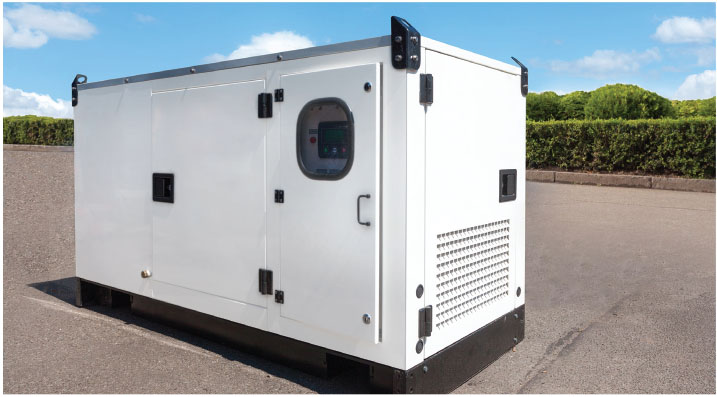
 The diesel engine and generator set (genset) market is experiencing dynamic shifts influenced by technological advancements, regulatory changes and evolving demand from various sectors. This market is evolving due to the introduction of new fuel options and innovative technologies. Multi fuel and hybrid solutions are at the forefront, offering flexibility and efficiency by combining diesel with alternative fuels such as natural gas, biodiesel and hydrogen. Additionally, the integration of diesel gensets with renewable energy sources, such as solar or wind power, is gaining traction. This hybrid approach enhances overall system efficiency, reduces reliance on fossil fuels and supports sustainability goals. As industries seek greener and more adaptable energy solutions, these advancements in fuel options and hybrid technologies are set to shape the future of the diesel engine and genset market.
The genset market is segmented into four primary categories based on power rating: low (5-75 kVA), medium (75.1-350 kVA), high (350.1-750 kVA) and very high (750.1-3,000 kVA). Low rating gensets dominate the market, primarily used in the telecom sector for backup power in grid-connected areas and as baseload power in off-grid regions. Medium to high rating gensets find applications in hospitality, healthcare, IT, construction and large industrial segments, while very high rating gensets are crucial for emergency backup and critical standby power in data centres, healthcare facilities, manufacturing units, government bodies and mining operations.
Regarding market size, according to the Central Electricity Authority, the diesel-based generating capacity of utilities across the country totals 589.2 MW as of May 2024, which is just 0.13 per cent of the total installed capacity. Approximately 36 per cent (212 MW) of diesel-based capacity is concentrated in Tamil Nadu, 27 per cent (160 MW) in Kerala, and the remaining in the Andaman & Nicobar Islands (93 MW), Andhra Pradesh (37 MW), Manipur (36 MW), Lakshadweep (27 MW) and Karnataka (25 MW).
Growth drivers
Several factors are driving the demand for diesel engines and gensets across various sectors, with infrastructure development playing a significant role. The construction sector, especially in remote areas where grid power is unavailable, relies heavily on gensets to power various operations. This sector is particularly boosted by the National Infrastructure Pipeline, a massive investment initiative amounting to Rs 102 trillion. Approximately 60 per cent of this investment is expected to benefit construction-intensive sectors, underscoring the critical role of gensets in facilitating continuous and efficient construction activities.
The growth drivers for diesel engines and gensets are largely fuelled by the increasing demand for reliable and uninterrupted power across various sectors. As commercial and industrial (C&I) establishments expand, the need for robust backup power solutions becomes more critical to ensure continuous operations and prevent costly downtime. Additionally, the manufacturing sector’s expansion drives the demand for dependable power sources to support production processes and maintain operational efficiency. This rising need for consistent and reliable power across diverse applications is a significant factor propelling the growth of the diesel engine and genset market.
In the mining sector, the continuous power supply required to operate heavy machinery is crucial. Gensets provide the necessary power, especially in remote mining locations where grid connectivity is often lacking. This demand is further driven by ambitious targets such as Coal India Limited’s goal of achieving 1 billion tonnes of coal production. The reliance on gensets in the mining industry underscores their importance in supporting large-scale industrial operations.
In the telecom sector, the demand for diesel engines and gensets is driven by the critical need for reliable, uninterrupted power supply. Telecom infrastructure, including cell towers and data centres, requires consistent energy to maintain network operations and data integrity. Diesel engines and gensets offer a dependable backup power solution during outages or fluctuations in the primary power supply, ensuring continuous service availability and minimising downtime. As the telecom industry expands and the reliance on digital communication increases, the role of diesel-powered solutions in safeguarding operational efficiency becomes even more crucial.
Further, the rising digitalisation and post-Covid 19 expansion of data centres have led to an increased demand for high capacity gensets. Data centres require a reliable backup power source to ensure uninterrupted operations, and high capacity gensets fulfil this critical need. As digital infrastructure continues to grow, the demand for gensets in data centres is expected to remain strong, highlighting their essential role in maintaining the resilience and reliability of digital operations.
Technological trends
Technological advancements are transforming the diesel engine and genset market, enhancing efficiency, sustainability and performance. A key trend is the integration of IoT technology into gensets, enabling the remote monitoring of parameters such as fuel levels, coolant levels and engine temperature. This smart technology improves operational efficiency, supports predictive maintenance and optimises performance, ultimately reducing costs and enhancing reliability.
A key technological trend is the development of hybrid gensets, which combine diesel engines with renewable energy sources such as solar PV systems. This integration reduces diesel fuel dependence, lowers costs and minimises environmental impact. By using solar power to supplement diesel, these hybrid gensets offer a cleaner, more efficient and reliable power solution, aligning with global sustainability efforts and enhancing energy efficiency.
Emission control has become a critical focus area for genset manufacturers due to stringent environmental regulations aimed at reducing harmful emissions. To comply with these norms, manufacturers are developing gensets with improved combustion processes and advanced emission control technologies. These innovations include the integration of battery energy storage systems and the use of solar power to create cleaner power solutions. By improving the efficiency of combustion and deploying sophisticated emission control techniques, manufacturers are able to significantly reduce the levels of pollutants such as carbon monoxide, nitrogen oxides, unburned hydrocarbons and particulate matter. These efforts not only help meet regulatory requirements but also contribute to the overall reduction of the industry’s environmental footprint, promoting a more sustainable approach to power generation.
Issues and challenges
Despite the promising growth prospects, the diesel genset market encounters several significant challenges. A primary obstacle stems from stringent environmental regulations. Emission-related concerns have prompted authorities in pollution-prone regions such as the Delhi National Capital Region (NCR) to impose bans on diesel gensets. On September 29, 2023, the Commission for Air Quality Management (CAQM) issued a directive allowing the use of diesel gensets in the NCR solely for essential services until the end of 2024. This order aims to mitigate the adverse effects of air pollution while balancing the operational needs of crucial services. The CAQM’s decision follows ongoing concerns about air quality, aiming to enforce stricter measures during periods of high pollution. Essential services permitted to use diesel gensets include healthcare, water supply and emergency services. The CAQM’s move is part of a broader strategy to tackle air pollution and improve the quality of the environment in the NCR. These regulatory pressures compel manufacturers to innovate, leading to the development of cleaner and more efficient genset models. This not only addresses environmental compliance but also aligns with broader global efforts to reduce the carbon footprints and combat climate change.
Another challenge is the growing competition from renewable energy sources. The increasing adoption of solar energy systems, particularly rooftop solar installations, by both C&I consumers is gradually reducing the reliance on diesel gensets. Renewable energy offers a more sustainable and cost-effective alternative, which is attractive to businesses looking to minimise energy costs and environmental impact. Furthermore, government initiatives aimed at replacing diesel gensets with gas-based alternatives in certain regions are accelerating this shift. These policies are designed to expand the use of cleaner energy sources, thus impacting the traditional diesel genset market.
Additionally, the narrowing power deficit in many areas poses a challenge to the genset market. Improvements in grid reliability and a reduction in peak power deficits have decreased the need for backup power solutions like diesel gensets. As grid infrastructure becomes more dependable, the demand for gensets as a secondary power source diminishes. This trend is particularly noticeable in regions where significant investments in grid upgrades have been made, resulting in a more stable and reliable electricity supply. Consequently, the market for gensets, particularly those used for backup power, faces a decline in demand due to these advancements.
Outlook
In the short to medium term, the demand for diesel gensets is expected to remain robust, driven by sectors such as railways, marine, mining, construction and data centres. However, the long-term outlook suggests potential disruptions due to the rise of renewable energy and battery storage solutions as the country works towards reducing emissions significantly by 2030.
Akanksha Chandrakar