
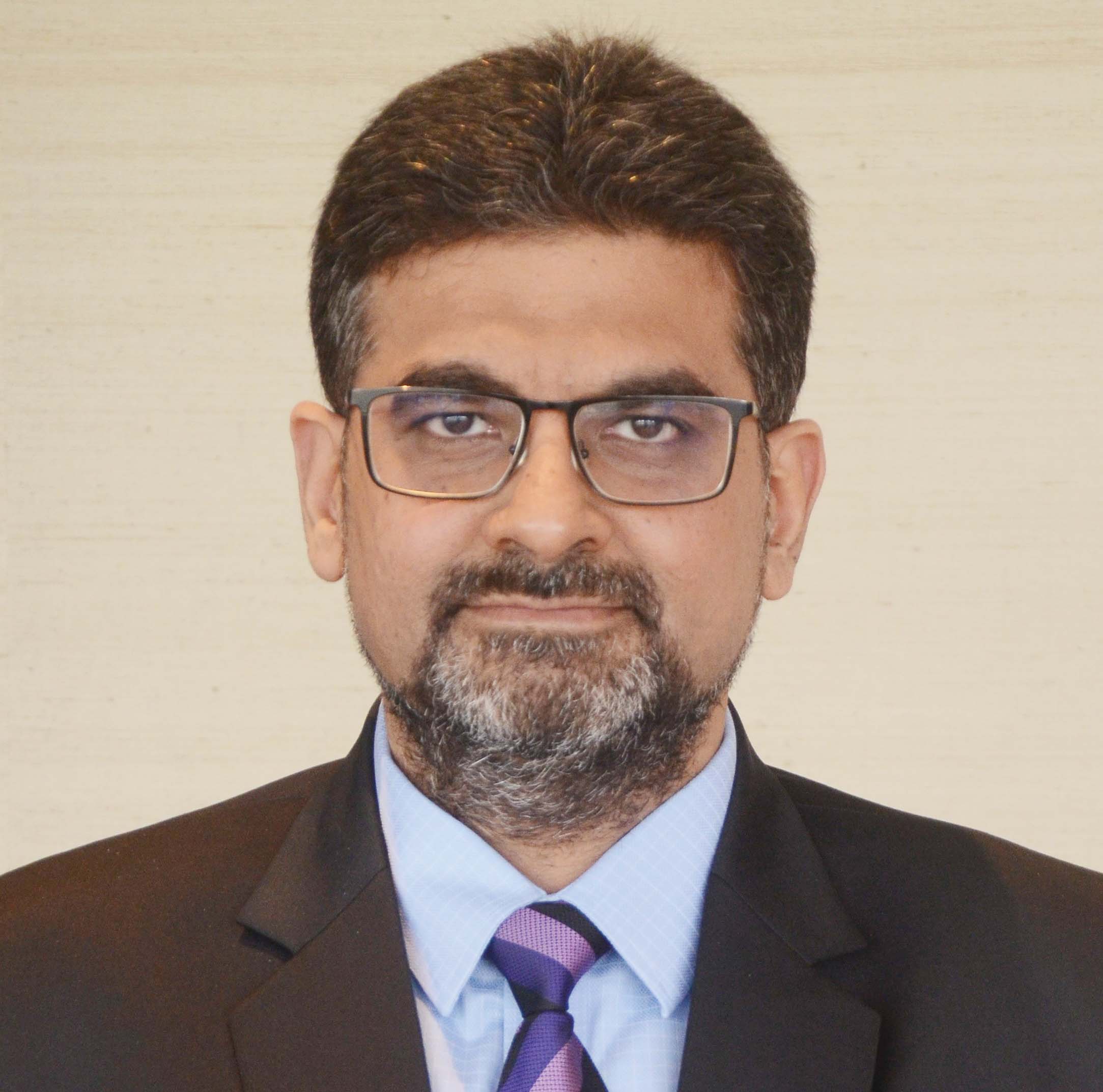
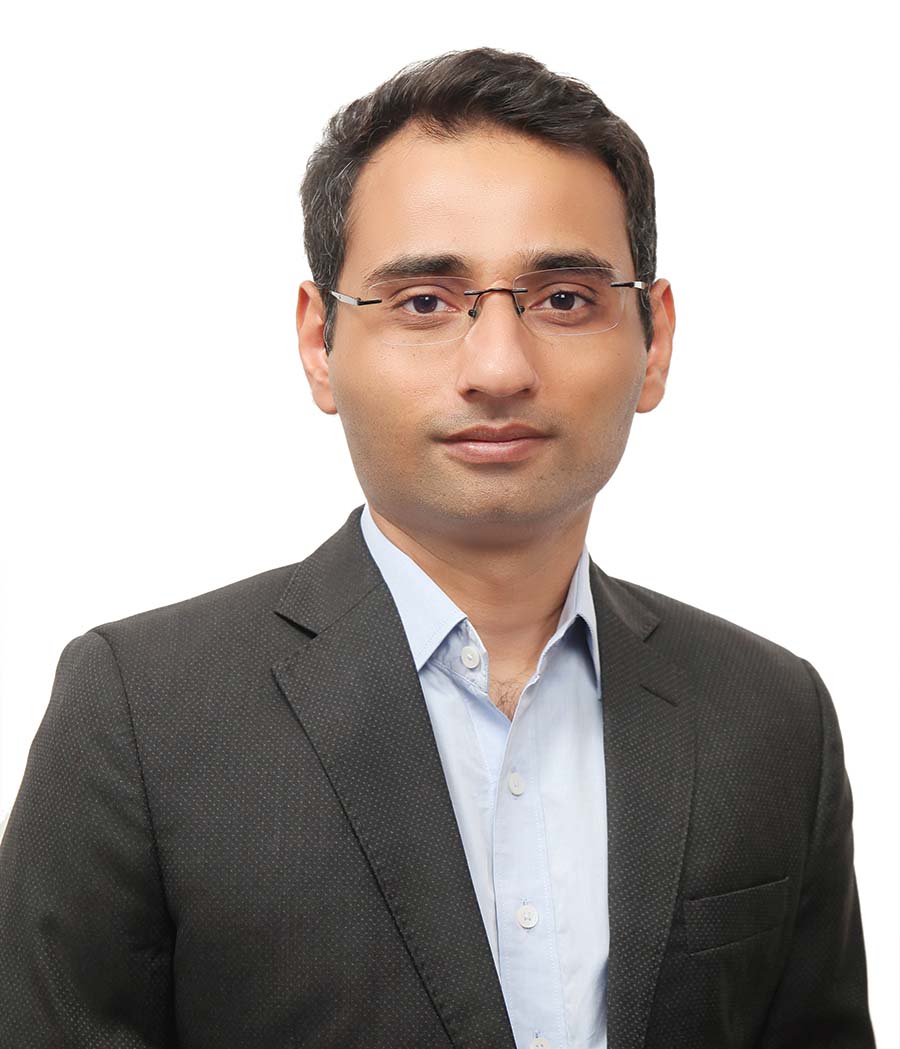
 Vikas Gaba, Partner and National Head (Power and Utilities), and Ankit Anurag, Associate Director (Power and Utilities), KPMG in India
Since 2014, South Asia has been the fastest growing region globally. Over the past decade, its GDP, as well as the per capita income, has grown by over 1.5 times. Driven by favourable demographic dividends, substantial infrastructure investments and ongoing economic reforms, the region is expected to sustain this economic growth in the years to come.
The energy sector has played a pivotal role in driving this growth. The increasing population and growth in both the manufacturing and services sectors have led to a surge in electricity demand. In Bangladesh, Bhutan, India, Nepal and Sri Lanka, electricity demand has grown on average by over 5 per cent annually over the past two decades and this is expected to more than double by 2050. Keeping pace with the rising demand, South Asian countries have significantly expanded their energy infrastructure. The power generation capacity in the region has increased from 190 GW in 2010 to over 550 GW in 2024. Electricity access has improved significantly to 98.3 per cent in 2022, with most of the countries achieving universal electrification. Consequently, per capita electricity consumption has also increased, with countries like India experiencing a 40 per cent growth in the past decade.
Until the past decade, most of these countries were dependent on a single resource for power generation. However, this has changed significantly in recent years where almost all the South Asian countries have pursued the diversification of fuel sources in the power generation mix. The region has set a collective renewable energy target of achieving approximately 584 GW by 2030, and each country has committed to net zero ambitions.
Over the past decade, cross-border electricity trade (CBET) has played a crucial advancing the region and various developments have provided a strong fillip to the sector. CBET volumes have tripled since 2010. While these trades have been largely limited to bilateral agreements, the recent commencement of CBET on the power exchanges has opened new avenues for countries. Notably, the CBET on the exchanges has doubled within a year of its commencement. Despite these developments, South Asia remains the least integrated region in the world. A more deeply integrated power system can yield substantial socio-economic benefits for the region. Hence, it is critical to fully harness and enhance energy trade amongst the different countries in South Asia.
Country status and priorities
The following section delves into the country-specific perspectives and developments in the generation, transmission and distribution segments, as well as the overall sector scenario.
Bangladesh
Over the past decade, Bangladesh has made significant progress in its power sector, with the installed capacity almost tripling to approximately 28 GW as of July 2024. However, the energy mix is predominantly reliant on fossil fuels and imports. Oil and gas accounts for 75 per cent of the installed capacity, followed by coal and power imports at 11 per cent each.
High dependence on fossil fuels makes Bangladesh’s power sector susceptible to externalities. For instance, the geopolitical developments in 2022 disrupted the power generation and supply in the country. This was marked by a steep increase in prices for oil, gas and electricity, and also resulted in the shutdown of several diesel-run power plants. Electricity tariffs increased by over 33 per cent within a span of one year in 2022. Frequent power cuts disrupted economic activities, especially production in the garment sector, which contributes more than 10 per cent to the country’s GDP. Power outages led to a decline in production, forcing reliance on costly diesel generators, which increased production costs.
In order to enhance energy security and establish a sustainable energy regime alongside conventional sources, the Bangladesh government has prioritised the development of renewable energy. It has set a target to increase the share of clean energy-based generation by up to 40 per cent by 2041. At present, renewables comprise approximately 3 per cent of the total capacity, while as per the ongoing plan, new renewable energy capacity of 3.6 GW will be added by 2030, along with the development of two nuclear units of 2.6 GW by 2025.
Bangladesh is also strengthening its grid infrastructure to evacuate new generation capacities. The total transmission line length has increased from 9,381 ckt km in FY14 to 14,717 ckt km in FY23. Given the significant share of power imports, Bangladesh is developing interconnections with neighbouring countries. A notable initiative is the tripartite power trade agreement among India, Nepal and Bangladesh, under which Nepal will supply up to 500 MW of hydropower to Bangladesh using India’s transmission lines. This will not only support energy security, but also enhance the affordability and sustainability aspects of the sector.
Further, various initiatives are being undertaken to modernise and strengthen the nation’s distribution sector. These efforts include computerised billing systems, easy bill payment options, online applications, web-based billing, prepaid metering, supervisory control and data acquisition (SCADA) systems, demand-side management and enterprise resource planning (ERP). These initiatives have collectively led to a reduction in transmission and distribution system losses from 14.13 per cent in FY14 to 10.33 per cent in FY23, reflecting significant improvements in efficiency and service quality.
Bhutan
Bhutan has abundant hydropower resources and has developed its power sector around it. As of January 2024, its total installed capacity is nearly 2.5 GW, with hydro comprising 99 per cent of the capacity. The country has a total hydropower potential of 33 GW, which it aims to harness to the optimum. However, relying entirely on hydropower has its own set of challenges as the resource is vulnerable to weather changes, which results in surplus power during the monsoon season and shortage during dry summer months. In addition, there is limited firm power, as most of the hydro projects developed so far are run-of-the-river schemes. Hence, Bhutan is now exploring other avenues, including the development of renewable energy sources such as solar and wind, to
diversify its energy mix and enhance energy security.
CBET has evolved as an important mechanism for Bhutan to improve its energy security and maintain grid stability. During the 2015-22 period, electricity imports increased at a CAGR 7.3 per cent from 124 GWh to 203 GWh. Electricity exports increased at a CAGR of 4.3 per cent from 5,383 GWh to 7,240 GWh. Power imports have ensured the fulfilment of domestic peak demand throughout the year, while exports have become a major revenue source (accounting for approximately 10 per cent of the GDP) for the economy. In order to further enhance the trading volume and establish power trading with other countries in the region, the current transmission network should be expanded and managed efficiently.
Bhutan has managed to stabilise transmission and distribution losses at low levels, standing at 0.99 per cent and 9.46 per cent respectively in 2022. However, there is a need to expand the transmission system to keep pace with the rapid expansion of generation capacity. In terms of access, over 99.5 per cent of households are connected to the grid. Its distribution system is being constantly upgraded with modern technologies to achieve system reliability
and availability.
India
Accounting for over 80 per cent of South Asia’s installed capacity, India’s power sector has shown significant growth across all segments. Keeping pace with the growing electricity demand, it has transformed from being power-deficient to a power-surplus nation. India has remained steadfast in its transition towards clean energy, achieving the fastest pace of renewable capacity addition as compared to other major economies. With an installed renewable capacity of 194 GW, it is the fourth largest producer of renewable energy globally.
However, India’s capacity mix is still dominated by fossil fuels, with coal accounting for almost 50 per cent share. To accelerate the shift to clean energy, the country has set ambitious targets to increase its non-fossil energy capacity to 500 GW and meet 50 per cent of renewable energy requirements by 2030. In line with this target, a record of over 69 GW of renewable energy tenders were issued in FY24, surpassing the government-mandated target of 50 GW. The country also achieved its highest-ever annual renewable energy addition of 18.5 GW in the previous fiscal.
This large-scale integration of renewable energy necessitates a robust transmission system. India’s transmission network has increased at a CAGR of 5 per cent over the past decade, while the inter regional power capacity has tripled, making it the largest national synchronous grid in the world. In line with the proposed capacity expansion, India has even outlined a comprehensive transmission system plan for the integration of over 500 GW of renewable energy by 2030.
In the distribution segment, India has achieved universal electrification and improved its energy supply position, with energy deficit standing at just 0.3 per cent in FY24. The focus is now on reducing loss and enhancing the reliability of supply. To this end, the ongoing Revamped Distribution Sector Scheme is supporting discoms in undertaking the necessary infrastructure augmentation. India is also spearheading the development of an integrated South Asian power market. From the establishment of interconnections to the introduction of market reforms, a series of measures have been taken to enhance regional cooperation. With India already being a net exporter of electricity, increased CBET will allow it to share surplus renewable energy with neighbouring countries.
The Maldives
The Maldives’s power sector currently relies on diesel generation, which increases its vulnerability to global oil prices. The installed generation capacity is around 373 MW, with diesel generation capacity at 320 MW and solar PV capacity at approximately 53 MW. Fuel imports account for about 10 per cent of the Maldives’ GDP and approximately half of the imports are used for electricity generation. This results in one of the highest costs for power generation in South Asia. The most efficient power plants produced electricity from $0.23-$0.33 per kWh, while for the majority of the smaller inhabited islands, costs are as high as $0.7 per kWh.
Investing in renewable energy is a key priority for the Maldives’ government to minimise their dependence on imported fossil fuels and improve energy security. Accordingly, the country aspires to achieve net zero by 2030 with international support. As a result, several initiatives have been undertaken by the government to increase renewables share in the energy mix. Notable projects include the Preparing Outer Islands for Sustainable Energy Development programme and the Accelerating Renewable Energy Integration and Sustainable Energy initiative, which have seen increased response from potential investors.
Universal access to electricity was achieved across the Maldives in 2008. As all inhabited islands have their individual diesel generators for power supply, there is minimal transmission network in the country (except for the Greater Male region), and it mostly consists of low-tension distribution networks concentrated within the islands. Despite 100 per cent accessibility, energy supply remains expensive, and the country cannot guarantee energy security. There is also an increased burden on government subsidies. In this context, the development of solar projects is expected to facilitate more competitive electricity tariffs. Ongoing projects have shown promising results, as an 11 MW solar tender in 2022 saw a record low price of $0.09 per kWh. These benefits will continue to accrue as the Maldives expands on its renewable energy ambition.
Nepal
Nepal is endowed with abundant water resources, making hydropower the cornerstone of its energy sector. As of April 2024, the total installed generation capacity stood at 3,141 MW, out of which 2,972 MW was hydro (95 per cent), followed by 116 MW solar and 53 MW thermal. This dependence on a single resource has often led to electricity shortages during winter, as most of the domestic power plants are based on the run-of-the-river system. As a result, Nepal was a net importer of electricity in FY23 with 487 GWh of net imports.
Nepal has set a target of achieving net zero emissions by 2045, which will require continued development of diversified renewable energy sources such as solar and wind. The focus will be on large reservoir-based hydro projects as well as solar power. Another focus is to upgrade and expand transmission and distribution infrastructure to ensure the reliability and quality of supply. Considering the mountainous terrain, power evacuation has been a challenge. Nevertheless, the nation has developed an extensive transmission network consisting of 5,742 ckt km in FY23 – a 10 per cent CAGR increase over the past decade. More high capacity transmission interconnections are also being planned between Nepal and India to promote CBET.
On the distribution segment, the Nepalese government has committed to providing electricity access to every household by FY25. Hence, the enhancement of system reliability through network strengthening is being undertaken on priority. Another objective is to enhance operational efficiency and reduce electricity theft. In this regard, the Kathmandu Valley Smart Metering Project is under way for the installation of 6 million smart meters.
Sri Lanka
Electricity demand in Sri Lanka has been growing at an average rate of approximately 4.2 per cent per annum during the past 15 years. The country has an installed capacity of over 5 GW, dominated by hydro at 40 per cent, followed by thermal at 36 per cent. Despite the relatively lower share of thermal generation, securing fuel supplies has a direct impact on the operation of thermal power stations. On the other hand, the performance of hydropower plants is intricately tied to the variability of rainfall. Therefore, energy security remains a key priority of the government.
Renewables (solar and wind) constitute 24 per cent of the installed capacity. The Nationally Determined Contributions presented at COP26 underscores the country’s sustainability commitment, setting a target of achieving 70 per cent renewable energy in electricity generation by 2030 and aiming to achieve net zero emissions by 2040.
Sri Lanka is also exposed to global fuel price hikes and supply chain disruptions. In 2022, it experienced rolling power cuts, directly linked to fuel shortages. The average cost per unit of electricity rose from LKR 19.42 per kWh in 2021 to LKR 33.65 per kWh in 2022. This was followed by a 66 per cent increase in electricity tariffs in 2023, which compounded the adverse economics.
To address these challenges, Sri Lanka is increasingly turning to CBET, with discussions ongoing to develop an India-Sri Lanka network interconnection. This interconnection will integrate Sri Lanka into the broader South Asian grid. Efforts are also ongoing to strengthen and expand the domestic grid. As the country nears the completion of its ambitious mission of universal electrification, the efforts have pivoted towards enhancing service quality to enhance consumer satisfaction. These efforts include the implementation of smart metering, convenient bill payment options, prepaid metering, SCADA systems, demand-side management and
ERP solutions.
The way forward
The energy transition is expansive and rapidly affecting the power sector globally. The impact of the 4Ds – decarbonisation, decentralisation, digitalisation and democratisation – can be seen across various facets of the sector. The power sector will need to ensure:
- Better management of electricity demand growth and electrification by expanding and efficiently integrating various sources of electricity.
- Improved access and affordability of electricity, which, among other things, will require greater energy cooperation in the South Asian region.
- Continued focus on improving grid performance, including ushering in technological initiatives for remote monitoring, control and automation.
The sector should also prepare for several new areas that are emerging and impacting operations. For instance, substantial amounts of data will be generated from various sector participants, assets and devices. Managing and processing such quantum of data will require significant investments in data storage, processing and analytics capabilities, which offers significant opportunity. Therefore, a clear plan and strategy to deal with this data revolution will be critical.
Similarly, building a resilient electricity sector is crucial for ensuring a stable and sustainable energy future. New risks are emerging – climate change has increased the instances of extreme weather events; increased digitalisation has resulted in a new dimension of cybersecurity threats; the increasing share of renewable energy resources results in higher variability, etc. In order to prepare for the future, it is critical to improve the resilience of power systems and strengthen energy system planning.
Last, embracing innovation is crucial. The challenge for South Asian countries is not just to implement the energy transition, but also to do it in the most efficient and affordable manner. Innovation must be the cornerstone of this transition, spanning new materials, technology, supply chains, manufacturing, skills, recycling and more. As South Asian countries increasingly adopt emerging technologies such as electric vehicles, green hydrogen and biofuels, fostering collaboration in these areas will be crucial. Encouraging innovators to access the region’s markets will create an enabling environment for both innovation and trade opportunities. Thus, collaboration on technology, research and development, and knowledge exchange will be essential as the region moves towards a more sustainable future. Bound by common challenges, South Asian countries can reap greater benefits through increased cooperation and collaboration in the sector.