
 By Harikrishna KV
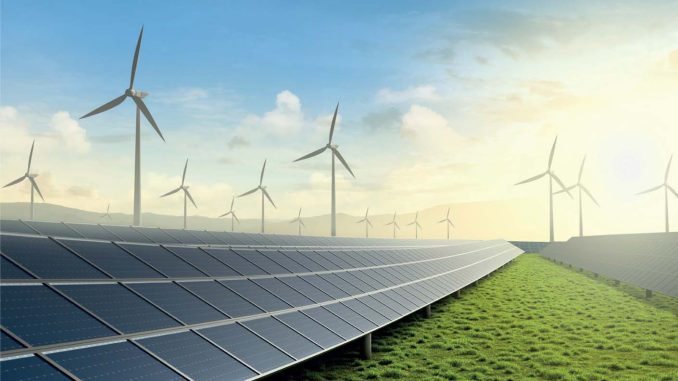
Rajasthan, India’s largest state by area, holds the highest renewable energy potential in the country, with 284 GW of wind energy potential and 142 GW of solar energy potential. In December 2024, the total installed electricity generation capacity in Rajasthan stood at approximately 43.5 GW, of which renewables constituted 70 per cent (contributing around 30.5 GW). The state also houses one of the largest solar parks in the world at Bhadla.
It is no surprise then that Rajasthan is seen as a key player in achieving India’s target of installing 500 GW of clean energy by 2030, contributing significantly to the nation’s clean energy transition. In fact, of the 212 GW of renewable energy capacity planned across the country under the inter-state transmission system (ISTS) network, approximately 91 GW has been planned in Rajasthan alone, which is about 20 per cent of the national renewable energy target.
Clean energy uptake through state policies
While the state is endowed with natural resources such as land, high solar irradiance and consistent wind currents, it has made efforts to bring in policies to promote investments in renewable energy, making Rajasthan a prime location for such projects.
Rajasthan’s Renewable Energy Policy 2023 indicated the state’s intent to develop “stakeholder-driven” policies in the area of renewables. Accordingly, it constituted a state-level steering committee to facilitate land acquisition for renewable energy developers, offering a 100 per cent exemption on land tax for such projects for the first seven years.
Building on this, Rajasthan’s latest policy, the Integrated Clean Energy Policy 2024, aims to “establish a green energy ecosystem and catalyse a systemic response to the opportunities and challenges of this sunrise sector”. The state has set an ambitious target of installing 125 GW of renewable energy capacity by financial year (FY) 2029-30 under this policy.
Further, the Rajasthan Investment Promotion Scheme (RIPS), also announced in 2024, offers several incentives for clean energy promotion. Under the scheme, the mega and ultra-mega renewable energy plants can benefit from a flexible land payment model requiring just 25 per cent of the land cost payment upfront. The remaining 75 per cent can be paid over 10 years, which makes land acquisition more accessible for large-scale projects. Also, captive renewable energy projects are granted a 100 per cent exemption from banking, wheeling and transmission charges.
Transmission network planning for large-scale renewable energy adoption
The transmission network plays a pivotal role in integrating and evacuating power from the generation sites to the load centres. Hence, for the success of its clean energy policy initiatives, Rajasthan needs to simultaneously work on strengthening its transmission network so that it can support the state in large-scale renewable energy deployment. This is even more important, given that transmission network planning has to be done well in advance, as the gestation period of a transmission network is significantly longer than that of solar and wind plants.
The transmission network in Rajasthan operates at four voltage levels: 132 kV, 220 kV, 400 kV and 765 kV. As of November 2024, the state’s transmission infrastructure included 650 substations, 44,506 circuit kilometres (ckt. km) of transmission lines, and a transformation capacity of 98,646 mega volt amperes (MVA).
Rajasthan Rajya Vidyut Prasaran Nigam Limited (RRVPN), in collaboration with renewable energy developers and discoms, is developing an action plan to facilitate the power evacuation system through the state’s transmission and distribution network for connecting the upcoming renewable energy plants. The applicable grid connectivity standards and guidelines (as per the Grid Code) will be updated periodically to ensure grid availability and stability while integrating higher levels of renewables in the state.
While such initiatives will bolster the transmission network, the state might need to do more to adequately equip the network for accommodating the upcoming green energy projects.
A recent study by the Center for Study of Science, Technology and Policy (CSTEP) found that an investment of around Rs 2,118 crore would be required to upgrade Rajasthan’s transmission infrastructure for integrating the proposed 119 GW of solar and wind projects (at a voltage level of 220 kV and above) in the state by FY 2029-30. This is in addition to the investment needed for implementing the transmission network proposals by state and central authorities.
Thus, the requirements related to the upgradation and expansion of Rajasthan’s transmission network are substantial for transitioning to a high renewable energy scenario. Additionally, the transmission network has to deal with the issue of meeting night-time load — a major challenge that comes along with integrating more renewable sources into the grid. For instance, for the agriculture sector, conventionally, electricity is supplied on a rotational basis (daytime and night-time), considering the number of hours of power supply allocated by the state policies for the sector. A good strategy for resolving the issue of night-time load management in this case would be to shift the night-time load to daytime, as part of demand-side management (DSM), and utilise the solar power supply during the day. However, given the limitations of the transmission infrastructure in supplying the entire connected load at a time, transmission network strengthening becomes a vital prerequisite for this strategy to work. This, in turn, calls for undertaking comprehensive transmission planning studies to assess the capability of the existing infrastructure, identify network constraints, and determine network strengthening measures for effectively utilising solar power during the day, when most of the night-time load is shifted to daytime.
The author is a research scientist and leads the transmission and grid planning group at the Center for Study of Science, Technology and Policy (CSTEP), a research-based think tank.