

Energy costs account for a significant portion to the commercial and industrial (C&I) operational costs. Managing these energy costs involves strategies to optimise energy consumption and reduce expenses. This includes monitoring energy use, identifying areas for improvement, implementing energy-saving measures and verifying results. Effective energy cost management can lower energy bills, enhance operational efficiency and contribute to sustainability goals.
As per the International Energy Agency (IEA), in industrial operations, energy typically accounts for 1-10 per cent of total production costs. In less energy-intensive sectors, such as computers and pharmaceuticals, energy costs may be as low as 1-3 per cent. However, in the manufacturing sector, this share is 1-10 per cent, while in highly energy-intensive sectors such as paper, clay building materials, iron and steel, and cement, energy costs often exceed 10 per cent. In some non-manufacturing sectors, such as land/air transport and mining of metal ores, energy costs are comparable to or even higher than in energy-intensive manufacturing sectors.
As per India’s National Statistics Office, Ministry of Statistics and Programme Implementation, the annual publication “Energy Statistics India 2025”, released in March 2025, highlights that the industrial sector witnessed the highest growth in energy consumption among all major end-use sectors in 2023-24. Energy consumption in this sector increased from 242,418 kilotonnes of oil equivalent (ktoe) during 2014-15 to 311,822 ktoe during 2023-24. The industrial sector is the largest consumer of electricity, accounting for 42 per cent of the total consumption, followed by the domestic (24 per cent), agricultural (17 per cent) and commercial (8 per cent) sectors.
Energy management, therefore, is critical for all major energy consumers. This is not just about reducing energy bills or ensuring regulatory compliance – it involves embedding energy efficiency into the core of industrial operations. Energy efficiency in C&I facilities is a strategic approach that yields significant business benefits, in terms of both sustainability and cost savings.
Important steps
The main steps involved in achieving these objectives include:
Energy audits: This is a critical first step required to provide a detailed overview of how energy is consumed within a facility. It involves highlighting inefficiencies and identifying opportunities for energy saving for businesses, thereby managing energy costs. The audit also involves identifying energy consumption sources, such as heating, ventilation and air conditioning (HVAC), lighting, machinery and compressed air systems, as well as common areas of energy wastage or leaks. The data is used to set an energy consumption baseline, which serves as a reference point for measuring the impact of future energy-saving measures and tracking progress.
Optimising HVAC and compressed air systems: Optimising HVAC systems is essential for industrial facilities, as these systems often represent a major portion of a facility’s energy costs. This involves scheduling routine inspections and maintenance to ensure the systems operate at peak efficiency; investing in the latest HVAC technology with high energy efficiency ratings, such as those equipped with variable speed drives (VSDs) and energy recovery ventilators; installing thermostats to enable automatic temperature adjustments based on occupancy and time of day, thus minimising energy use during off-hours; and improving building insulation and sealing leaks around windows, doors and HVAC ductwork to maintain desired temperatures with less energy by minimising heat loss and gain. Implementing automatic shut-off devices such as timers and motion sensors further prevents unnecessary energy consumption.
Compressed air systems are commonly used in industrial processes and are known for their high energy consumption. Even small leaks in a compressed air system can result in substantial energy losses. Implementing a routine leak detection programme using ultrasonic leak detectors helps identify and repair leaks promptly to ensure peak efficiency. Reviewing and optimising system design and layout is also crucial. This includes minimising the length of air distribution lines and reducing the use of fittings to avoid pressure drops and excess energy consumption. A loop system design can ensure consistent pressure and flow throughout the facility. Modern, energy-efficient air compressors, particularly those with VSDs, can significantly reduce energy consumption compared to older models. They adjust the motor speed to match air demand, minimising unnecessary energy use.
In the cement industry, waste heat recovery systems are an essential solution to save energy and costs. Other C&I facilities are adopting trigeneration systems, which simultaneously address electricity, heating and cooling needs.
Superior lighting: Wherever possible, industries should use natural lighting (skylights) or natural cooling techniques such as reflective glass surfaces. Strengthening the lighting system by transitioning to LED technology is a key step towards improving energy efficiency. LEDs consume up to 75 per cent less electricity compared to incandescent and fluorescent lights, resulting in significantly lower utility bills. This makes them a cost-effective investment for the long term, especially since they have a remarkably long service life – typically lasting 25 times longer than incandescent bulbs. This extended lifespan minimises the need for frequent replacements and lowers the operations and maintenance costs associated with lighting systems. In addition, unlike traditional lighting solutions, LEDs emit very little heat, thereby reducing the burden on HVAC systems to maintain optimal temperatures within facilities. This ancillary benefit further contributes to energy and cost savings associated with cooling.
Energy-efficient equipment: Transitioning to energy-efficient equipment can lead to significant cost and energy savings. This includes selecting equipment and machinery that have Energy Star ratings or other reputable energy efficiency certifications. These labels are awarded to products that meet strict energy performance standards set by various environmental agencies.
When evaluating new equipment, the total life cycle cost should be factored in and not just the initial purchase price. While energy-efficient manufacturing models may require a higher upfront investment, they typically offer lower operating costs due to reduced energy consumption, and can offset the initial investment, making these options more cost-effective.
For industrial operations, there is a need to invest in modern machinery, which incorporates the latest energy-saving technologies, such as advanced motors, precision controls and smarter operation modes that minimise energy waste during downtime or low-demand periods. For instance, in 2023, Dalmia Bharat Sugar and Industries Limited installed variable frequency drives (VFDs) at its Kolhapur unit to regulate the speed of the boiler feed pump. By implementing step control logic, a programming method used in programmable logic controllers to manage the sequence of events or actions, the company achieved an estimated energy saving of 2,000 kWh per pump per day for a 120 tonne per hour operation.
Monitoring energy use: Integrating advanced energy management systems into the operational framework of manufacturing plants can help achieve greater energy efficiency through detailed analysis and proactive management. These systems utilise energy management software and adopt smart meters to track energy usage in real time, and identify areas for optimisation to save costs. In addition, they enable the quick detection of unusual patterns or spikes in energy consumption, which may indicate inefficiencies or faults in the system. This allows for prompt actions, such as adjusting settings or scheduling repairs, to avoid unnecessary energy wastage. In addition, advanced analytics offered by energy management systems can analyse energy usage data to highlight trends, inefficiencies and opportunities for savings.
Peak load reduction: Reducing peak load can help manufacturing facilities lower their energy costs and contribute to grid stability. This involves adjusting energy consumption patterns to avoid high usage during peak demand periods. Many utility companies offer demand response programmes that incentivise businesses in the form of financial compensation to reduce their energy use during peak times.
This involves identifying non-critical operations that can be shifted to off-peak hours without disrupting production schedules. These include equipment charging, heavy machinery operations and preheating processes. By moving these energy-intensive activities to times when demand and rates are lower, facilities can significantly reduce their peak load charges. In addition, they can invest in energy storage solutions, such as battery storage systems, to store energy during low-demand periods and use it during peak demand. This reduces peak load and energy costs.
Capacity building: Employees play a key role in managing energy costs. From the time they are hired, they should be trained in energy conservation and cost management. This includes simple habits such as turning off lights and equipment when not in use, as well as training on the use of energy management systems, smart meters and other technologies that help monitor and control energy use and costs. Such training empowers employees to contribute actively to energy efficiency goals. In addition, offering incentives to teams to “compete” with each other, or rewarding ideas or recommendations to save energy costs, can motivate employees to participate in cost-saving initiatives.
Renewable energy investment: There is a need to invest in renewable energy sources to reduce the reliance on fossil fuels and stabilise energy costs. Before investing, a comprehensive assessment should be performed to determine the most suitable renewable energy options for the facility’s location, available space, local climate, and energy needs. For example, solar panels can be installed on rooftops, unused land, or parking structures. They provide a clean, low-maintenance source of electricity that can significantly reduce a facility’s electricity bills. Modern solar installations can be grid-tied, allowing excess energy to be sold back to the grid.
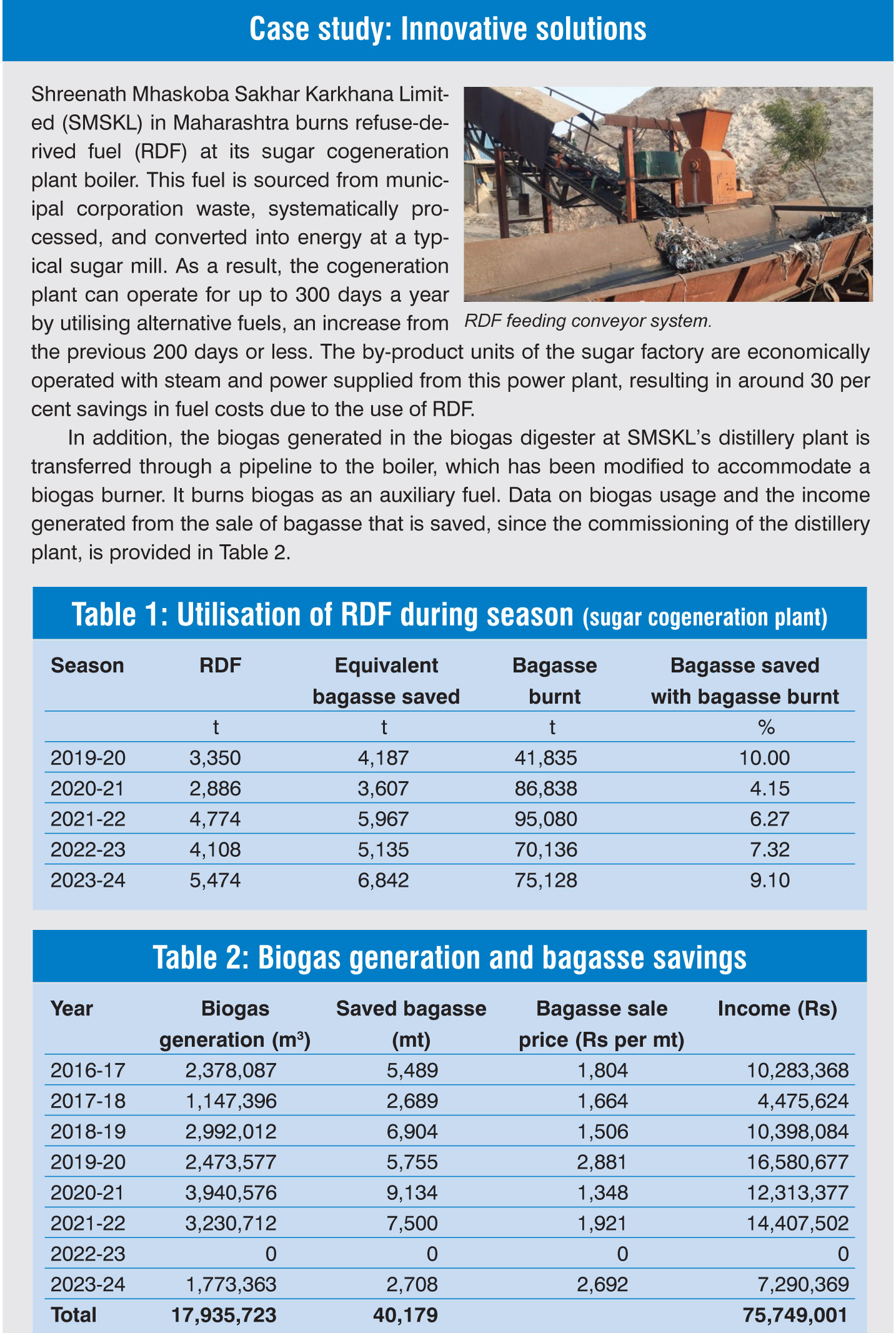
The study should also evaluate the potential return on investment and savings over time. Many regions offer incentives, grants, or tax credits for renewable energy investments. Sugar cogeneration plants, for example, have earned significant revenue from renewable energy certificate trading and clean development mechanism incentives in India, and from using agricultural or municipal waste as fuel. These economic incentives can help balance the upfront expenses of renewable energy installations, making them more economically feasible.
To maximise the benefits of these investments, energy storage systems can be deployed to store surplus energy generated during peak production periods for use during periods of higher demand, ensuring reliable energy supply.
As per a press release in January 2025, the Electricity Rules, 2005 were amended in 2024 to rationalise open access charges. New rules now allow large consumers (open access consumers) to buy electricity from the cheapest sources across India, not just from their local distribution licensee. Some state regulators charge large consumers heavily for buying electricity from other sources. In an effort to reduce these charges, the additional surcharge levied is now being gradually reduced and will be completely removed within four years. Importantly, large consumers who have never bought electricity from their distribution licensee are not required to pay this additional surcharge.
 The way ahead
Adopting these initiatives can significantly promote energy conservation in C&I facilities while managing costs, creating win-win outcomes for both the environment and the bottom line. The benefits of effective energy cost management are manifold – reduced energy expenses, improved operational efficiency, enhanced sustainability, a smaller carbon footprint and increased profitability, while ensuring regulatory compliance.
The key is to develop a structured plan with short-term SMART (specific, measurable, achievable, relevant, and time-bound) goals for energy reduction, and regularly communicate with stakeholders on the progress made. Continuous review of energy management strategies is essential to ensure their effectiveness and alignment with changing energy markets. These initiatives will also help the organisation follow the recent environmental, social and governance regulations.
As per the IEA Electricity 2024 report, India’s electricity demand rose by 7 per cent in 2023, and is projected to grow at an average annual rate of over 6 per cent until 2026, supported by strong economic activity and increased ownership of air conditioners. While renewables are expected to meet nearly half of this demand growth, unfortunately, about one-third is likely to be met through increased coal-fired generation.
Anita Khuller