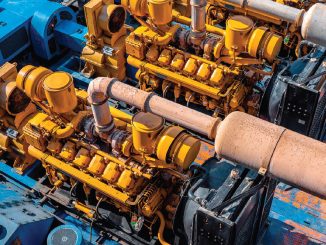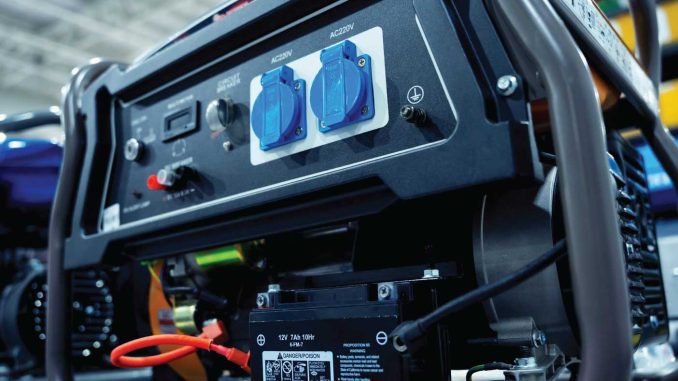
Rental power has emerged as a practical and feasible solution for power supply on a temporary, immediate, or short-term basis, without the need for long-term investment. Diesel generators are the most rented power equipment. These range from small standalone units to large multi‑megawatt systems. They are scalable, portable and deliver reliable, continuous power. Rental power solutions are particularly relevant for three key use cases: as a backup during grid outages or planned maintenance; as a supplementary source during peak load periods; and as a primary power supply in remote or off-grid areas where transmission access is limited or unreliable. These solutions find widespread use across sectors such as mining, events, IT and data centres. Furthermore, rising investments in oil and gas, telecom and infrastructure-driven segments such as construction are contributing to an uptick in the adoption of rental power solutions.
Rental solutions offer operational flexibility for industries managing variable loads or seasonal demand fluctuations, ensuring business continuity and energy reliability without long-term commitments. Such flexibility is especially beneficial for sectors such as manufacturing, agriculture, tourism and real estate, which face cyclical or project-based power requirements.
Market trends
The rental power market can also be segmented by power rating into four categories: below 75 kVA, 75-375 kVA, 375-750 kVA and above 750 kVA. Currently, the above 750 kVA segment dominates the market with applications across industrial and commercial sectors, data centres, healthcare facilities, construction sites and mining sites, among others. However, in the coming years, the below 75 kVA segment is expected to witness the fastest growth, driven by rising demand from small-scale industrial and commercial settings such as offices and shops.
The rental market is segmented by application into three categories: continuous load, peak load and standby load. The continuous load segment currently leads the market, primarily due to increasing development activities in regions that lack access to the central grid and require constant, uninterrupted power supply. These generators serve as primary power sources, rather than just backup solutions, and are capable of running continuously for extended durations. Meanwhile, the peak load segment is gaining traction with rising demand for systems that can manage sudden spikes in electricity usage. The standby load segment is also projected to witness rapid growth, driven by infrastructure expansion in commercial and industrial sectors.
Rental power solutions range from compact, standalone units to large multi-megawatt systems capable of running on fuels such as diesel and natural gas. Among these, diesel gensets dominate the power rental market owing to their scalability, portability and ability to deliver uninterrupted power. Their high-power density and fuel efficiency make them particularly suitable for variable loads, particularly in construction, mining and industrial operations. They are also widely deployed during planned outages, emergencies and in regions lacking grid access, thereby serving both short-term and long-term needs.
In recent years, however, natural gas generators have gained ground as a cleaner alternative to traditional diesel gensets, and are expected to report the fastest CAGR. With lower emissions and a cost-effective fuel profile, natural gas generators are ideal for organisations focused on reducing their environmental impact. As environmental regulations tighten and diesel prices rise, the rental market is also gradually exploring hybrid and renewable-based rental solutions, though liquid fuel-based systems remain the backbone of industrial backup power.
Key end-use segments
Amid rising energy demands and advancements in the manufacturing industry, the power rental market is poised for significant growth in the coming years. In India, the growth of this segment is driven by several factors, including rising demand for electricity in both urban and rural areas, and the need for supplementary power across the expanding industrial and commercial sectors. Among end-users, the metal and mining and construction sectors are the largest consumers of rental power. Since mining and construction sites are often located in remote areas lacking proper grid infrastructure, these industries often rely on off-grid and rental power for operations. Moreover, due to the temporary and cyclic nature of such operations, rental power is often more cost-effective than permanent infrastructure. Additionally, these projects frequently span multiple sites, and rental power helps reduce costs associated with the transportation and installation of gensets.
The oil and gas industry also prefers rental power as oil extraction activities often shift with market-driven fluctuations in crude oil prices, making temporary power a more flexible option. Meanwhile, manufacturing industries opt for rental power when the existing power supply system is under maintenance, or when additional power is required due to high loads or power outages. The growing demand for office spaces and commercial establishments is expected to further drive rental power usage in the commercial real estate sector.
With increasing industrialisation, digitalisation, cloud computing and the rapid roll-out of 5G networks, the demand for communication services and data has surged. This has positioned telecom as one of the most critical infrastructure sectors, where uninterrupted power supply is essential to maintaining operations. Key facilities such as IT hubs, base stations and data centres, which run high-load servers and network systems, have seen a rise in demand for uptime. Even brief power disruptions or outages can result in significant losses in data, productivity and revenue, along with customer dissatisfaction.
To address these challenges, the industry is increasingly adopting rental and hybrid power solutions to ensure uninterrupted operations. As the sector adapts to evolving demands, from research and development facilities to tower installations in remote areas, it can benefit from the scalability and flexibility of rental power solutions. These solutions can be tailored for varied use cases, including temporary network expansion, deployment of new technologies, risk mitigation during natural disasters and infrastructure upgrades. Additionally, the advantages that rental power solutions provide in terms of reduced maintenance, flexibility and operational reliability make them particularly well suited for the telecom sector, which relies on continuous network connectivity.
Cost economics
These solutions offer several advantages over outright purchase of power equipment, making them an attractive option for consumers. Renting is significantly more economical as it eliminates the need for large upfront investments, down payments or interest-bearing loans. Moreover, the absence of long-term maintenance costs further frees up capital. Consumers also value the flexibility provided in terms of trial runs and generator tests before making any buying decisions. Installation is typically hassle-free, with rental companies handling set-up on a short notice. Rental terms can be easily adjusted in terms of duration, power capacity and equipment size, allowing for tailored solutions that meet specific needs. These solutions allow businesses to focus on their core operations without having to spend time in setting up transmission or distribution networks on-site.
Challenges and the way forward
Despite steady growth, the rental power market is navigating a complex landscape shaped by stricter environmental regulations and changing energy preferences. The sector’s dependence on imported fuels such as diesel and natural gas poses a significant challenge. Growing concerns over noise and air pollution have led to increasing restrictions on diesel genset usage, particularly in urban and industrial zones. In response to tightening of emission norms for fossil-fuel-based equipment, particularly diesel gensets, service providers are upgrading their fleets and exploring cleaner alternatives. While renewable energy sources such as solar and wind offer environmental and long-term cost benefits, their intermittent nature limits their reliability for critical applications.
Looking ahead, the future of rental power lies in adopting cleaner, smarter and more integrated technologies. Hybrid systems, which combine diesel or gas gensets with renewable sources and battery storage systems, show strong potential. They can offer improved efficiency, reduced emissions and greater flexibility across applications. Additionally, the adoption of digital tools such as internet of things-based monitoring and predictive maintenance can enhance operational efficiency and reduce downtime. With increasing capital expenditure on the development of infrastructure projects across the country, the future of the power rental market looks promising. However, to remain relevant, companies must invest in hybrid technologies and cleaner fuel alternatives such as piped natural gas, aligning with the global shift toward sustainability.