
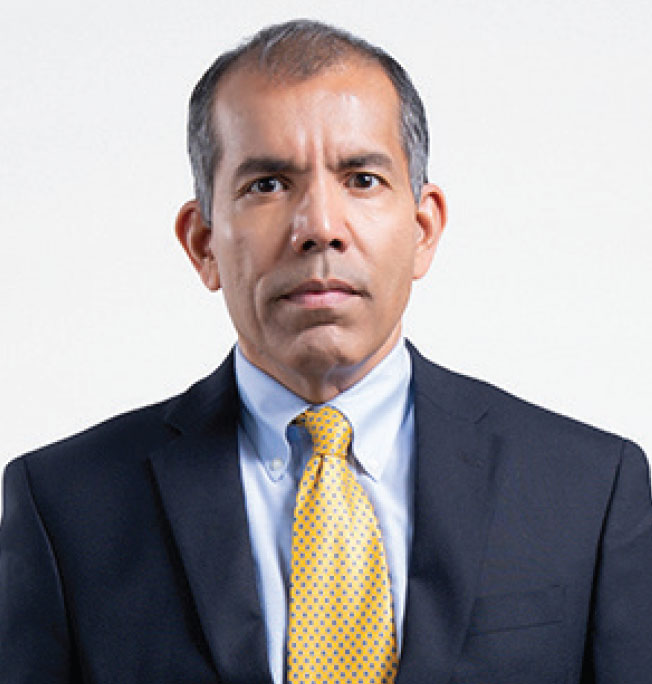
 The power sector is witnessing a shift from capacity addition to delivering firm, despatchable and integrated power solutions. Hybridisation, battery energy storage and policy measures such as the recent reduction in goods and services tax (GST) on renewable energy equipment are some of the key emerging trends. Tariff stabilisation in round-the-clock (RTC) and firm and despatchable renewable energy (FDRE) bids, growing corporate demand and new business models are also shaping project strategies. In this context, Srivatsan Iyer, Global Chief Executive Officer, Hero Future Energies (HFE), shared his views on the recent trends, execution priorities and emerging opportunities in India’s energy transition. Excerpts…
What will be the impact of the recent GST reforms on the renewable energy sector?
The reduction in GST on renewable energy equipment from 12 per cent to 5 per cent is a welcome step. A simpler and lower tax structure will make renewable energy more affordable for the end consumer while also encouraging domestic manufacturing. This reform will enhance the sector’s competitiveness and further reinforce India’s commitment to its 2030 renewable energy targets and 2070 net zero vision. By making clean technologies more affordable, it will accelerate adoption of renewables, generate green jobs and support energy independence – bringing us closer to a sustainable future.
What has been your experience with RTC projects in India? What is your take on the recent tariff trends in the RTC and FDRE segments?
The future of renewable energy in India lies in hybridisation-combining solar, wind and storage – enabled by advanced systems such as smart monitoring and predictive maintenance. Optimal capacity utilisation factors remain critical in this journey.
Such projects address the key requirement of new power generation capacity, reliability and despatchability. Our strategy is aligned to this requirement – delivering energy through customised hybrid and storage solutions. Today, hybrids plus battery energy storage systems (BESSs) constitute nearly two-thirds of our pipeline, and we continue to evaluate opportunities that align with this approach.
On tariff trends, we are observing a phase of stabilisation following the earlier volatility, which reflects the growing maturity and resilience of the Indian renewable energy market.
What are the key business highlights of the past year?
Over the past year, we have focused on addressing intermittency challenges and ensuring reliable supply of clean energy. We have secured projects across the peak power, RTC, wind-solar hybrids and solar + storage (ESS) segments.
In addition, we entered the green hydrogen space by commissioning a project in Andhra Pradesh – underscoring our commitment to pioneering new technologies. Strategic partnerships and innovative financial instruments have further strengthened our ability to deliver these initiatives at scale.
What are the top priorities and key focus areas for HFE?
The energy landscape is evolving rapidly. On the one hand, utility tenders are increasingly demanding 24-hour firm power. On the other, corporate buyers are seeking RTC clean energy. HFE is well positioned to serve this dual demand.
Our top priority is to continue evolving as a solutions partner to offer “energy-as-a-service” through bespoke hybrid and storage solutions. With hybrids and BESS projects already forming about two-thirds of our pipeline, we remain focused on selectively pursuing opportunities that enhance reliability, flexibility and sustainability in India’s energy transition.
What were the key hits and misses in the renewables sector over the past year?
The past year has been a watershed year for India’s renewable energy sector – one where intent translated into real momentum. India crossed the 200 GW mark in installed capacity, saw a significant uptick in utility-scale and commercial and industrial (C&I) projects, and witnessed improving tariff dynamics. But more importantly, the narrative itself evolved – renewables are no longer viewed in isolation. Through storage, hybrids and RTC supply models, renewables are considered a key contributor to an integrated energy ecosystem. This is a big shift.
Now that we have moved past the question of whether we can scale renewables, the next phase is to accelerate, optimise, integrate, innovate and future-proof not just the electrical energy network but also the entire energy value chain. And that is exactly the kind of problem we should be solving at this stage.
The next frontier for us lies in strengthening execution. As the sector scales rapidly, there is a real opportunity to streamline processes – from faster PPA closures to proactive grid planning and accelerated storage deployment. Transmission, in particular, is emerging as a strategic enabler, and addressing the issue of inadequate transmission capacity through long-term, systemic solutions will unlock the full potential of the country’s renewable ambitions.
How do you rate India’s energy transition so far? What are the key bottlenecks and the likely solutions?
India’s energy transition has been an impressive journey that began in earnest around two decades ago, when we first started approaching renewables as more than just a marginal energy source. Since then, we have seen one of the most remarkable energy stories anywhere in the world, in terms of both scale-up and favourable economics.
Early efforts such as the National Solar Mission laid the foundation, and the transition has matured significantly over the past five years.
India’s energy transition is no longer just a climate story; it is about building a modern energy economy that is clean, resilient and globally competitive. Today, we are not just adding capacity; we are building an energy ecosystem that is cleaner, smarter and more integrated.
Policies such as the National Green Hydrogen Mission are expanding the scope of decarbonisation beyond power into hard-to-abate sectors such as steel, ammonia and transport; the Pradhan Mantri Kisan Urja Suraksha evam Utthan Mahabhiyan is enabling rural solarisation at scale and linking clean energy with agricultural reform – a powerful, inclusive model; and the PM Surya Ghar: Muft Bijli Yojana is catalysing residential rooftop installations. At the large-scale utility level, storage-linked, FDRE and RTC tenders are shifting the market towards 24×7 reliability, which is critical as renewables scale up to meet demand growth.
What we need now is sharper execution and better coordination across central and state agencies – particularly on transmission planning and build-out, storage incentives and contract enforcement.
In your view, what are the major emerging opportunities in this space?
India’s energy sector is entering a high-growth phase, and the time is now to deepen its impact-turning the gains already made in renewable capacity into long-term system resilience. The key drivers for this include:
- Grid modernisation is crucial as variable power meets rising demand. We are beginning to see smarter load management, artificial intelligence-enabled forecasting and digital grid capabilities emerge as serious enablers.
- Storage will be critical as we move towards converting variable renewable energy into firm, despatchable and RTC power supply.
- Industrial demand is driving growth in C&I solutions such as virtual PPAs and decentralised energy generation. The focus is shifting from simply generating power to delivering integrated, innovative energy solutions that will define the future.
- Distributed, decentralised generation and microgrids are key to serving local demand centres such as villages, industrial clusters and residential neighbourhoods.
- Green hydrogen and its derivatives are opening up significant industrial decarbonisation potential.
- The electrification of mobility and industrial energy requirements will lead to the replacement of conventional fossil fuels.