
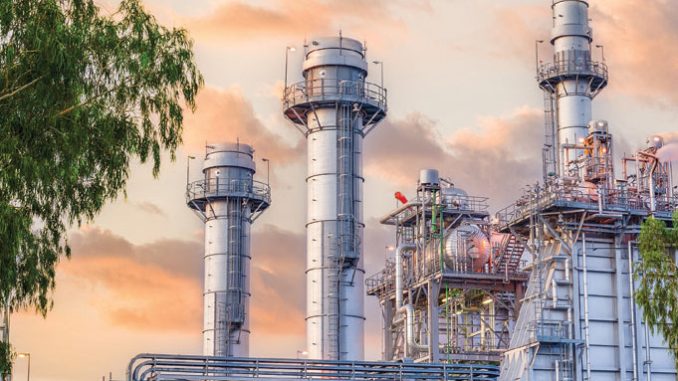
Thermal power plants (TPPs) are undergoing a major transformation as the sector adapts to the twin pressures of decarbonisation and renewable energy integration. While these plants continue to form the backbone of grid reliability, their operating landscape is changing rapidly with fluctuating demand, frequent ramping and stronger environmental regulations. Over 50 per cent of India’s electricity generation capacity comes from TPPs, and most of the country’s thermal power generation is coal-based, which is driving the demand for boiler, turbine and generator (BTG) manufacturing.
As a result, the BTG systems at the core of these facilities are being upgraded with next-generation technologies that enhance efficiency, flexibility and sustainability. From advanced materials to digital intelligence, BTG systems are now evolving to help existing and new thermal stations operate cleaner, smarter and more responsively.
Advancements in BTG technologies
Boilers comprise around 45 per cent of the BTG manufacturing cost. As the boiler is the main part of the thermal cycle, recent innovations are reshaping both performance and emissions. The adoption of supercritical and ultra-supercritical technologies has gained significant momentum in the Indian market due to their ability to significantly enhance the overall operational efficiency of power plants and contribute to emissions reduction. These advanced technologies, compared to conventional subcritical units, exhibit higher effectiveness, lower coal consumption, quicker start-up times, increased operational flexibility and reduced CO2 emissions. By operating at higher temperatures and pressures, these systems offer net efficiencies, reducing fuel consumption and carbon emissions considerably.
Bharat Heavy Electricals Limited (BHEL) is the largest manufacturer of boilers in the country. It has the capacity to manufacture steam generators ranging from 30-800 MW, using coal, lignite, oil, natural gas or a combination of these fuels. It also has circulating fluidised bed combustion steam generators, with subcritical parameters up to 350 MW and supercritical parameters from 151-660 MW for utilities. BHEL has secured contracts for 90 supercritical steam generators and 83 supercritical turbine generators in the country as of March 2025, of which 37 steam generators and 29 turbine generators have been commissioned as of FY 2024-25.
Steam turbine technology is advancing substantially, driven by the dual imperatives of higher efficiency and operational flexibility. Modern turbines use aerodynamically optimised blades, often enabled by additive manufacturing. These allow for intricate cooling passages and improved steam path performance, translating into better efficiency across varying load ranges. Emerging turbine designs focus heavily on flexible operation – an essential capability as coal plants increasingly shift to cycling modes to accommodate renewable energy. Features such as fast start-up capability, improved thermal stress management and enhanced part-load performance allow turbines to respond quickly to fluctuating grid conditions.
BHEL has received the first-ever order to demonstrate methanol firing in a gas turbine at the 350 MW NTPC Kayamkulam combined cycle power plant at Alappuzha district in Kerala. This will be the first such demonstration project of its kind in India.
Another key ongoing initiative is to integrate coal-to-chemicals. BharatCoal Gasification and Chemicals Limited, a joint venture between BHEL and Coal India Limited (CIL), plans to establish India’s first commercial-scale coal-to-2,000 tonnes per day (tpd) ammonium nitrate plant using BHEL’s indigenously developed technology. The plant will convert high-ash coal to produce technical-grade ammonium nitrate. The project not only enhances domestic value addition to coal resources but also reduces dependency on imports, reinforcing India’s commitment to technological innovation and self-sufficiency. In areas of advanced ultra-supercritical (AUSC) coal-based power plants, BHEL is well-positioned with its indigenous technologies. Efforts to establish the world’s first 800 MW technology demonstration plant based on AUSC technology are under way after the Union Budget 2025-26 announcement on the AUSC programme.
Generators, too, are becoming more efficient and intelligent. High-efficiency generators now employ advanced insulation materials, high-grade laminations and optimised cooling systems that combine hydrogen and water cooling. These innovations reduce losses and improve reliability, especially under high-load or cycling operations. Digital excitation systems provide more precise voltage control and enhance the generator’s ability to remain stable during grid disturbances. Brushless excitation systems further reduce maintenance requirements.
Digitalisation
Digitalisation is one of the most transformative forces shaping BTG systems. Artificial intelligence (AI) and advanced digital technologies are transforming the reliability and efficiency of TPPs by enabling a shift from reactive to predictive and optimised operations. Leveraging large volumes of data from sensors, control systems and maintenance records, AI supports early fault detection, predictive maintenance and adaptive protection, significantly reducing unplanned outages and extending equipment life. Digitalisation is emerging as a major force shaping BTG systems, with digital twins allowing operators to simulate system behaviour, identify stress points and test operating strategies without disrupting plant output. In parallel, AI-driven combustion optimisation tools analyse data from burners, airflows and flue gas composition to dynamically fine-tune operating parameters, resulting in better fuel utilisation, lower emissions and improved flame stability. Supported by internet of things-enabled sensors providing real-time, granular insights across plant equipment, these technologies collectively enhance plant availability, operational efficiency and sustainability in an increasingly demanding power sector.
Flexibilisation requirements
Boilers face some of the most severe challenges under flexible operations. Fast ramping and frequent load variations cause temperature fluctuations, thermal stress, creep and fatigue, leading to irreversible material deterioration. Low-load operation poses risks such as poor combustion, unstable flame, coal pipe choking and high furnace exit gas temperatures.
Turbines are equally vulnerable during frequent load changes. Issues include high vibration of rotor trains, increased casing ovality, potential low-pressure blade failure, steam valve damage and excessive deposition on turbine blades. High metal temperatures in turbine structures can lead to distortion and creep damage. Mitigation measures include frequent inspections, advanced monitoring systems like blade vibration monitoring systems, remaining life assessment of components, and periodic replacement of casings and rotors.
Operational challenges include high ash deposition, difficulty in soot blowing (which requires sustained high load), flame instability due to variable coal quality and higher chances of outages from auxiliary equipment failures. To address these, operators must adopt new operational practices, relying on training, simulations and knowledge-sharing. Control systems face challenges in handling load ramps, automatic generation control and frequency response.
Supercritical and ultra-supercritical plants face additional challenges due to higher operating pressures and temperatures. These units are more prone to thermal fatigue and creep damage during frequent cycling. Once-through boilers are sensitive to rapid load changes, demanding precise control to avoid overheating and tube failures. Longer startup and shutdown times, complex water-steam flow management and high startup energy requirements further complicate flexibilisation. Advanced alloys, improved designs and sophisticated control systems are required, though these increase costs.
The way forward
As countries pursue net-zero goals, TPPs are being adapted to operate with lower carbon intensity. Co-firing hydrogen or ammonia in TPPs is emerging as a promising pathway. Integrating hydrogen into existing TPPs presents an opportunity to reduce carbon emissions while leveraging established infrastructure. Retrofitting gas turbines to burn hydrogen requires modifications to the fuel delivery systems, combustion chambers and control mechanisms. This approach minimises capex and facilitates the transition to a hydrogen-based energy system by utilising the existing assets. Pilot projects across Europe, North America and Asia have successfully demonstrated the feasibility of using hydrogen blends in gas turbines.
Biomass co-firing is another practical decarbonisation measure adopted by many plants. Torrefied biomass, in particular, enhances combustion stability and reduces modifications needed in the existing boiler system. In November 2025, the Ministry of Power notified a comprehensive policy mandating biomass co-firing in coal-based TPPs from 2025-26, replacing earlier guidelines. The policy expands co-firing to include torrefied municipal solid waste (MSW) charcoal and requires all TPPs to use 5 per cent biomass, with National Capital Region plants co-firing an additional 2 per cent MSW charcoal. NTPC Limited has led implementation, commercialising biomass co-firing up to 10 per cent and awarding 7.48 million metric tonnes of pellet contracts across its 22 stations and one joint venture station (APCPL-Jhajjar). Carbon capture readiness is also being incorporated in new boiler designs, where flue gas configurations and heat integration are optimised for future deployment of CO2 capture units.
Improving heat rate remains a key priority for utilities due to its direct impact on fuel costs and emissions. Measures such as regenerative cycle optimisation, low-temperature economisers and waste heat recovery enhance efficiency, while reductions in auxiliary power consumption through variable frequency drives, efficient cooling systems and upgraded pumps lower overall plant losses.
With the rapid growth of solar and wind energy, TPPs must operate with far greater flexibility. Advanced BTG technologies enable this shift by reducing the impact of frequent cycling on equipment life, allowing plants to operate cleaner, more efficiently and with enhanced flexibility.