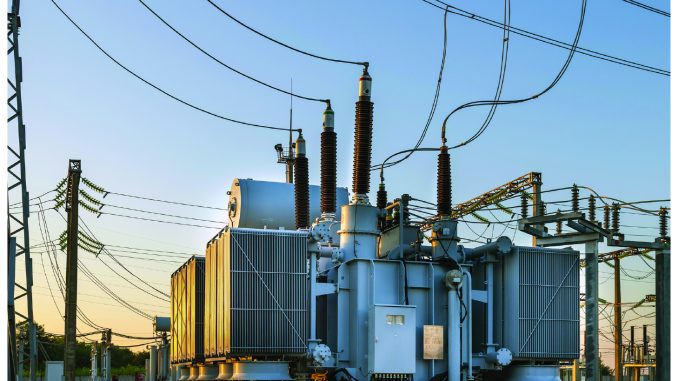
Transformers have always been central to reliable electricity delivery. With India’s power system now being reshaped by rising demand and intermittent renewable energy, its operations and maintenance (O&M) role has become more strategic than ever before. The country has continued to push network expansion in line with the National Electricity Plan’s projected addition of about 1,91,474 ckt km of transmission lines and 1,274 GVA of transformation capacity during 2022-23 to 2031-32.
A larger transformer fleet means a larger installed base to monitor, service, refurbish and protect from failure. It also means that outages have wider consequences because they now affect denser transmission corridors and more dynamic load patterns. With higher renewable energy penetration, power flows are becoming more variable, substation loading patterns are changing, and transformation assets are being pushed into more demanding service environments.
There is also a growing focus on standardisation, testing and quality assurance of transformers. In recent years, the Central Electricity Authority (CEA) has pushed standard specifications and standard ratings for transformers and reactors. For instance, in January 2026, the CEA issued updated guidelines for type tests for major equipment. This is an important development because transformer performance is shaped not only by field maintenance but also by how equipment is specified, tested and procured. Non-standard specifications complicate manufacturing, slow procurement, create spare management challenges and reduce comparability across fleets. The stronger emphasis on testing and failure analysis is also being driven by real reliability concerns. For instance, during investigation of transformers and reactors 220 kV and above, the standing committee of experts recorded 17 failure incidents in the period from January to June 2025 and 11 more during July to December 2025.
Key O&M priorities
The lifespan of a transformer is closely linked to the condition of its insulation system, which deteriorates under sustained temperature stress. Heat generated from internal losses accelerates ageing, while oil contamination, moisture ingress and poor cooling performance can deepen deterioration. Failure analysis is, therefore, a critical part of transformer O&M. Dissolved gas analysis remains one of the most important diagnostic tools because it helps utilities identify the nature and severity of internal abnormalities before they develop into major failures. Alongside this, oil testing, temperature monitoring and timely attention to leakages, breathers and bushings remain essential for ensuring transformer health. The field-level causes of failure are due to overloading, poor line protection, harsh operating environments, weak repair practices and inadequate maintenance of associated feeder infrastructure that exposes transformers to premature stress. Moisture ingress remains particularly damaging because it weakens insulation and impairs oil performance.
At the operational level, effective transformer O&M depends on disciplined inspection and root-cause analysis. Regular checks for cracks, oil leakage, corrosion, damaged connectors, overheating and abnormal smell help utilities detect incipient problems before they escalate into failure. Electrical checks such as grounding integrity and insulation resistance testing also remain crucial. Preventive maintenance extends beyond routine inspection to include oil testing for breakdown voltage, dielectric strength, moisture and acidity, periodic checks of silica gel breathers, tightening and cleaning of terminal connections, and inspection of cooling systems, bushings and other external accessories. These practices are particularly important in the distribution segment, where rural and semi-urban transformers often face overloading, unbalanced loads, moisture ingress and weak feeder-side maintenance.
Preventive maintenance and digital monitoring
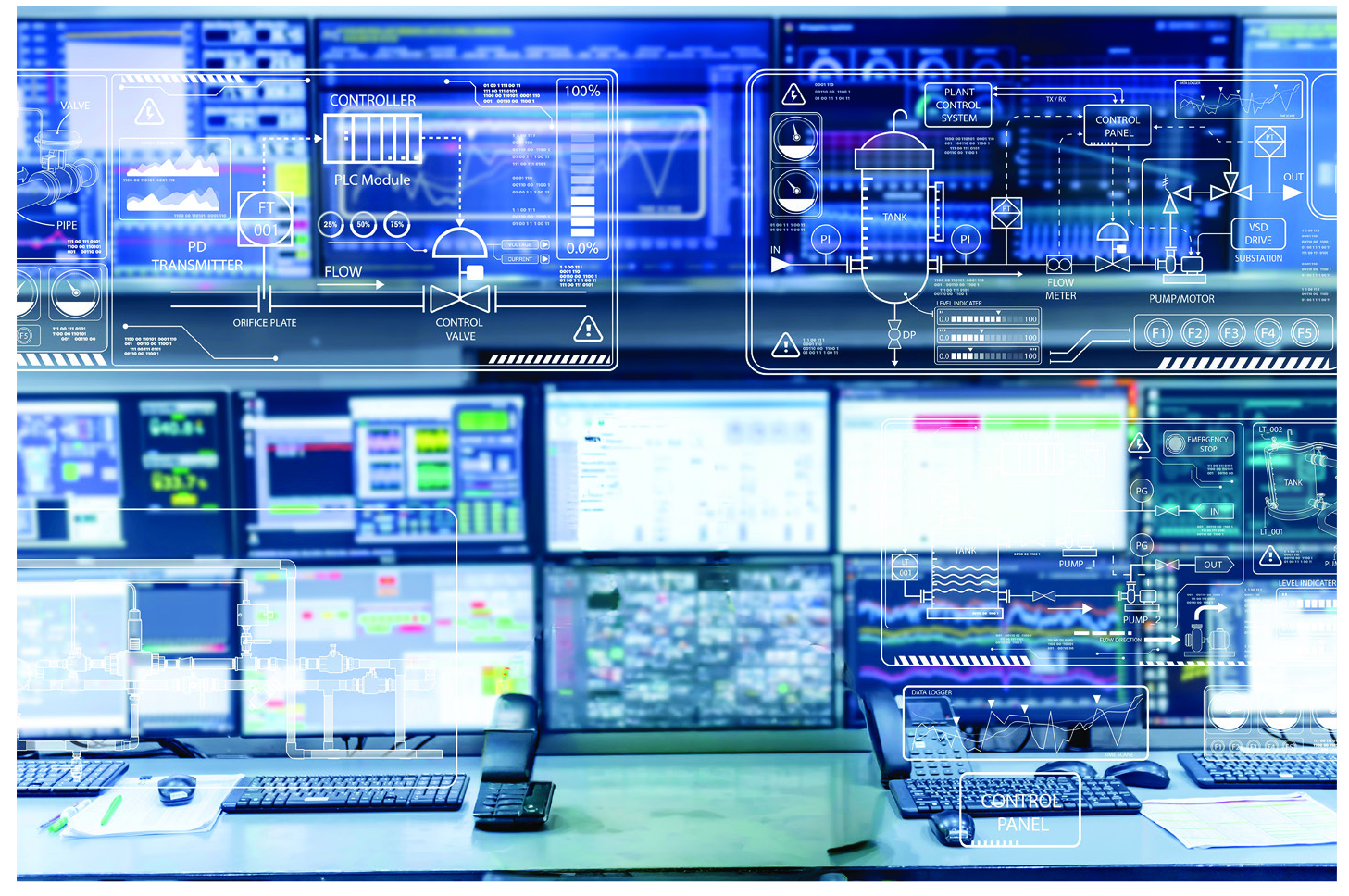
Routine inspection continues to form the backbone of transformer O&M. Utilities need to check for visible signs of damage such as cracks, oil leakage, corrosion, damaged connectors, abnormal smell and loose fittings. Temperature monitoring is equally important because overheating directly affects insulation life. Electrical checks such as grounding integrity and insulation resistance testing remain basic but necessary elements of maintenance practice. Meanwhile, preventive maintenance goes well beyond visual inspection. Regular oil analysis helps utilities assess breakdown voltage, moisture content, acidity and broader oil condition. Breather units and silica gel need periodic attention to ensure that moisture does not enter the tank. Connections at both high-voltage and low-voltage terminals need to be checked for tightness, cleanliness and mechanical integrity, while cooling systems, bushings and other external accessories need to be inspected for contamination and signs of distress. Utilities can reduce the probability of failure by limiting avoidable tap changer use, tracking overvoltage and overloading, and ensuring better coordination between transformer protection and associated feeder systems. What has changed most noticeably over the past year is the growing role of digital monitoring. For instance, BSES Rajdhani Power Limited has deployed a real-time digital twin on part of its distribution network that mirrors substations, feeders, transformers and consumer meters through an integrated dashboard using supervisory control and data acquisition (SCADA), a geographic information system, internet of things sensors and smart meters in Janakpuri, New Delhi. The platform is being used to monitor equipment health, simulate contingencies, detect abnormal loading and reduce outage duration. This kind of deployment points to the next phase of transformer O&M, in which digital visibility supports preventive action rather than simply post-fault response.
Challenges and the way forward
Despite the positive momentum, transformer O&M remains constrained by several bottlenecks. Failure rates in the distribution segment remain high, reporting is uneven, and many utilities continue to struggle with overloading, unbalanced loading and weak repair practices. At the same time, rapid digitalisation creates new vulnerabilities. The Draft National Electricity Policy 2026 places explicit emphasis on strengthening grid resilience in a way that can support large-scale renewable energy, flexible operation, and cybersecurity. As more transformers are brought into digitally connected networks, the operating model will become more sophisticated as well as more dependent on communication systems, software, protocols, trained personnel and cyber hygiene. While core principles of inspection, preventive maintenance, oil testing and condition monitoring remain valid, the sector is evolving towards a broader reliability architecture built around standardisation, digital monitoring and stronger failure reporting. Utilities also face execution and supply-side constraints that affect transformer reliability over the long term. Poor handling during transportation, storage, erection and commissioning can reduce equipment life even before the asset enters full service.
Going forward, the sector’s ability to improve transformer performance will depend on how effectively utilities combine conventional maintenance discipline with newer digital and institutional capabilities. At the same time, wider deployment of online monitoring systems, digital twins and analytics-based asset management will be critical for identifying incipient faults, reducing outage risks and extending asset life. This must be supported by better reporting of failures, stronger quality control across the supply chain, improved handling during transportation and commissioning, and greater attention to cybersecurity as transformer fleets become more connected. Ultimately, as transformer networks become larger and more strategic, O&M will play a central role in ensuring that capacity addition translates into dependable and efficient power delivery.