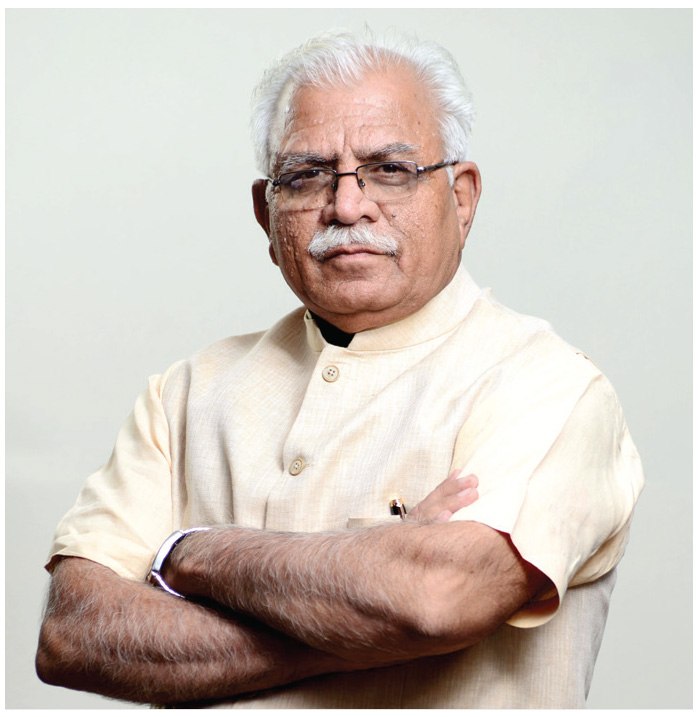
 Speaking at the 12th India Energy Storage Week 2026, organised by the India Energy Storage Alliance, Manohar Lal, Union Minister for Power, highlighted the growing importance of energy storage in India’s power sector. He discussed the sector’s expansion over the past decade, the increasing share of renewable energy and the need to develop storage solutions to ensure reliable electricity supply. He also emphasised the importance of expanding domestic manufacturing, advancing research and development, and strengthening collaboration across the energy ecosystem to support the future growth of the storage sector. Edited excerpts…
India’s power sector has expanded significantly over the past decade. Installed generation capacity has increased from 249 GW in 2014 to about 540 GW today. Electricity demand has also grown steadily during this period. The country recorded a peak demand of about 271 GW this year and is preparing to meet around 300 GW in 2026-27. Demand is expected to continue rising as data centres, artificial intelligence applications and electric vehicles become more widespread. At the same time, the generation mix has changed. Non-fossil installed capacity has increased from 81 GW to 291 GW over the past 12 years. Solar power has been a major contributor to this growth. Installed solar capacity has increased from just 3 GW to 157 GW, representing a nearly 50-fold increase over this period.
This growth in renewable energy is changing the way the power system operates. Renewable generation depends on the availability of natural resources and may not always coincide with periods of high electricity demand. Solar generation is available only during the day, while electricity demand is generally higher in the morning and evening. As the share of renewable energy increases, balancing supply and demand becomes more difficult. Consumers, meanwhile, need reliable electricity throughout the day. This has increased the importance of energy storage in the power sector. Storage helps bridge this gap by shifting renewable electricity from periods of generation to periods of higher demand. This supports round-the-clock electricity supply and allows greater use of renewable energy.
To meet this requirement, India is expanding both battery energy storage systems (BESS) and pumped storage projects (PSPs). Although pumped storage has existed in India for many decades, its importance has increased significantly in recent years. Earlier, when the power system was largely dependent on thermal power, hydropower, gas and other conventional sources, the role of storage was limited. However, the rapid growth of renewable energy has made storage an important requirement for ensuring reliable electricity supply. The need for storage is also becoming more evident as solar capacity continues to expand. Solar power generation has increased significantly, but daytime electricity consumption has not increased at the same pace. As a result, greater use of storage will be required to shift electricity generated to periods when demand is higher.
The growing focus on energy storage is also linked to India’s climate commitments. Under its Nationally Determined Contributions, the country has committed to achieving net zero emissions by 2070. The transition towards net zero will require greater reliance on non-fossil sources such as solar, wind, hydropower and nuclear energy. However, increasing renewable energy capacity alone will not be sufficient. Since renewable generation varies with availability, energy storage will play an important role in ensuring that clean energy can be utilised according to demand requirements.
Additionally, every source of electricity has its own limitations. Thermal power has historically been a major source of electricity generation, but its expansion faces environmental considerations. Hydropower depends on water availability and suitable geographical conditions, while wind power can only be developed in locations with adequate wind resources. Solar energy has significant potential, but its generation is limited to daylight hours. As solar capacity continues to increase, storage will become increasingly important for extending the use of renewable electricity beyond the hours of generation.
Along with expanding storage, India is also looking at ways to improve renewable energy utilisation through stronger grid connectivity. The concept of “One Sun, One World, One Grid” focuses on using solar energy generated in different parts of the world at different times. The idea is that electricity generated during daylight hours in one region can be transmitted to another region where solar generation is not available. This would allow countries across different time zones to utilise renewable energy more effectively.
Developing such connectivity will require large transmission infrastructure. India is examining several long-distance transmission corridors to increase electricity trade with neighbouring countries and other regions. One proposal involves an approximately 1,600 km transmission link between India and the UAE, with an estimated investment of around Rs 400 billion. India is also working towards electricity connectivity with countries such as Sri Lanka and Singapore, and exploring possibilities beyond these regions. In the future, an east-west transmission corridor could enable electricity exchange with other regions, including Europe. Such connectivity would allow renewable electricity to be shared between regions depending on differences in solar generation availability.
The transition towards clean energy also has implications for global trade. Some countries are introducing requirements that products should be manufactured using clean and green energy. As the importance of renewable energy increases globally, expanding clean energy generation, storage capacity and transmission infrastructure will become increasingly important not only for India’s long-term energy objectives but also its economic competitiveness.
The development of energy storage has also created a wider industrial value chain, encompassing materials, critical minerals, recycling, research and development, manufacturing and grid services. As this sector progresses, industries across this value chain will need to strengthen their capabilities and advance technologically. Building domestic capabilities across this value chain will also be important.
Several products used in the renewable energy and storage sectors, including solar cells, batteries and containers, are currently imported. Increasing domestic production of these products has therefore become an important priority. This aligns with the government’s “Vocal for Local” and “Make in India” initiatives. While domestic manufacturing may involve higher costs initially, reducing dependence on imports and increasing local production can help strengthen India’s industrial base and reduce reliance on external sources.
Recent geopolitical developments have highlighted the importance of building domestic capabilities. Global crises, including developments in West Asia and tensions involving the US and Iran, have affected energy markets, particularly oil and gas, and created uncertainty. Countries that depend heavily on imports remain exposed to supply disruptions and price volatility. India has managed these challenges without major disruptions, but continued geopolitical uncertainty highlights the need to reduce external dependence. Strengthening domestic capabilities across the power, petroleum and natural gas sectors will improve long-term energy security and reduce vulnerability to future shocks.
Government policies and regulatory reforms have also supported the development of renewable energy and storage. The waiver of interstate transmission system charges was introduced to promote renewable energy. Standardised bidding guidelines have been developed to provide a structured framework for renewable energy procurement. The Green Energy Open Access Rules have been introduced to facilitate access to renewable power. Time-of-day tariff reforms have also been implemented to benefit both consumers and generators. Along with these measures, electricity markets and open access mechanisms have been developed to provide power producers with access to markets for selling electricity.
Overall, India’s power sector has made significant progress over the past decade, but considerable work remains. Electricity demand will continue to increase, creating the need for reliable, affordable and clean power. Meeting this requirement will require continued progress in renewable energy, energy storage, transmission infrastructure, technology development and domestic manufacturing. Stronger collaboration between governments, businesses and research institutions can support the exchange of knowledge, technology and experience. Greater engagement with the global community will also remain important as India continues to strengthen its position in the evolving global energy sector.