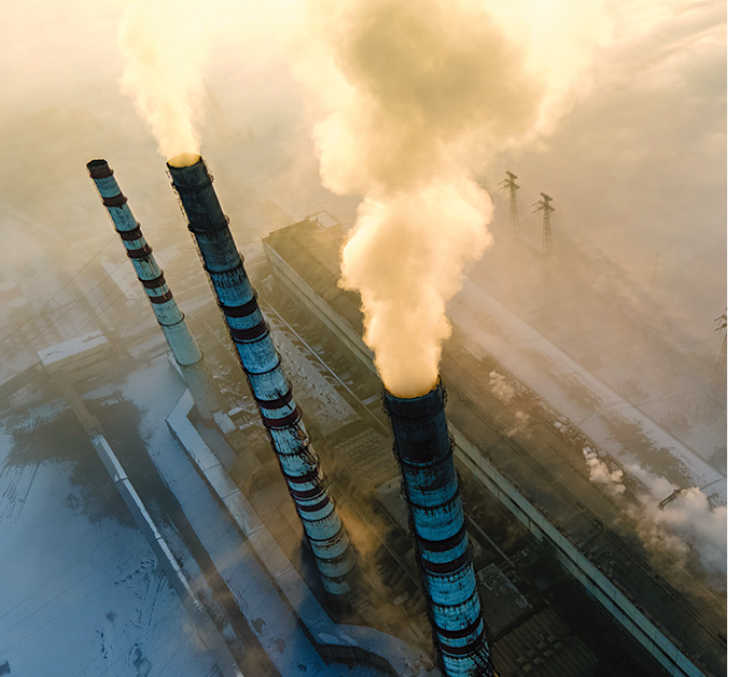
 Power generation through thermal energy sources significantly contributes to the total power generation in India. It is responsible for high emissions released into the atmosphere, which include particulate matter (PM), sulphur dioxides (SO2), nitrogen oxides (NOx) and carbon dioxide (CO2). The use of poor quality coal with high sulphur and ash content, as well as old thermal power plants (TPPs) operating without modernised technology for reducing and monitoring emissions from boilers, is one of the key reasons for high emissions from plants.
In December 2015, the Ministry of Environment, Forest and Climate Change (MoEFCC) issued the revised emission norms for PM, SO2 and oxides of nitrogen for TPPs. Previously, TPPs were required to install emission control systems by December 2017. However, the deadline has been extended several times. Recently, in September 2022, the MoEFCC extended the deadlines for TPPs to reduce sulphur emissions by an additional two years. Depending on their location, TPPs now have until December 2026 to comply with the emission norms.
SO2
Controlling sulphur emissions from boilers is a crucial aspect of mitigating air pollution and meeting environmental regulations. The sulphur content in coal varies depending on the type and source of the coal. In TPPs, coal is pulverised and burned in boilers to produce high pressure steam. The sulphur content in the coal then reacts with the oxygen to emit SO2.
Flue gas desulphurisation (FGD) has been deployed by power plants to control these emissions by reacting flue gas with a slurry of finely ground limestone (calcium carbonate) or lime (calcium oxide) in an absorber. After this, the slurry (calcium sulphite) is then oxidised to form gypsum (calcium sulphate dihydrate). Gypsum is a solid by-product that can be used in various industrial applications and disposed of safely. India currently has coal- and lignite-based plants with a total capacity of 213,666 MW, yet only 24 units have been equipped with FGD systems. Wet FGD, the most widely deployed solution in the country, employs the wet limestone forced oxidation process where sulphur dioxide is dissolved in water, which then forms calcium sulphite as a result of its reaction with alkaline slurry.
Another method is dry sorbent injection, which involves injecting dry alkaline sorbents, such as hydrated lime or sodium bicarbonate, directly into the flue gas stream. These sorbents react with sulphur dioxide to form solid by-products that can be removed using particulate control devices.
NOx
Nitrogen oxides, produced when fuel is burned in the air, along with any nitrogen component in the fuel, are the main pollutants generated by gas turbines. A standard gas turbine’s NOx emission is highly dependent on the fuel type and turbine firing temperature.
Modifying combustion parameters, such as fuel staging and burner tilt, can impact the combustion process, and optimising these parameters can lead to lower peak flame temperatures and reduced NOx formation. Combined cycle power plants, which integrate gas and steam turbines, generally have lower NOx emissions compared to traditional coal-fired plants. Overfire air involves introducing additional air above the combustion zone to lower flame temperature and reduce oxygen concentration, thereby minimising NOx formation. The conventional technique of reducing NOx emissions through water or steam injection faces limitations in achieving extremely low levels. With this technique, NOx levels in natural gas-fuelled multi-nozzle combustors can be reduced to as low as 25 parts per million.
Selective catalytic reduction (SCR) and selective non-catalytic reduction (SNCR) are post-combustion technologies where the former involves injecting ammonia into the flue gas stream. In the presence of a catalyst, NOx reacts with ammonia to form nitrogen and water. SCR is highly effective in reducing NOx emissions, particularly in coal-fired power plants. In SNCR, the ammonia or urea is injected directly into the combustion zone without a catalyst. The injected reagent reacts with nitrogen oxides at high temperatures, forming nitrogen and water. SNCR is effective for reducing NOx emissions, but its performance may vary with operating conditions.
Recently, Bharat Heavy Electricals Limited completed the manufacturing of India’s first set of catalysts for SCR to reduce NOx emissions from TPPs along with the installation of a state-of-the-art SCR catalyst manufacturing facility at its solar business division. State generation corporations of Maharashtra, Telangana and West Bengal have placed orders for SCR technology, recognising the long-term severe effects of NOx.
Particulate matter control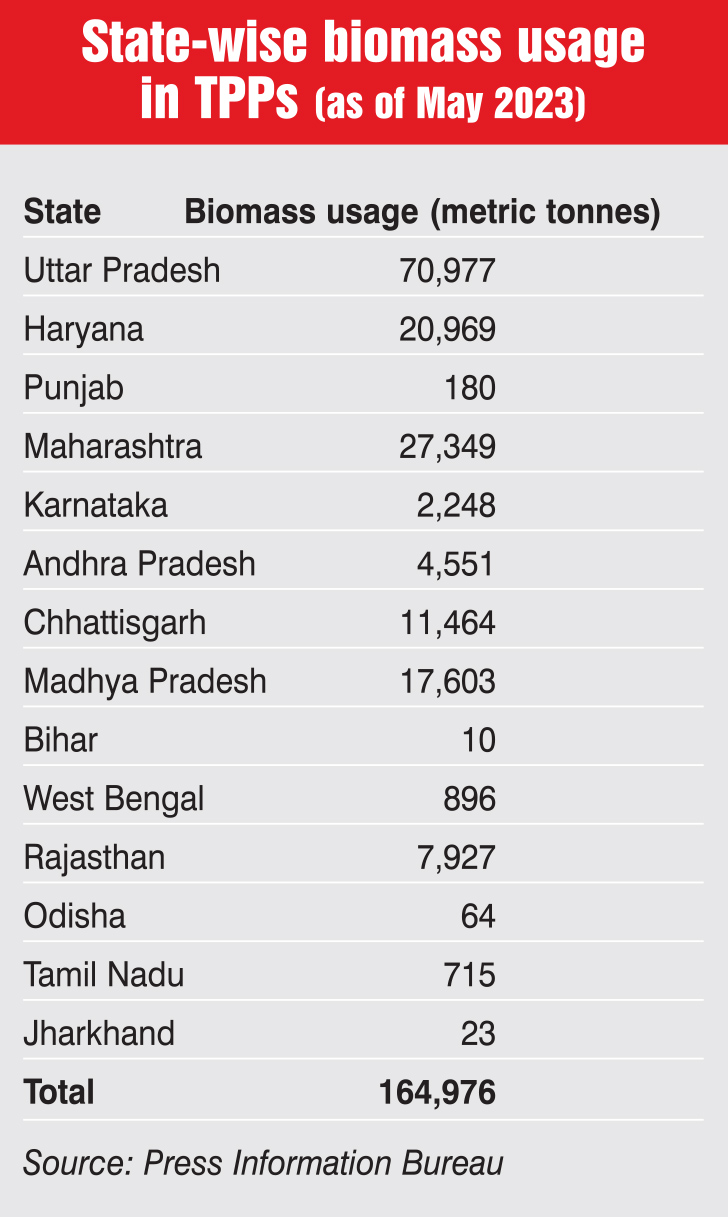
Fly ash is a residual material generated after coal combustion, accounting for the majority of PM, that is, around 26 per cent of PM10 and PM2.5. As temperatures increase, fly ash dries out and becomes airborne, producing fugitive emissions. Fly ash poisons the air and water because it contains heavy metals and other harmful substances.
Electrostatic precipitators (ESPs) remove fine particles from flue gases produced during combustion processes to reduce PM emissions into the atmosphere with the principle of electrostatic attraction. In ESPs, charged particles are attracted to and collected on grounded plates or electrodes with high voltages, forming a layer of dust on the collecting surfaces. Fabric filters or baghouses, on the other hand, operate on the principle of physical filtration, using porous fabric bags to capture particles from the flue gas stream.
Coal burning techniques can play a crucial role in determining the amount of pollutants released. Combustion techniques, such as pulverising coal, can produce higher levels of particulate matter emissions, whereas natural gas combustions, fluidised bed combustion and combined cycle power plants can have lower emission levels.
Mitigating carbon emissions
- Biomass co-firing in boilers: The mandate for biomass utilisation in power generation, specifically through co-firing in domestic coal-based power plants using agro-residue-based biomass, was issued on October 8, 2021. This directive requires the co-firing of biomass along with coal in TPPs. The boiler in the plant requires modifications, including the addition of a separate biomass feed injection, to optimise combustion conditions and thermal performance. Retrofitting burners, modifying grates and adjusting the fuel blending and handling systems are a few necessary changes required for biomass co-firing to ensure proper combustion. NTPC Limited has conducted successful experiments at its coal-based TPP in Dadri which showed that 5-10 per cent of biomass pellets can be co-fired alongside coal in the furnace without any harmful impact on the plant. As of May 2023, TPPs have utilised a total of 164,976 mt of biomass, with Uttar Pradesh accounting for the highest share at 70,977 mt.
- Carbon capture technology: Carbon capture, utilisation and storage, or CCUS, is an important emissions reduction technology that can be applied in both the industrial sector and power generation. NTPC has installed carbon capture technology, manufactured by UK-based Carbon Clean and Green Power International Private Limited, for its 500 MW unit at the Vindhyachal Super Thermal Power Station. The technology extrapolates 20 tonnes of carbon dioxide per day from the flue gas using a modified tertiary amine. Carbon Clean’s technology uses the company’s patented solvent, process equipment design and enhanced heat integration to lower operational and capital costs.
- PAT scheme: The Perform, Achieve and Trade scheme, developed by the MoP, mandates 226 TPPs, with a combined capacity of 197 GW, to minimise their net heat rate over a three-year cycle. This can reduce coal consumption and lower carbon emissions. As of 2020-21, energy savings from these TPPs amount to approximately 7.21 million tonnes of oil equivalent (mtoe), which is equivalent to an emissions reduction of about 27.51 mt of CO2.
- Adoption of advanced boiler technology: The adoption of ultra-supercritical/supercritical and subcritical technologies has reduced emissions and increased energy efficiency. As of October 31, 2023, a total capacity of 63,830 MW for supercritical units and 2,120 MW for ultra-supercritical units has been commissioned.
- Retirement of old units: From January 2018 to October 15, 2023, a total capacity of about 8,059.92 MW, comprising 99 units of inefficient and old thermal power generation units, has been retired.
Monitoring emissions
TPPs have been deploying monitoring systems with sensors for analysing SOx, NOx and PM emissions. Technologies such as continuous emission monitoring systems, manual stack sampling, ambient air quality monitoring, dust monitoring and remote sensing have allowed power generation plants to strictly follow environmental regulations and norms set by authorities. These systems provide real-time data on emission levels, enabling plant operators to take immediate corrective actions if emissions exceed permissible limits.
Overall, the timely identification of issues enables prompt maintenance and repairs, preventing prolonged periods of excessive emissions. Continuous monitoring helps power plants remain compliant with emission standards set by regulatory authorities and facilitates the early detection of equipment malfunctions or abnormal emissions. By leveraging data-driven insights, power plant operators can implement targeted strategies and adopt cleaner technologies.